
Explore the World of Sharks
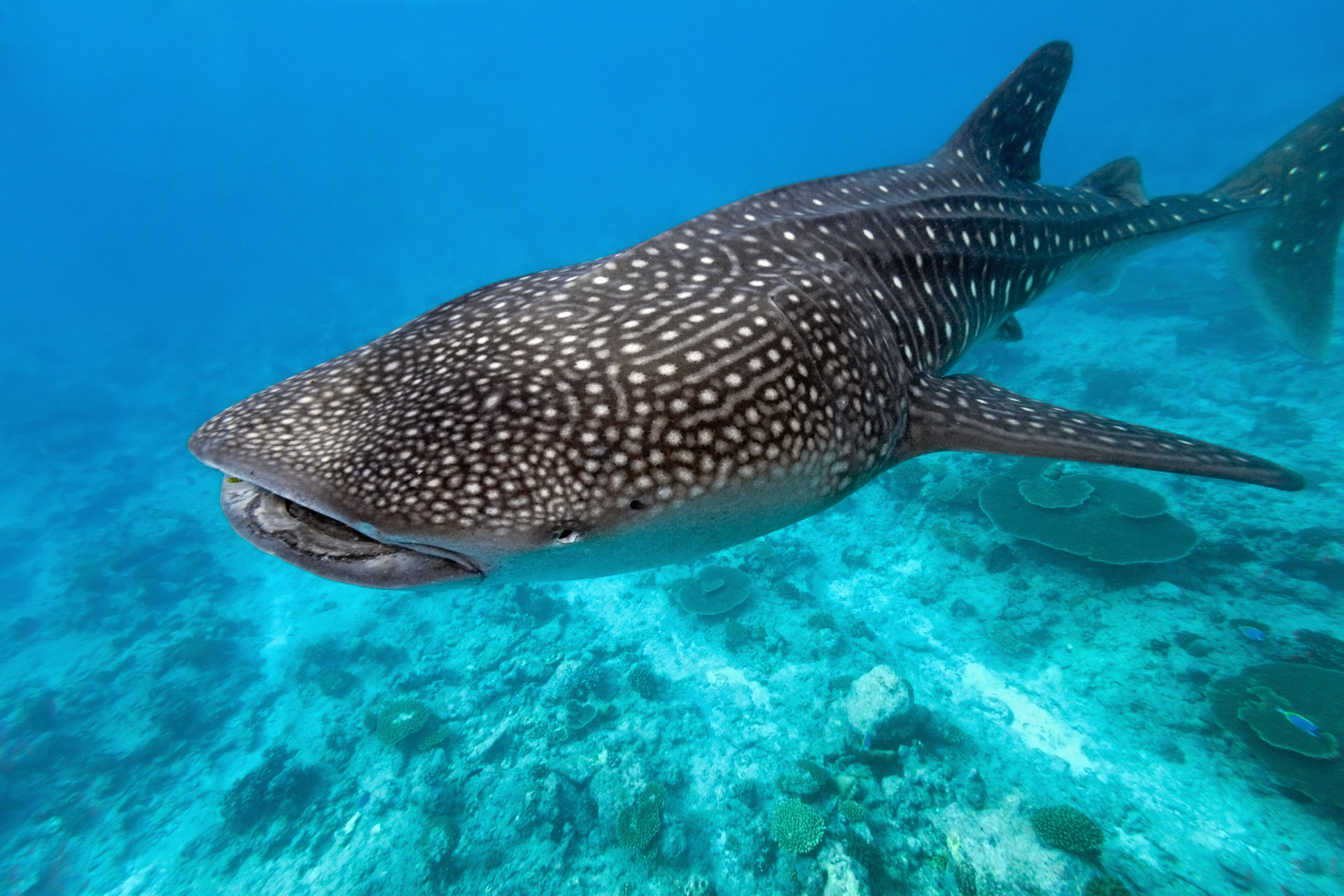
Sharks are some of the most amazing animals in the ocean. Discover what makes a shark a shark, meet the major groups of sharks, travel back through hundreds of millions of years of shark history, explore where sharks live and what they do, and uncover some of their incredible adaptations. From enormous Whale Sharks to strange Sawsharks and glowing deep-sea sharks, there is a whole world of sharks waiting to be explored.
Animals for Kids
Explore Animals from Around the World
There is an amazing world of wildlife for kids to discover. Animals live almost everywhere on Earth, from deep oceans and tropical forests to deserts, mountains, grasslands, and polar regions.
WildE Planet Kids explores animals through questions young wildlife explorers might ask. What kind of animal is it? Where does it live? What does it eat? How does it behave? What special adaptations help it survive?
Along the way, kids can discover endangered species, learn about the challenges wildlife faces, and explore how people are working to protect animals and their habitats.
What Can Kids Explore?
- Animal Groups and Species — Discover different kinds of animals and what makes each group unique.
- Habitats Around the World — Explore the places animals live, from oceans and forests to deserts and polar regions.
- Animal Behavior — Learn how animals move, communicate, hunt, feed, migrate, and raise their young.
- Adaptations and Survival — Discover the special traits and behaviors that help animals survive.
- Endangered Species — Learn about animals facing serious threats in the wild.
- Wildlife Conservation — Explore the ways people study and protect animals and their habitats.
Why Learn About Wildlife?
Learning about wildlife helps kids understand the natural world and the animals that share our planet. The more we know about animals—how they live, what they need, and the challenges they face—the better we can understand why protecting wildlife and wild places matters.

Reading Level
WildE Planet Animals for Kids content is written at a Grade 4–5 reading level and above. Each learning page includes a vocabulary list with definitions.
Learning Through Words, Images and Video
Wildlife learning can combine reading with photographs, illustrations, vocabulary, video, and activities. These different ways of exploring a subject can help young learners understand new concepts and connect scientific words with the animals, behaviors, and habitats they describe.
“The most important thing environmental education provides for students is passion and interest in learning.” – Dr. Doug Knapp, Indiana University.