
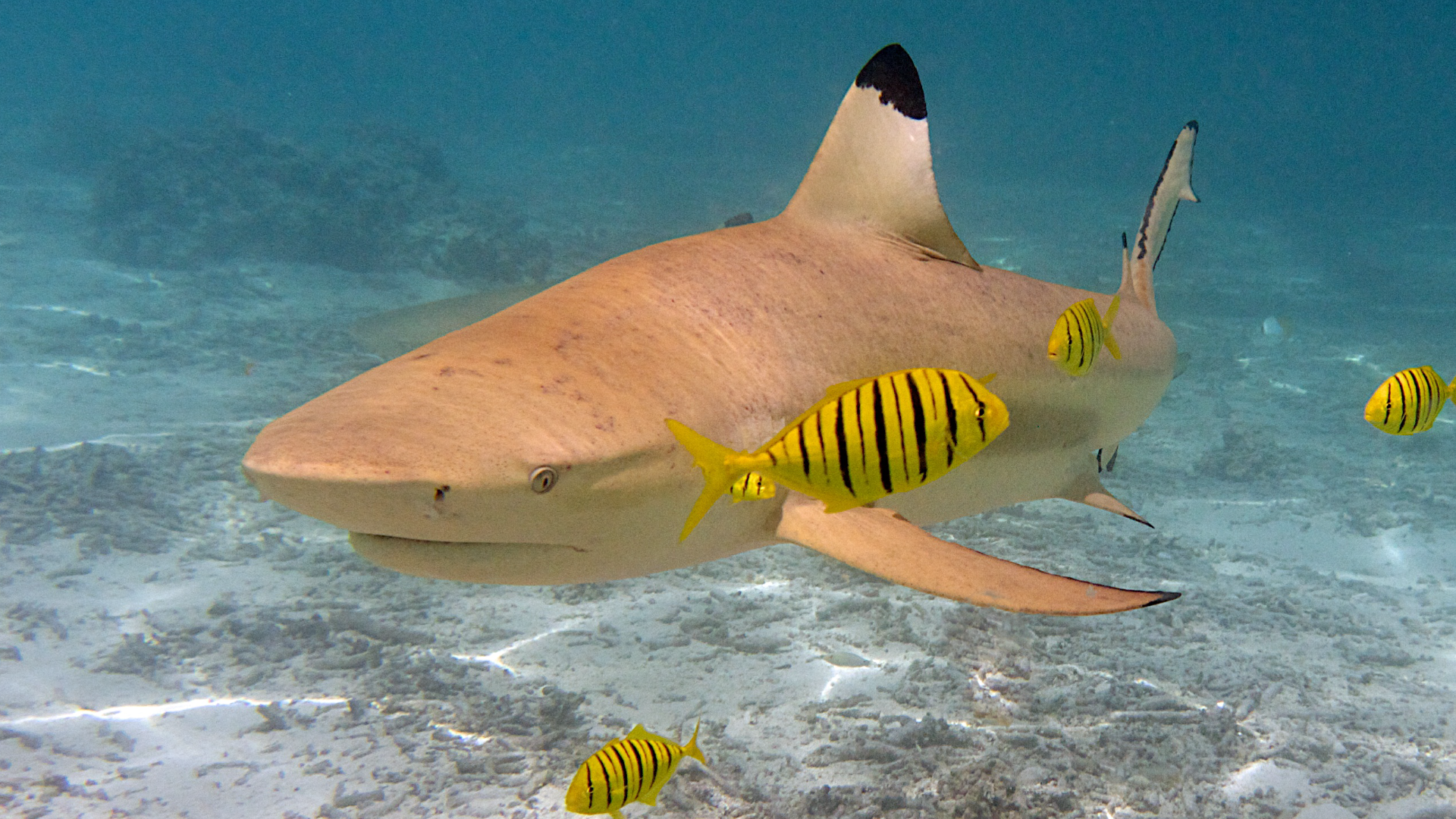
Word Origin
The word fish comes from Old English fisc. Related words appear in several old Germanic languages, showing that people have used this term for a very long time.
Over centuries, the word remained fairly stable, which is not true for every animal name. That tells us fish were familiar, important animals in daily life, especially for food, trade, and survival.
Today, the word is used broadly in everyday speech, although scientists divide fish into several major groups rather than treating them as one single natural branch in exactly the same way people often imagine.
Scientific Name
There is no single scientific name for all fish. The term fish refers to several aquatic groups of vertebrates, including jawless fish, cartilaginous fish, and bony fish.
Class
Fish do not belong to just one class. Most living fish are placed within several major groups, especially Agnatha, Chondrichthyes, and Osteichthyes.
Species
There are approximately 34,000 – 36,000 different species of fish. Here is a breakout of the estimated number of species in some of the major fish groups:
- Ray-finned fish (Class: Actinopterygii) – 30,000+ species
- Cartilaginous fish (Class: Chondrichthyes) – 1,200 species (sharks, rays, skates)
- Lobe-finned fish (Class: Sarcopterygii) – 8 species (coelacanths and lungfish)
Many fish species remain undiscovered, particularly in deep ocean environments and remote freshwater systems, and new species are described each year.
Conservation Status
Fish do not share one single conservation status because there are tens of thousands of species, and their situations vary widely. Some species remain common and widespread, while others are threatened by overfishing, habitat destruction, pollution, dams, warming waters, and ocean acidification.
Freshwater fish are often under especially heavy pressure because rivers and lakes are closely affected by human activity. Changes in water flow, sediment, temperature, and water quality can quickly reduce fish populations, even in places where fish were once abundant.
Marine fish face different but equally serious pressures. Industrial fishing, bycatch, coral reef decline, coastal development, and changing ocean conditions can all affect breeding grounds, food sources, and migration routes.
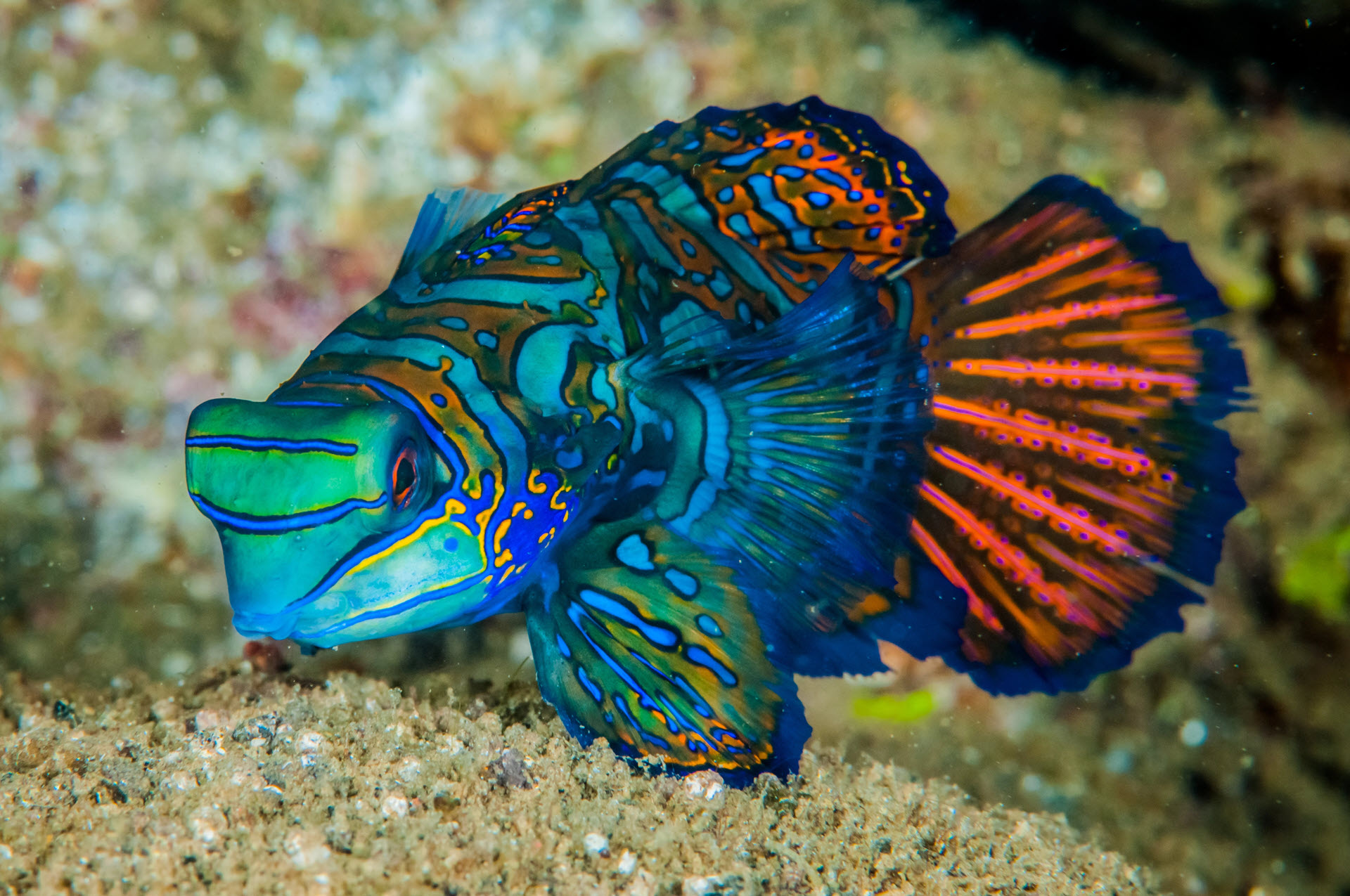
Image: Dragonet
Interesting Fish Facts
- Fish were the earliest vertebrates on Earth.
- Some fish breathe only through gills, while a few can also survive short periods in low-oxygen conditions.
- Seahorses are fish, even though they do not look like the shape many people expect.
- Sharks and rays are fish made of cartilage rather than bone.
- The largest fish in the world is the whale shark.
- Some fish produce light, electricity, sound, or camouflage.
- Certain species migrate thousands of miles between feeding and breeding areas.
- Many fish can detect vibrations and movement in the water through a sensory system called the lateral line.
Types of Fish
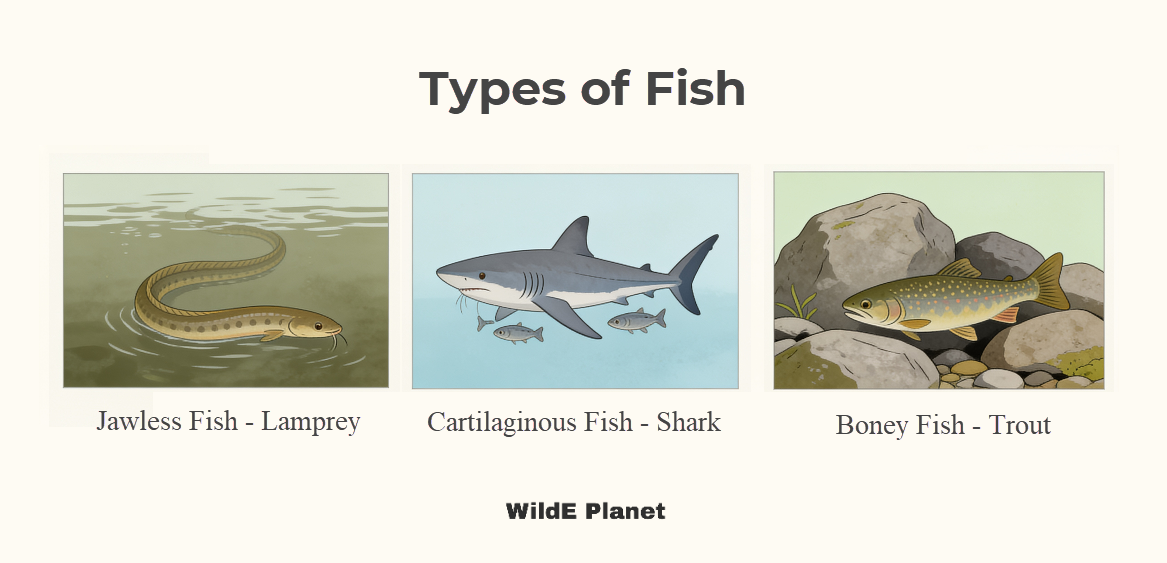
Fish are aquatic animals that breathe using gills and spend their lives in water. Scientists divide fish into three main groups (types of fish) based on the structure of their bodies and skeletons.
1.Jawless Fish
Jawless fish are the oldest and most primitive group of fish. They do not have jaws or paired fins and feed by attaching to other animals or scavenging for food. Examples: Lampreys, Hagfish
2.Cartilaginous Fish
Cartilaginous fish have skeletons made of flexible cartilage instead of bone. Most are strong swimmers and include many of the ocean’s top predators. Examples: Sharks, Rays, Skates
3. Bony Fish
Bony fish are the largest and most diverse group of fish. Their skeletons are made of bone, and they are found in both freshwater and saltwater habitats around the world. Examples: Clownfish, Trout, Salmon, Goldfish
Did You Know? More than 95% of all fish species are bony fish. Scientists have discovered over 36,000 species of fish, making them the largest group of vertebrates on Earth.
Fish Characteristics
Fish are so familiar that many people stop noticing how unusual they really are. We see them in aquariums, markets, lakes, rivers, and oceans, but most of their lives happen in a world humans do not naturally share.
What makes fish especially interesting are the different characteristics they have. Some are long and ribbon-like, some are flat, some are armored, and some are nearly transparent. Even though they live in water, they do not all live the same way or solve the same problems.
The idea of “a fish” sounds simple at first, but the group includes enormous variety. From coral reefs to cold mountain streams, fish are among the most diverse and widespread vertebrates on Earth.
Their bodies show how life changes when it is shaped by water instead of air. Movement, breathing, feeding, protection, and reproduction all work differently in aquatic environments, and fish reflect that in countless ways.
History & Evolution
Long before amphibians, reptiles, birds, or mammals appeared, early fish-like vertebrates were already living in ancient seas. The earliest vertebrate ancestors were small, simple animals, but over time they developed more complex bodies, stronger support structures, and improved ways to move and sense the world around them.
A major change in fish evolution was the development of jaws. Jaws allowed fish to feed in new ways, opening the door to more active hunting, grazing, and competition. That change helped many fish lineages diversify across different habitats.
Another important shift involved skeletons. Some fish developed bodies supported mainly by cartilage, while others developed bony skeletons. Bony fish eventually became the largest and most diverse group, and one branch of them gave rise to the first vertebrates that moved onto land.
In that sense, fish are not just one part of vertebrate history. They are the deep foundation of it.
Fish Physical Characteristics
Life in water shapes the fish body in ways that are both efficient and highly varied. Most fish have streamlined forms that reduce resistance as they swim, but not all fish follow the same pattern. Bottom-dwellers, ambush predators, reef fish, and open-water swimmers often look very different from one another.
Most fish have gills for extracting oxygen from water. Fins help with steering, balance, braking, and propulsion, while scales or skin coverings provide protection. Many species also have swim bladders, sensory systems, or body colors suited to their environment.
One of the most interesting things about fish is that their shape often tells you something about how they live. A fast-moving predator in open water may have a narrow, torpedo-like body, while a fish that hides on the seafloor may be flattened or camouflaged.
Common physical features include:
Fish Habitats
Fish live in almost every aquatic habitat on Earth. They are found in oceans, coral reefs, rivers, streams, lakes, wetlands, estuaries, and even temporary pools in some regions.
Saltwater species may occupy shallow coastlines, deep ocean zones, or reef systems filled with shelter and food. Freshwater fish may live in cold rivers, muddy floodplains, mountain lakes, or quiet ponds.
Some species are extremely specialized and can survive only in narrow environmental conditions. Others are highly adaptable and occur across broad geographic ranges. Water temperature, salinity, oxygen level, depth, and food availability all influence where a fish can live.
Migratory fish make this picture even more complex. Some move between freshwater and saltwater during different life stages, linking separate ecosystems in remarkable ways.
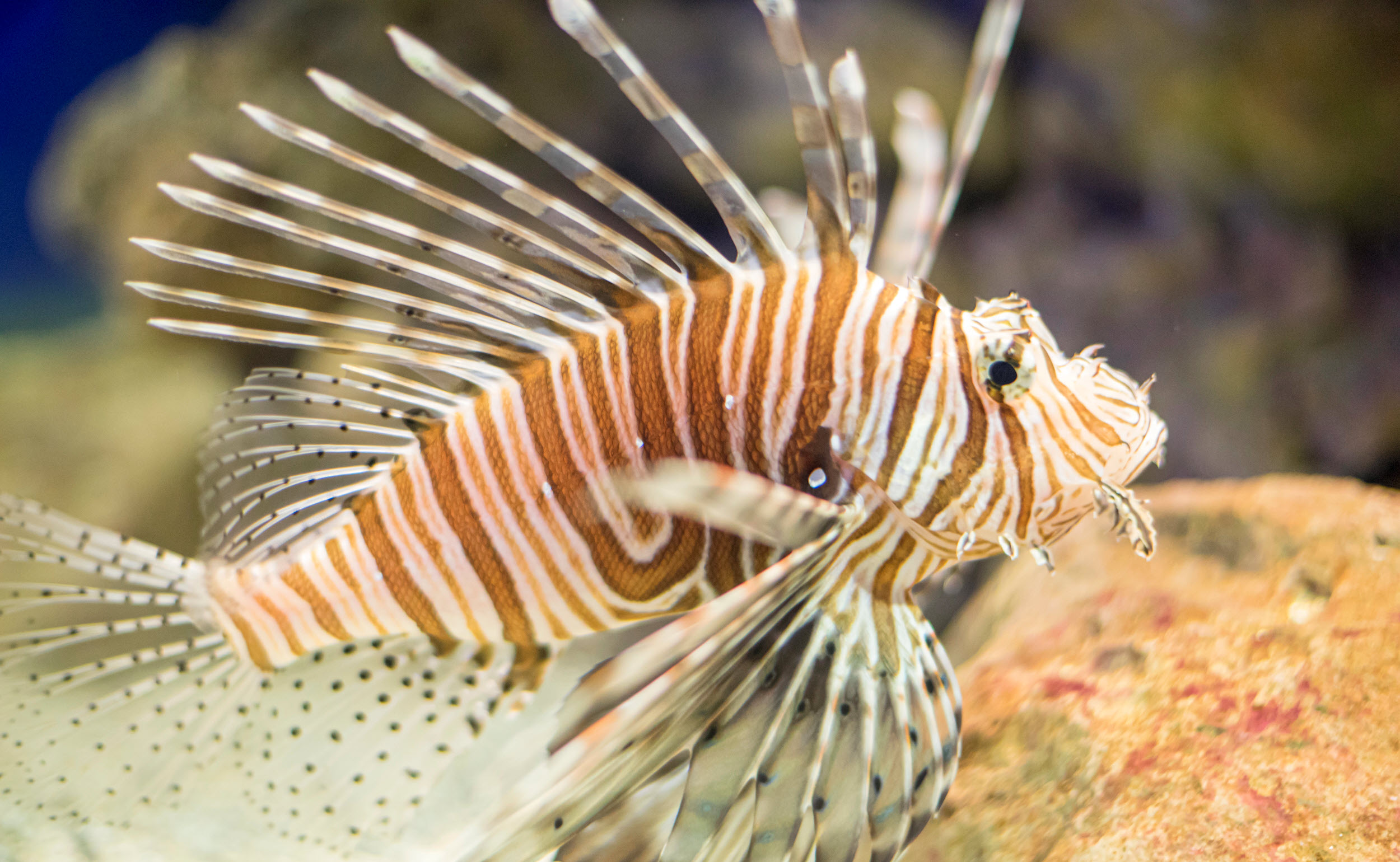
Image: Lionfish
Fish Behavior
Fish behavior is more complex than many people realize. Some species are solitary and spend much of their time hidden or spread far apart, while others move in schools that help them avoid predators and find food.
Many fish are highly responsive to light, water movement, temperature, and seasonal change. Their behavior can shift throughout the day or year depending on feeding, breeding, or migration needs.
Not all fish are constant swimmers. Some hover, some bury themselves in sand, some defend territories, and some stay almost motionless until prey comes close. In many species, behavior is closely tied to the structure of the habitat.
Common behaviors include:
- Schooling for protection and coordination
- Territorial defense
- Seasonal migration
- Courtship displays
- Nest building or egg guarding in some species
- Hiding, camouflage, or ambush hunting
What Fish Eat
Fish diets are extremely varied. Some species eat algae, plankton, or plant material, while others feed on insects, crustaceans, mollusks, smaller fish, or almost anything they can catch.
Feeding style often depends on habitat and body design. A fish with a downward-facing mouth may feed along the bottom, while a surface-feeding fish may take insects or floating material from above.
Predatory fish often have strong jaws, sharp teeth, speed, or stealth. Grazing species may have teeth or mouthparts adapted for scraping algae or filtering small organisms from the water.
Typical fish diets may include:
The Life Cycle of Fish
Most fish begin life as eggs, though not all reproduce in the same way. In many species, eggs are laid in water and fertilized externally, but some fish use internal fertilization, and a few give birth to live young.
After hatching, young fish often pass through larval or juvenile stages before reaching adult size and form. These early stages can be very vulnerable because small fish are easily eaten and may depend on very specific water conditions.
Growth rates vary greatly. Some fish mature quickly and live short lives, while others grow slowly and can live for decades. Reproductive strategy also differs widely, with some species producing enormous numbers of eggs and others investing more care in fewer offspring.
A fish’s life cycle is often closely linked to season, temperature, water level, and food supply. In migratory species, reproduction may depend on reaching a very particular spawning habitat.
Where to See Fish in the Wild
Fish can be seen in many places, though people do not always notice them unless the water is clear or shallow. Ponds, creeks, rivers, lakes, marshes, coastal waters, docks, reefs, and tide pools can all provide opportunities to observe fish.
Public aquariums make it easier to see species that live deep underwater or in distant regions. In the wild, early morning, calm water, and patient observation often improve the chances of seeing them.
You might notice fish:
- Near shorelines or docks
- In streams and rivers
- In wetlands and marshes
- Around reefs and rocky pools
- In aquariums and nature centers
- In clear lakes, ponds, and reservoirs
Role in Nature
Fish are central to aquatic food webs. They may act as predators, grazers, scavengers, filter feeders, or prey for larger animals such as birds, mammals, reptiles, and other fish.
Because they occupy so many levels of the food chain, fish help move energy through aquatic systems. They can influence algae growth, insect populations, nutrient cycling, and the balance between predator and prey.
In some ecosystems, fish also connect habitats. Migratory species carry nutrients between rivers and oceans, while reef fish help maintain the health and structure of coral communities through grazing or predation.
When fish populations decline, the effects can spread through the entire ecosystem. That is one reason fish matter far beyond their role as food for humans.
Unique Fish Traits
Water creates different problems than land, and fish have evolved some remarkable solutions. Many species can sense changes in pressure and movement through the lateral line, giving them a kind of environmental awareness that is hard for humans to imagine.
Some fish can change color, produce electric fields, glow in darkness, inflate their bodies, cling to rocks, or survive in extreme cold or low-oxygen water. Others move in tightly coordinated schools that behave almost like a single living shape.
One especially striking insight is that fish are not simply “primitive” animals. Many are highly specialized, finely tuned organisms whose bodies and senses are exactly matched to a particular part of the aquatic world.
Unique qualities include:
- Sensory organs that detect movement, vibration, and pressure.
- Camouflage and rapid color change
- Bioluminescence in deep-sea species
- Electric sensing or electric discharge in some species
- Specialized mouths for scraping, filtering, biting, or suction feeding
- Long-distance migration
- Highly efficient swimming forms
Related Animals
Fish are related to all other vertebrates, including amphibians, reptiles, birds, and mammals, because these groups share deep evolutionary ancestry. In a broad sense, fish represent the earlier vertebrate lines from which later land vertebrates eventually emerged.
Fish Conservation
Fish face a wide range of conservation pressures, and the exact threats depend on whether they live in freshwater or marine environments. Overfishing is one of the most widely recognized problems, especially in oceans where large commercial harvests can reduce populations faster than they recover.
Freshwater species often suffer from habitat fragmentation, dams, pollution, sediment runoff, and water withdrawal. Because rivers and lakes are directly shaped by human land use, many freshwater fish are under serious strain even when the public is not aware of it.
Climate change adds another layer of difficulty. Warmer waters can hold less oxygen, alter migration timing, damage coral reefs, and shift where species can survive. Ocean acidification and extreme weather can also change aquatic habitats in lasting ways.
Conservation responses may include:
- Fishing regulations and catch limits
- Habitat restoration
- Dam removal or fish passage systems
- Water quality protection
- Protected marine areas
- Monitoring and recovery plans for threatened species
- Public education about sustainable fishing and aquatic ecosystems
Sources
- National Oceanic and Atmospheric Administration (NOAA)
- U.S. Geological Survey (USGS)
- Smithsonian Ocean
- University of Michigan Animal Diversity Web