Wildlife & Art
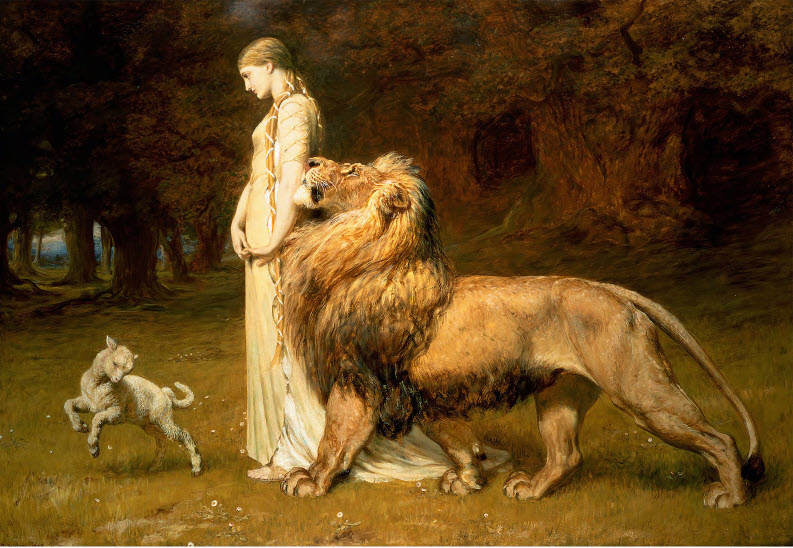
Animals have been depicted in art for thousands of years. Long before photography or film, people used drawing, painting, and carving to record what they saw in the natural world. Some of the earliest examples—cave paintings—show animals with careful attention to shape and movement. While their exact purpose isn’t fully known, they reflect close observation and an awareness of animal behavior.
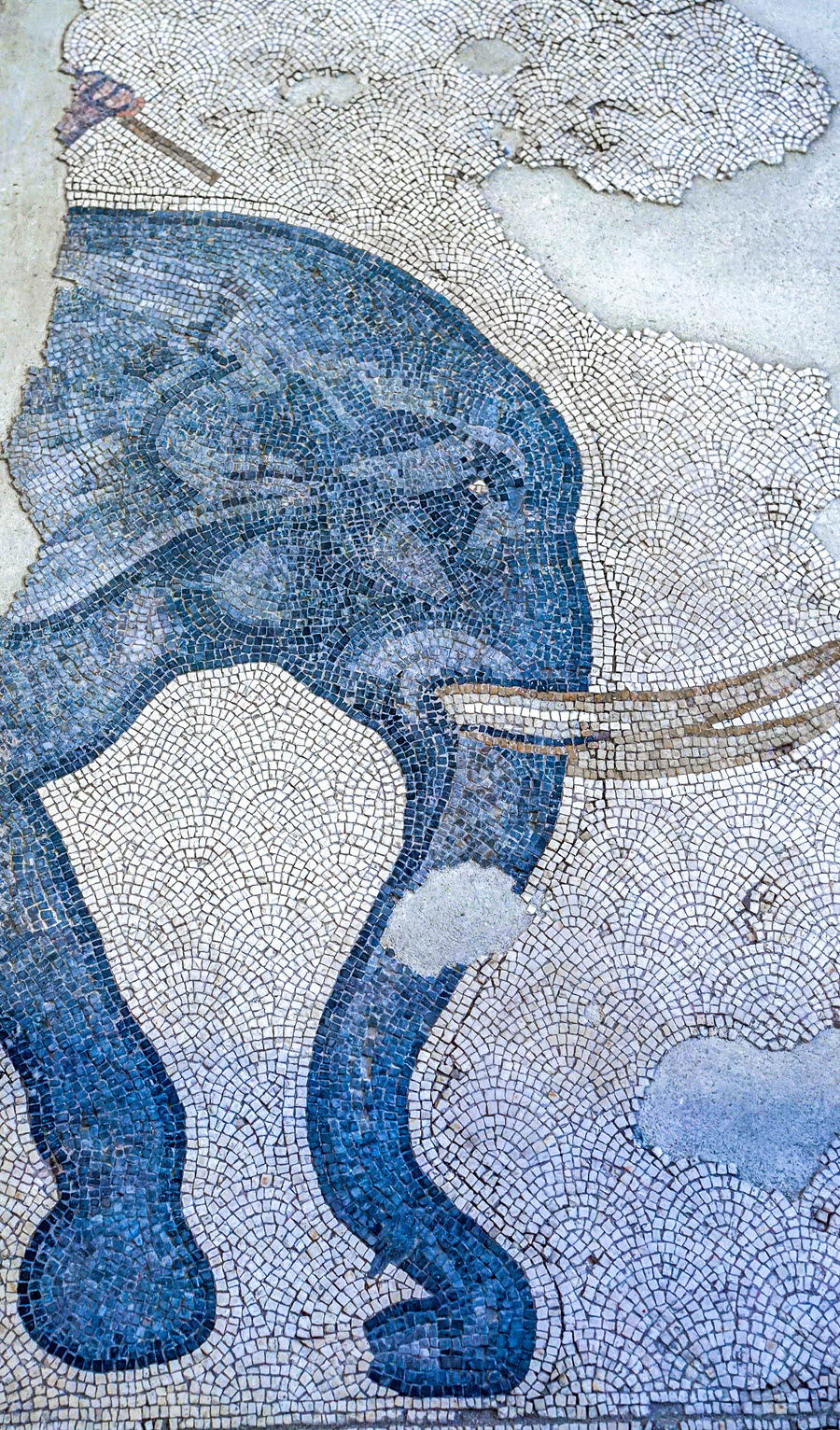
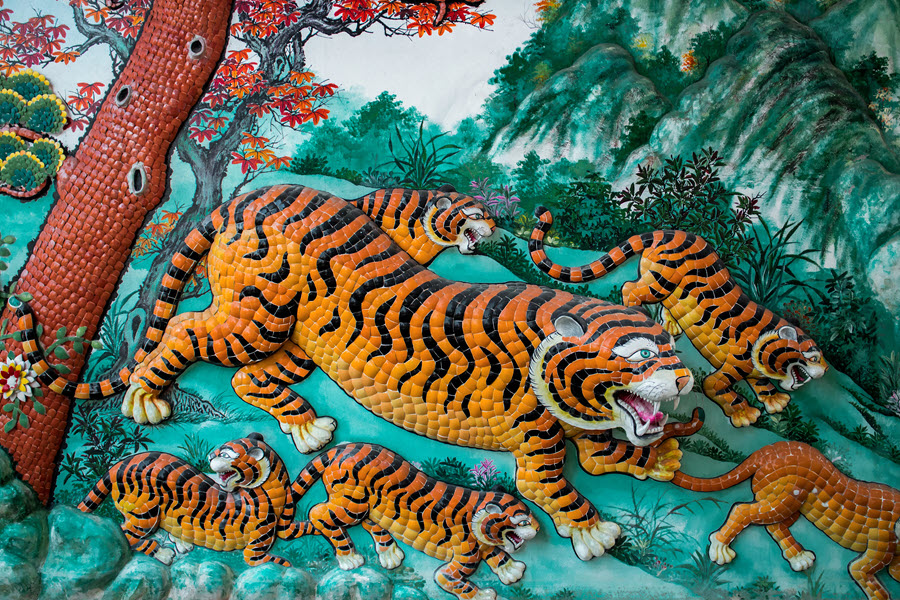
Over time, animals appeared in many different forms of art. They were carved into wood and stone, woven into textiles, stitched into clothing, and built into mosaics and architecture. In many cultures, animals were also part of religious objects and symbolic imagery, representing ideas about strength, survival, and the natural world.
These works were not only decorative. They reflected how people understood the world around them—and the animals that inhabited it. Creating these images required attention to detail, and in many cases, became a way of studying animal form, movement, and behavior.
In that sense, art became another way of learning about different species
We use art in the same way—to observe, interpret, and better understand wildlife.
It sits alongside our written content and learning materials, offering another perspective on the animals that share our world.