Overview
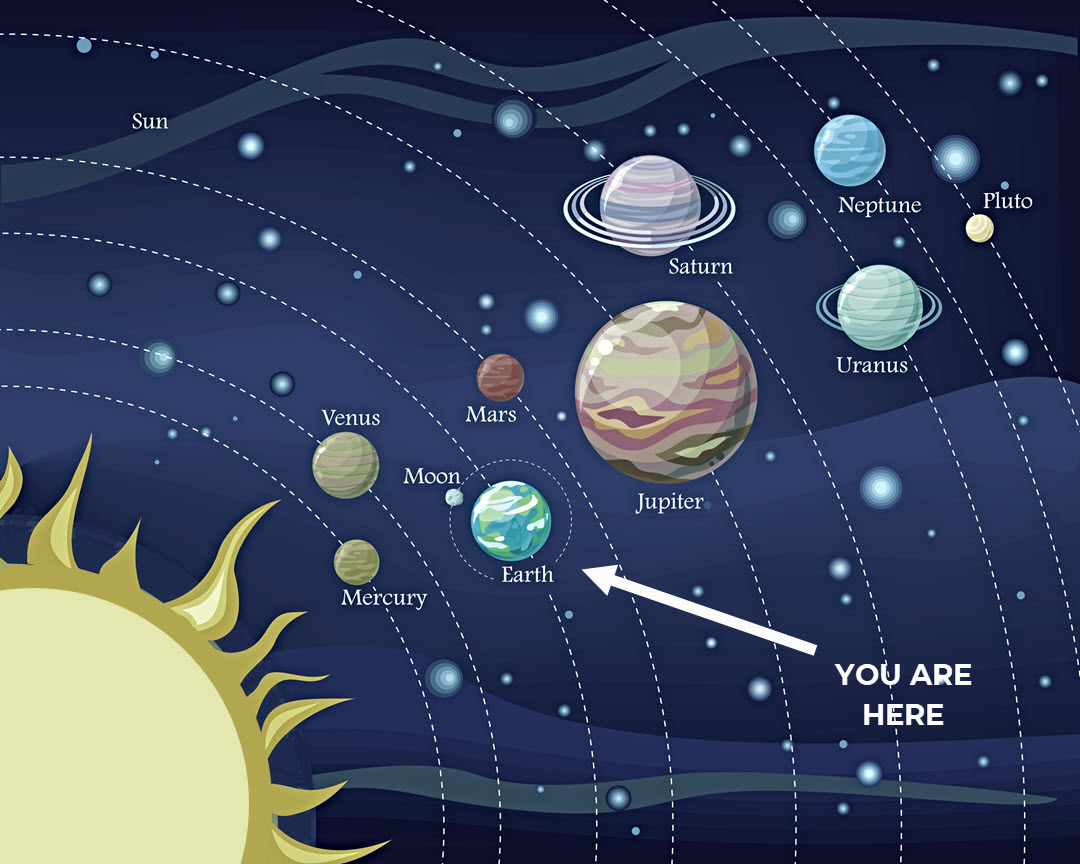
Earth is the only place we know that supports life, but most of what happens on this planet is easy to overlook. From the ground beneath our feet to the atmosphere above us, Earth is constantly evolving in ways that shape every living thing.
Over billions of years, Earth’s surface, atmosphere (a protective layer of gases that surround the planet, held in place by gravity), and oceans changed dramatically. These changes created the conditions that allowed life to develop and become the enormous diversity of plants, animals, and ecosystems that exist today.
Scientists study Earth’s history through geology, fossils, and the rock record.
How Earth Formed
Earth formed during the early history of the solar system. Small particles of rock and metal collided and gradually combined into larger bodies. Over time these materials formed the planet.
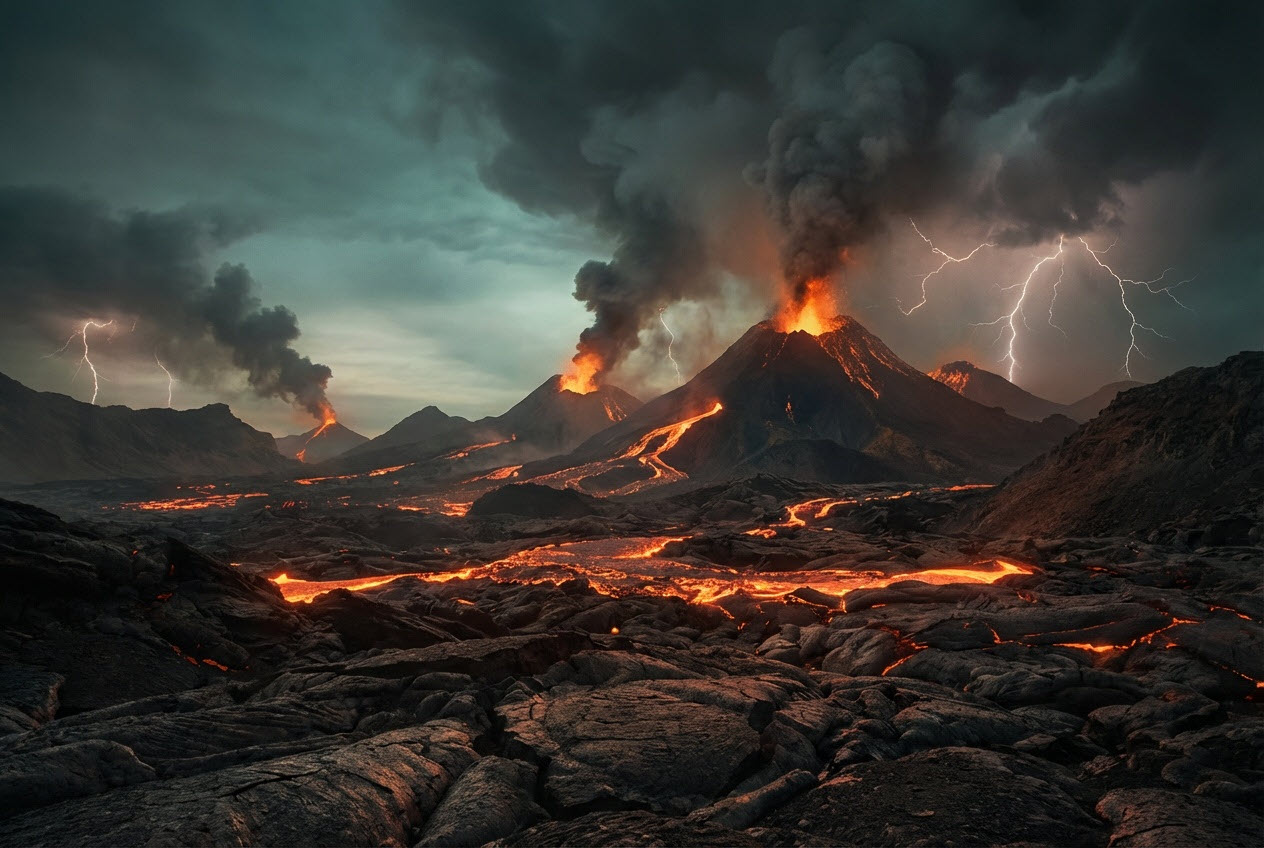
Early Earth was extremely hot, with frequent volcanic activity and meteor impacts. As the planet cooled, water condensed (changed for water in the air to liquid water) to form oceans and the atmosphere began to develop.
These early changes created the environment where the first simple forms of life eventually appeared.
The History of Life on Earth
Life on Earth began more than 3.5 billion years ago with simple microscopic organisms living in the oceans.
Over long periods of time, these early life forms evolved into more complex organisms. Plants, animals, and fungi gradually appeared, leading to the incredible diversity of life that exists today.
Evolution and natural selection allowed species to adapt to different environments, shaping the ecosystems (communities of living things) we see around the world.
The Geologic Time Scale
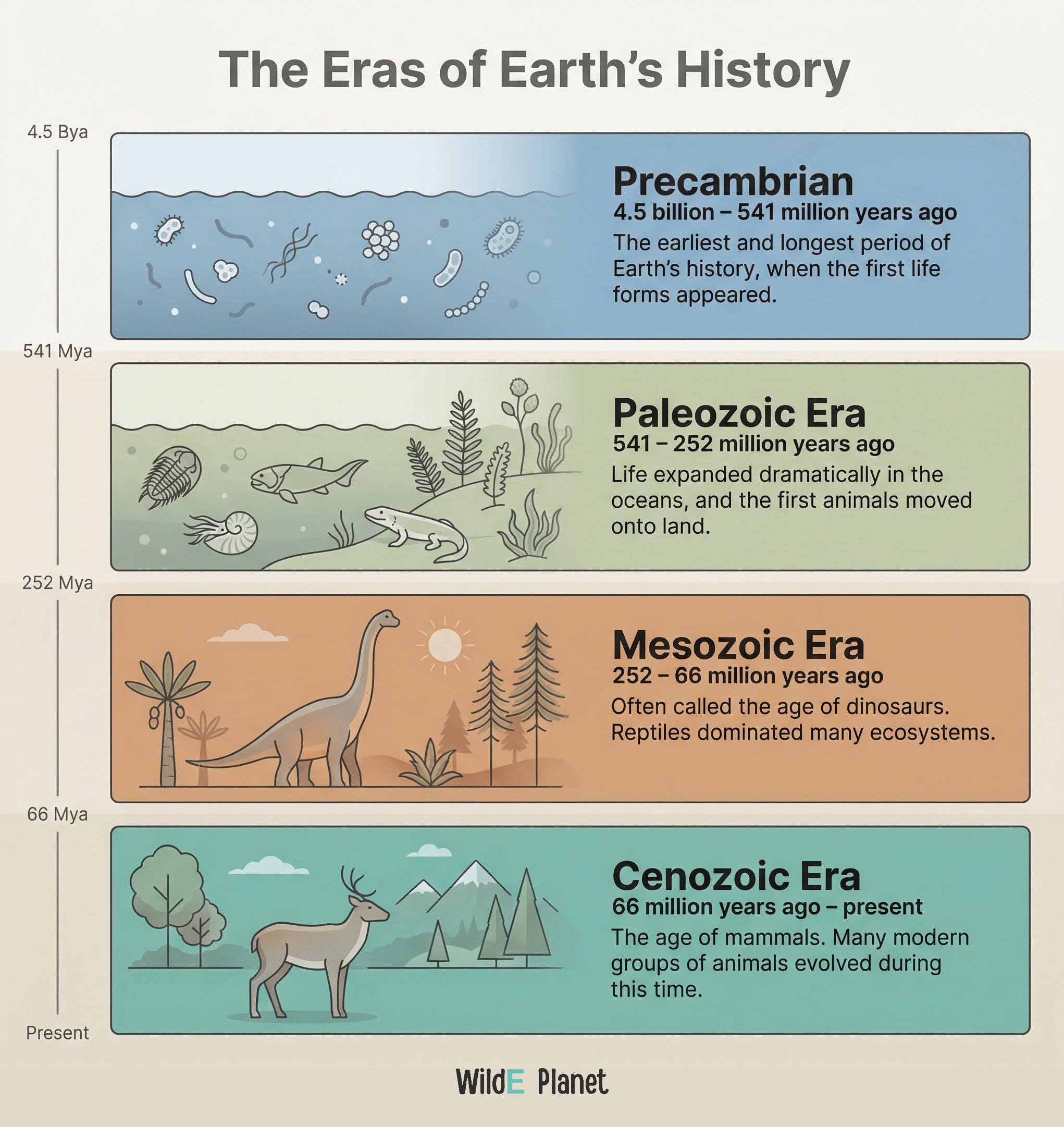
Scientists divide Earth’s history into major periods of time based on changes in the planet and the types of life that existed.
Some of the major eras include:
Precambrian (4.5 billion – 541 million years ago)
The earliest and longest period of Earth’s history, when the first life forms appeared.
Paleozoic Era (541 – 252 million years ago)
Life expanded dramatically in the oceans, and the first animals moved onto land.
Mesozoic Era (252 – 66 million years ago)
Often called the age of dinosaurs. Reptiles dominated many ecosystems.
Cenozoic Era (66 million years ago – present)
The age of mammals. Many modern groups of animals evolved during this time.
Earth Today
Today, Earth contains an extraordinary variety of ecosystems, including forests, oceans, deserts, grasslands, wetlands, and polar regions.
These ecosystems support millions of species of plants and animals that interact in many different and complex ways.
The planet’s biodiversity (variety of living things and ecosystems) is important to its health.
Understanding Earth’s history and environments helps scientists learn how life developed and how biodiversity can be protected for the future.
The Animals of Earth
The diversity of animals on Earth today is the result of billions of years of evolution and environmental change. By studying animals and the ecosystems they inhabit, scientists gain insight into how all life continues to adapt and survive on our dynamic planet.
Earth Facts
Earth is about 4.5 billion years old
Scientists estimate Earth’s age by studying ancient rocks and meteorites. This long history includes major changes in climate, landforms, and life over time.
About 71% of Earth’s surface is covered by water
Most of this water is found in the oceans, which play a key role in regulating the planet’s climate. Water also supports a wide range of ecosystems, from coral reefs to deep-sea environments.
Earth’s atmosphere is mostly nitrogen and oxygen
Nitrogen makes up about 78% of the atmosphere, while oxygen makes up about 21%. This balance allows most life on Earth to breathe and helps protect the planet from harmful radiation.
Earth is the only known planet to support life
It has the right combination of liquid water, a stable climate, and protective atmosphere. These conditions allow plants, animals, and microorganisms to survive and evolve.
Earth is made up of several layers
The planet has a thin outer crust, a thick mantle, and a dense core at the center. These layers influence everything from volcanoes and earthquakes to the movement of continents.
Earth’s gravity gives weight to everything on the planet
Gravity pulls objects toward the center of the Earth, keeping people, water, and air in place. It also helps hold the atmosphere around the planet.
Earth rotates on its axis once every 24 hours
This rotation creates the cycle of day and night. As different parts of the planet face the Sun, they experience light or darkness.
Earth orbits the Sun once every 365 days
This movement defines a year and, combined with the tilt of Earth’s axis, creates the seasons. Different parts of the planet receive varying amounts of sunlight throughout the year.
Earth has a magnetic field
This invisible field is generated by movement in the planet’s core. It helps protect Earth from solar radiation and is responsible for phenomena like the northern and southern lights.
Life on Earth has changed dramatically over time
From simple single-celled organisms to complex plants and animals, life has evolved over billions of years. Fossils provide important clues about these changes.
Sources: NASA, USGS, scientific research summaries
Sources
- NASA – planetary science, Earth formation, atmosphere
- United States Geological Survey – Earth structure, geology, natural processes
- Smithsonian Institution – natural history and scientific research· NASA – planetary science, Earth formation, atmosphere