
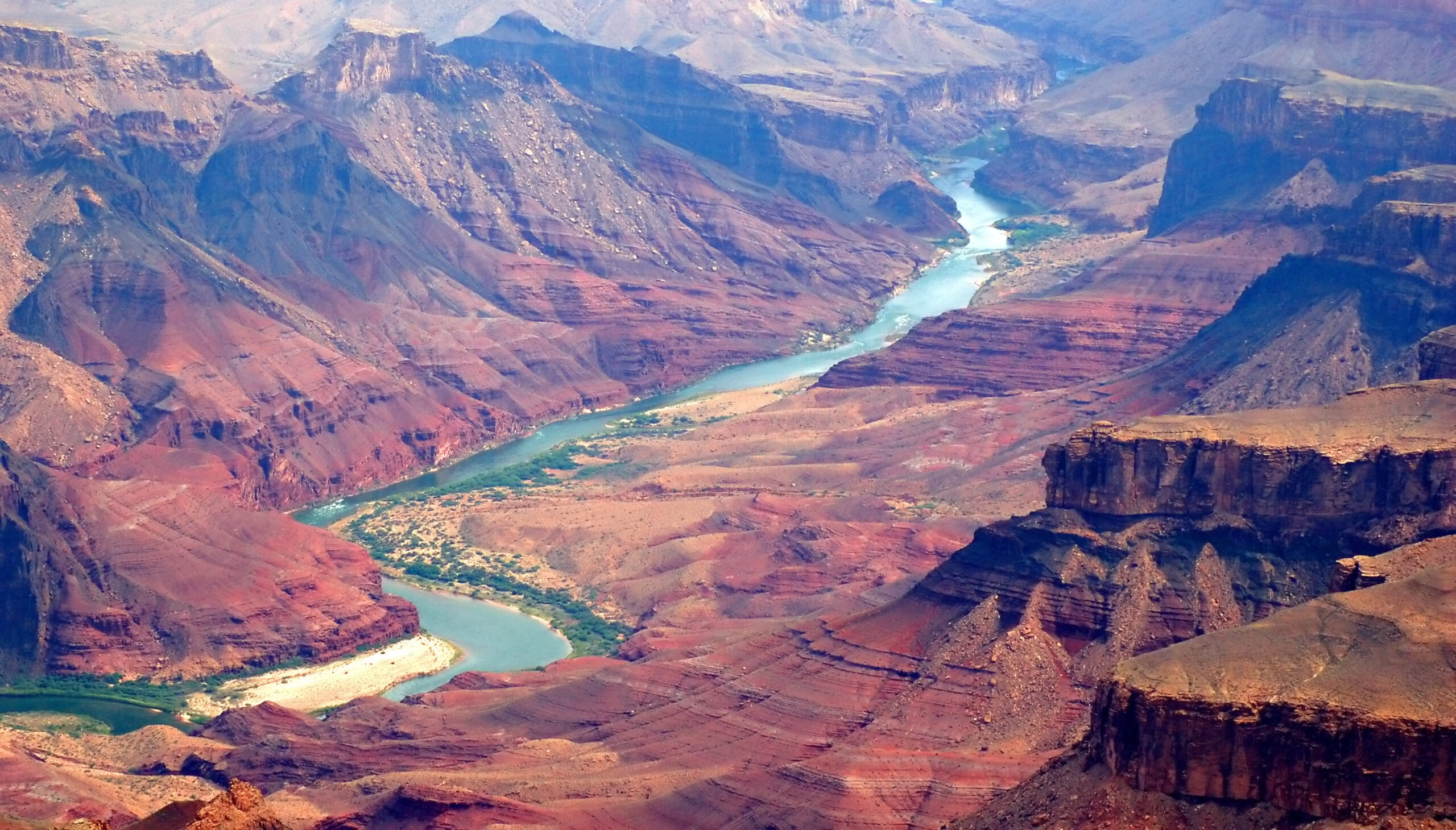
Continents are the major land areas of the Earth. There are seven continents in the world. Each continent has its own mix of climates, landscapes, ecosystems, habitats, and wildlife. Some continents are covered by vast forests, while others contain deserts, mountains, grasslands, wetlands, or polar environments.
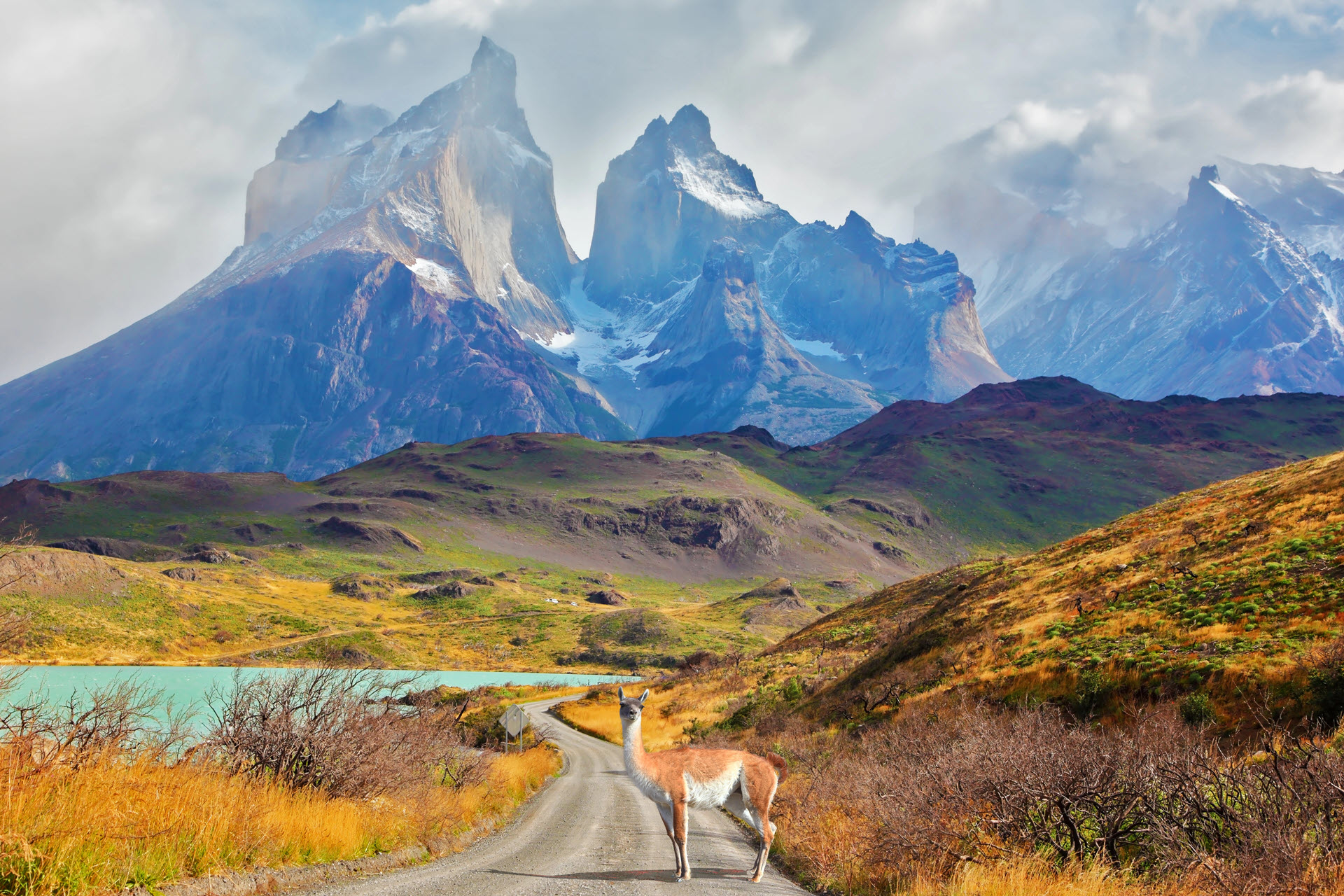
Image: A llama in South America’s Andes mountain system
Continents of the World
Animals are not found evenly around the world. Different continents support different kinds of wildlife because of variations in climate, geography, habitats, and ecosystems. These conditions influence where animals live and how they survive.
Over time, oceans, mountains, deserts, and other natural barriers have separated animal populations. As animals adapted to different environments, unique species evolved in different parts of the world. This is why kangaroos are found in Australia, polar bears live in the Arctic, and many lemurs are found only on the island of Madagascar.
Each continent contains a variety of habitats and ecosystems that provide food, water, shelter, and space for wildlife. Some animals live across large areas, while others are found only in specific locations.
List of Continents of the World
The continents and arctic polar region listed below provide a simple way to explore where animals live around the world:
- Africa
- Asia
- Europe
- North America
- South America
- Australia & Oceania
- Antarctica
- Artic
These broad geographic areas help us understand the distribution of wildlife and the unique animals found in different parts of the world.
Africa
Overview
Africa is a large and diverse continent that includes deserts, grasslands, rainforests, and mountains. It is known for its wide range of wildlife, especially large land animals that live in open landscapes like savannas.
Climate
Africa’s climate varies by region. Much of the continent is warm year-round, with tropical climates near the equator and drier conditions in the north and south. Some areas receive heavy rainfall, while others, like the Sahara Desert, are extremely dry. Seasonal changes in rainfall shape where animals live and migrate.
Habitats
Africa includes savannas, tropical rainforests, deserts, wetlands, and mountain regions. Each habitat supports different kinds of animals adapted to those environments.
Representative Animals
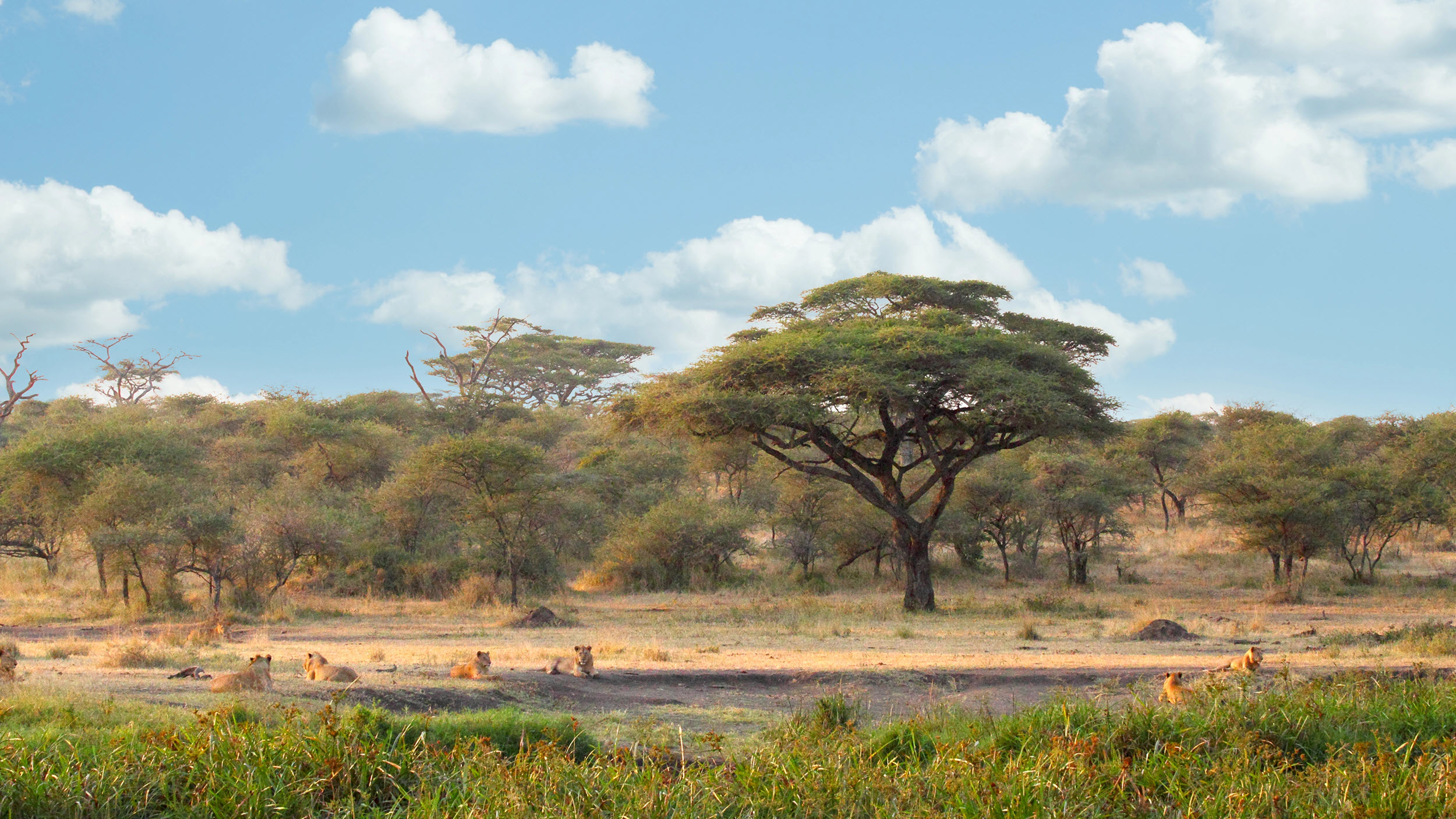
Image: Lions in the African Savannah
Asia
Overview
Asia is the largest region on Earth and includes a wide range of landscapes, from tropical forests to high mountain ranges. It is home to many unique species found nowhere else.
Climate
Asia’s climate varies widely. Tropical climates are found in the south, while central regions can be dry and desert-like. Northern areas experience cold winters, and mountain regions have harsh, high-altitude conditions. Seasonal weather patterns, such as monsoons, play an important role in many parts of Asia.
Habitats
Asia includes rainforests, grasslands, deserts, mountains, and coastal ecosystems. These varied environments support a wide range of wildlife.
Representative Animals
- Bengal Tiger
- Asian Elephant
- Giant Panda
- Snow Leopard
- Orangutan
- Komodo Dragon
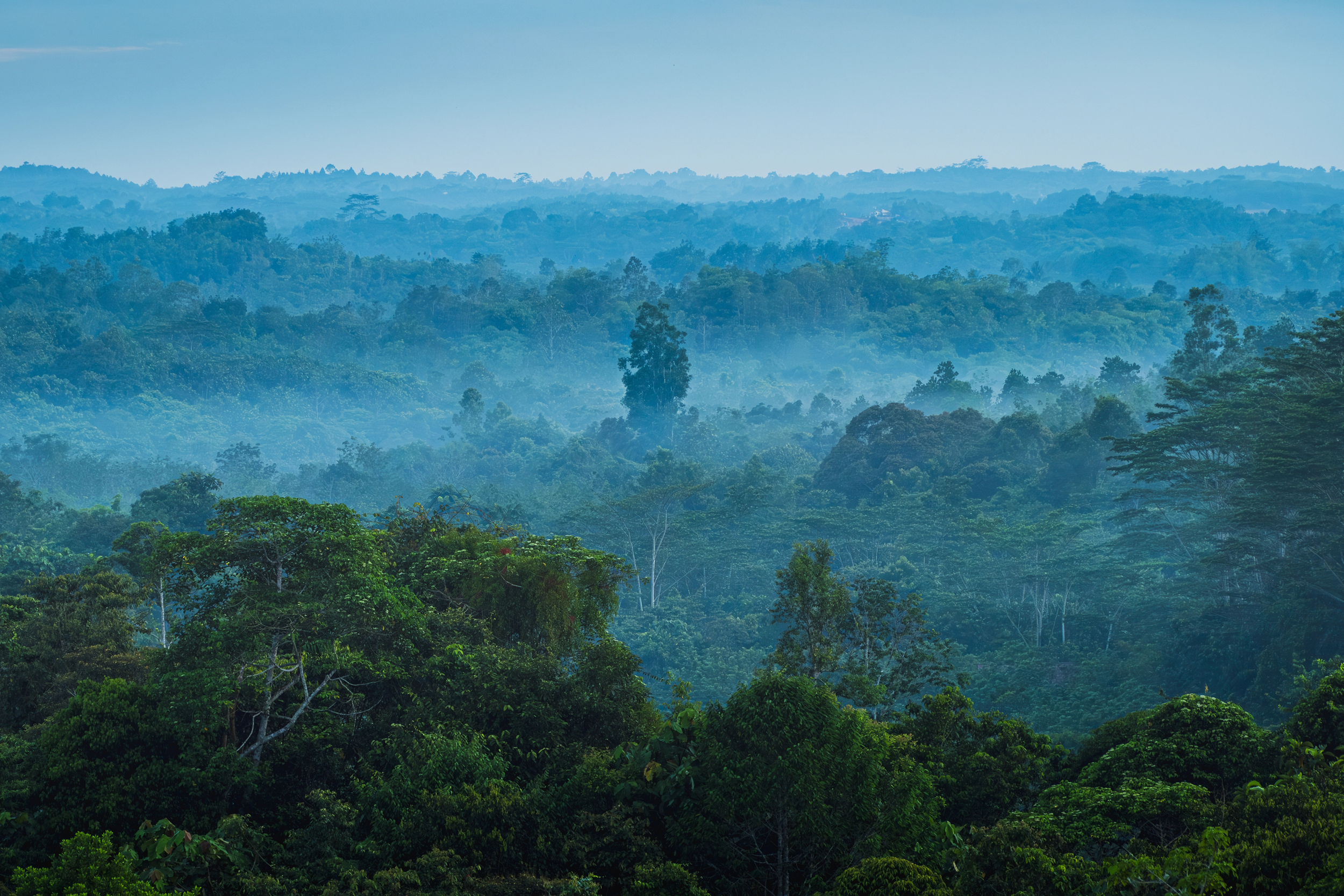
Image: Borneo Rainforest
Europe
Overview
Europe is a region with a mix of forests, mountains, and grasslands. While it has a long history of human development, it still supports many wild animal species.
Climate
Europe generally has a moderate climate, with mild temperatures in many areas. Western regions are influenced by the ocean, while eastern areas have more seasonal extremes. Northern parts are colder, and southern regions are warmer and drier.
Habitats
Europe includes forests, grasslands, wetlands, and mountain ranges. These habitats support a range of mammals, birds, and other wildlife.
Representative Animals
- Red Fox
- Brown Bear
- Gray Wolf
- European Badger
- Eurasian Lynx
- Wild Boar
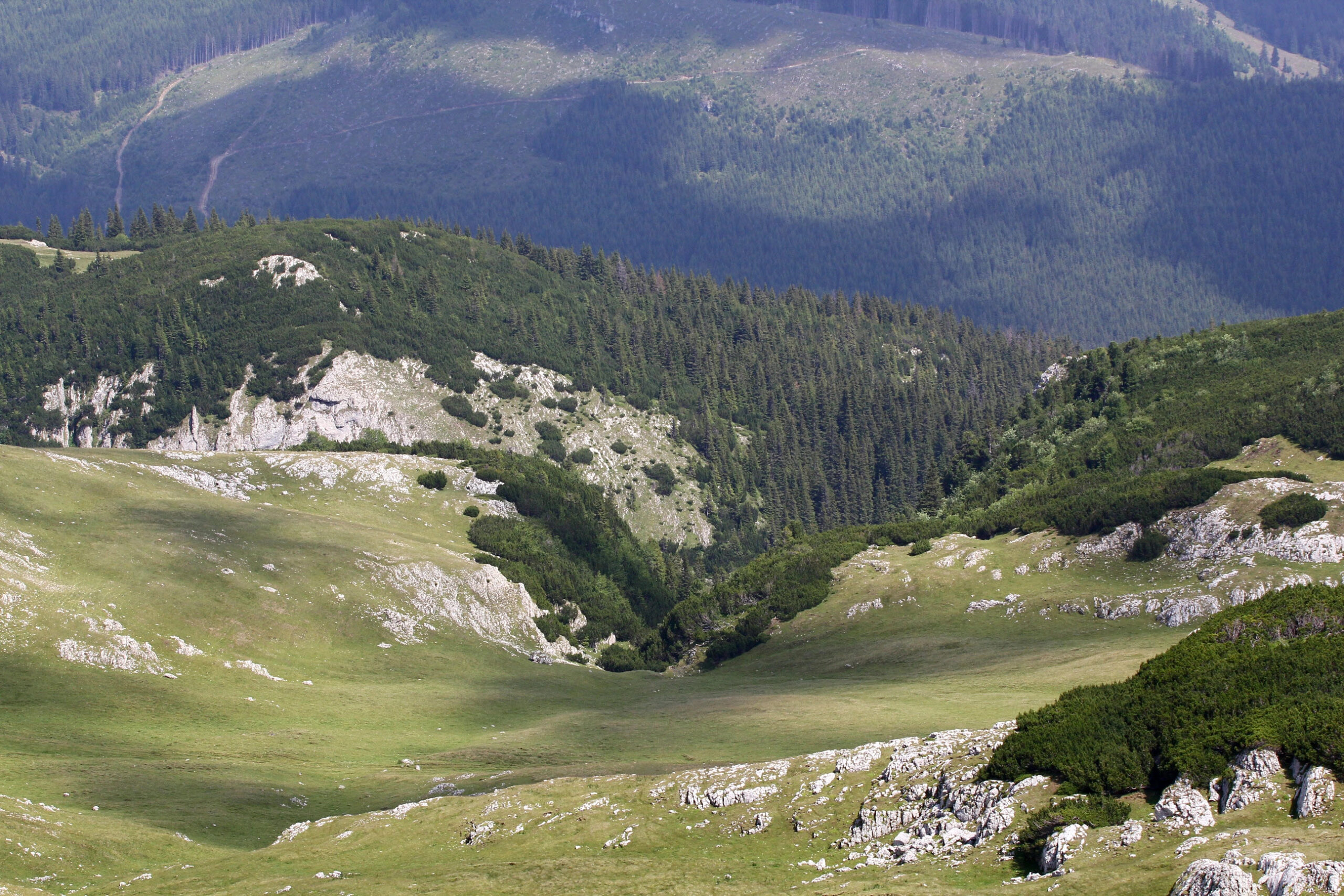
Image: The Carpathian mountains in Europe
North America
Overview
North America includes a wide range of environments, from Arctic tundra in the north to deserts and forests in the south. It supports many well-known wildlife species.
Climate
The climate of North America varies greatly. Northern areas are cold, while southern regions can be warm or dry. Seasonal changes are common, with some areas experiencing hot summers and cold winters. Weather patterns such as storms and snowfall influence the landscape.
Habitats
North America includes forests, grasslands, deserts, mountains, wetlands, and coastal regions. These habitats provide space for many different species.
Representative Animals
- American Bison
- Grizzly Bear
- Gray Wolf
- Bald Eagle
- Mountain Lion
- Moose
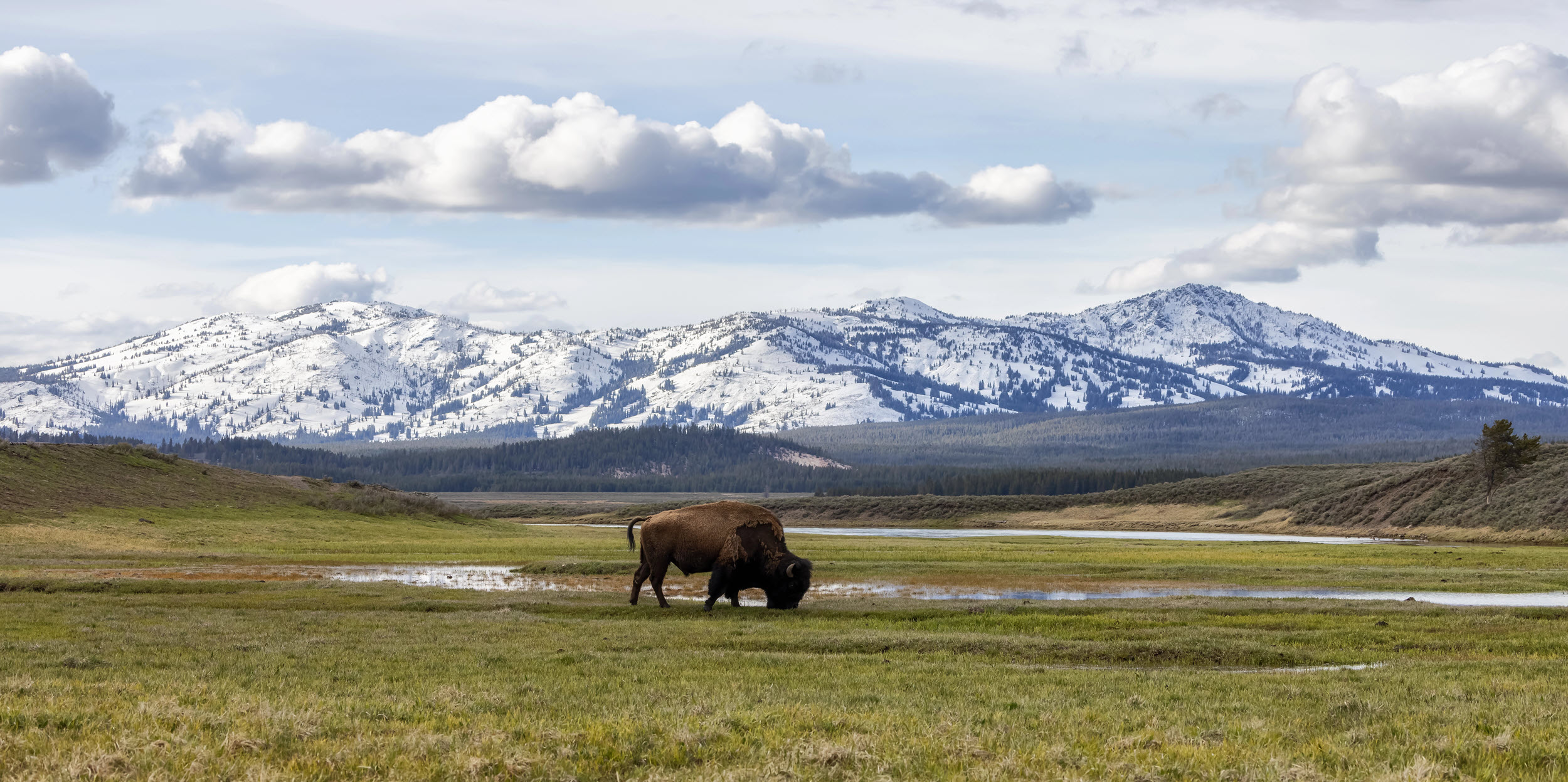
Image: A bison in America’s Yellowstone National Park
South America
Overview
South America is known for its rich natural environments, especially the Amazon rainforest. It is home to many species found nowhere else.
Climate
Much of South America has a tropical climate, especially near the equator. Other areas include dry regions, high mountains, and cooler southern zones. Rainfall varies widely, with some areas receiving heavy rain and others remaining dry.
Habitats
South America includes rainforests, grasslands, wetlands, mountains, and coastal ecosystems. The Amazon rainforest is one of the largest and most important habitats in the world.
Representative Animals
- Jaguar
- Sloth
- Capybara
- Giant Anteater
- Toucan
- Anaconda
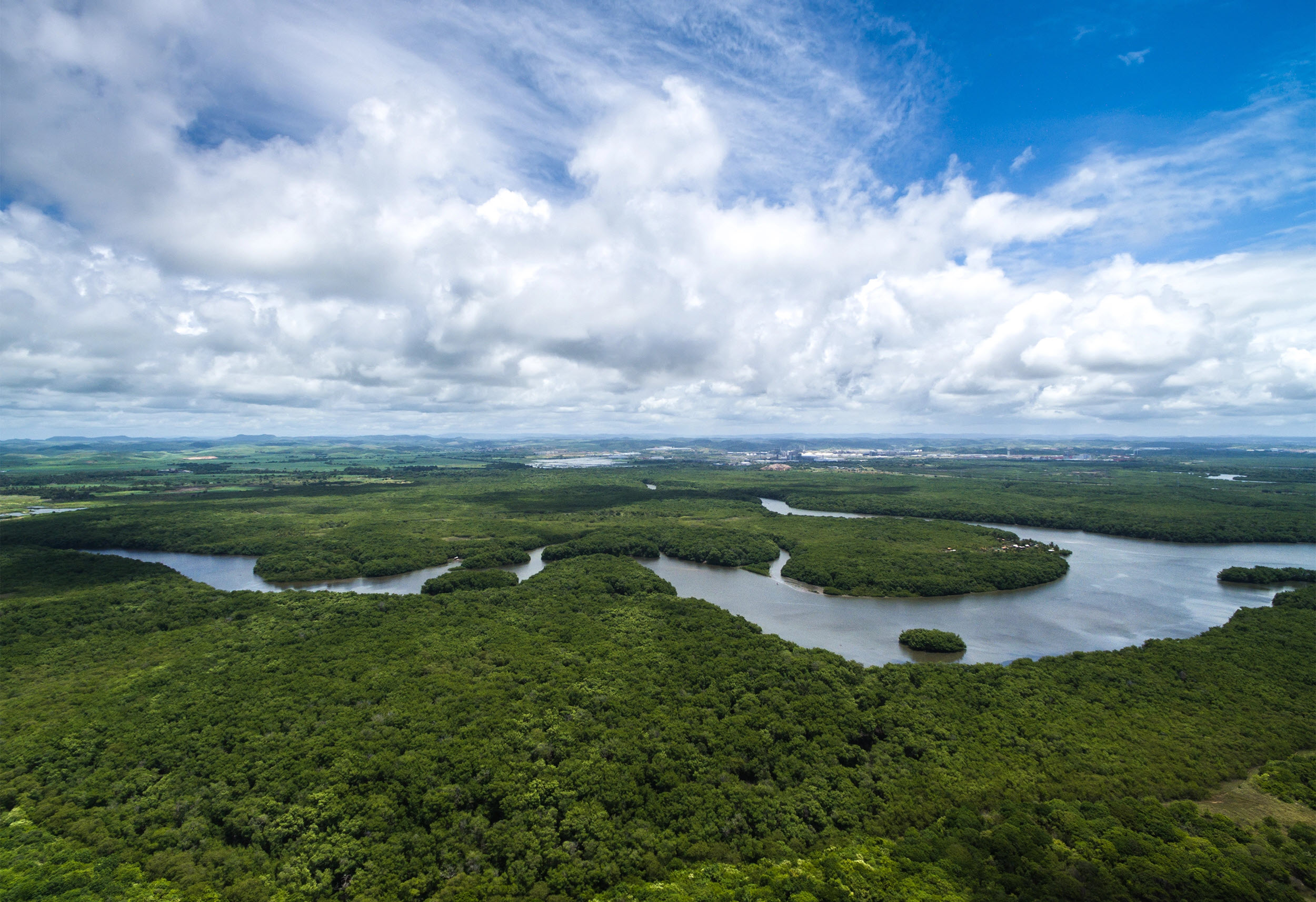
Image: The Amazon in South America
Australia and Oceania
Overview
Australia and Oceania include Australia, nearby islands, and parts of the Pacific Ocean. Many species here evolved in isolation and are found nowhere else.
Climate
This region has a mix of climates, including tropical, dry, and temperate zones. Australia includes large desert areas, while many islands have warm, humid conditions. Coastal regions often have milder climates.
Habitats
Habitats include deserts, grasslands, forests, coral reefs, and island ecosystems. These environments support unique plant and animal life.
Representative Animals
- Kangaroo
- Koala
- Tasmanian Devil
- Wombat
- Kiwi
- Saltwater Crocodile
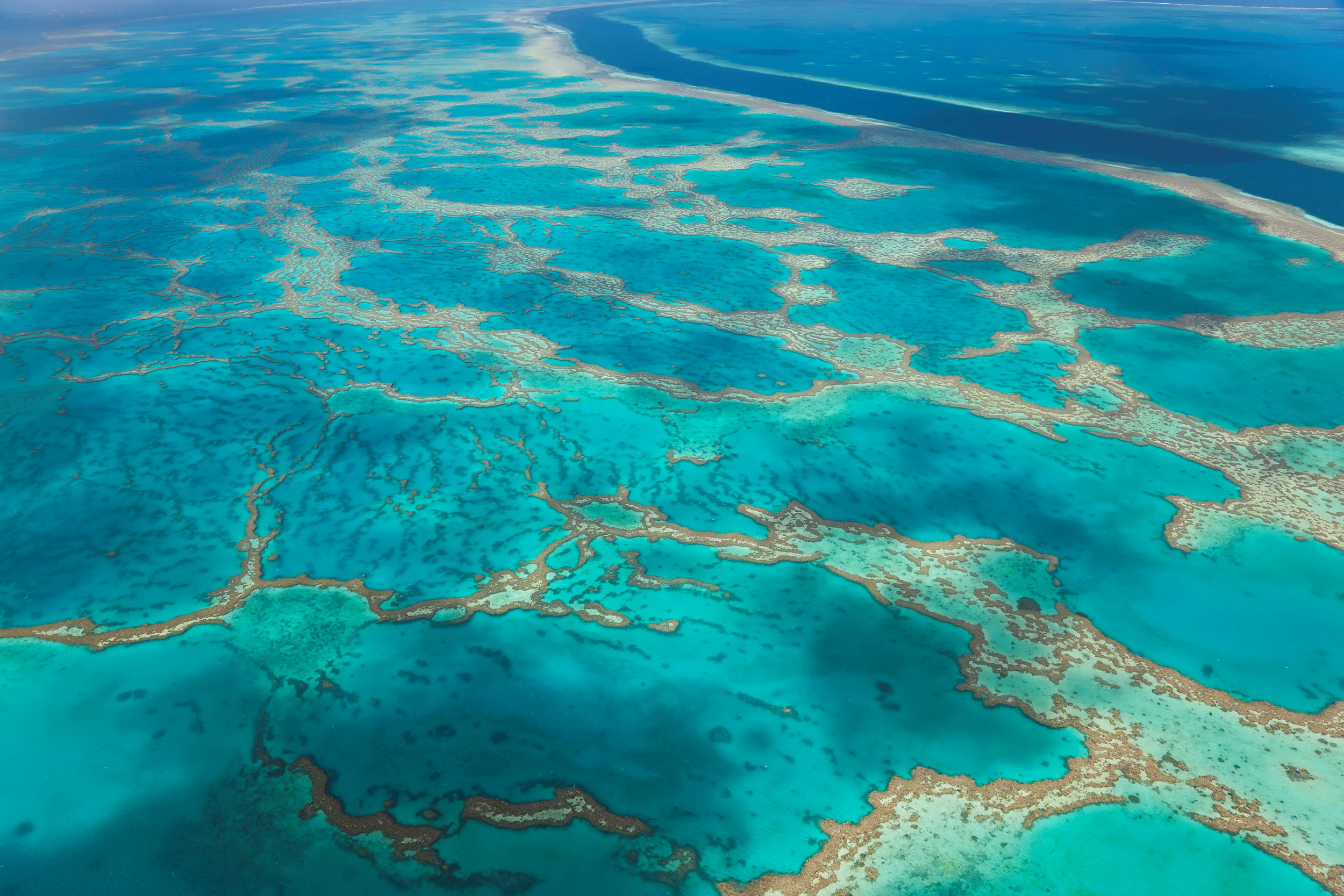
Image: Australia’s Coral Reef
Antarctica
Overview
The Antarctic is the region around the South Pole. It is one of the coldest and most remote places on Earth, with very little land-based vegetation.
Climate
The Antarctic has an extremely cold and dry climate. It experiences long periods of darkness in winter and continuous daylight in summer. Strong winds and freezing temperatures shape the environment.
Habitats
Habitats include ice-covered land, coastal areas, and surrounding ocean waters. Most wildlife is found along the coast and in the ocean.
Representative Animals
- Emperor Penguin
- Adélie Penguin
- Leopard Seal
- Weddell Seal
- Orca
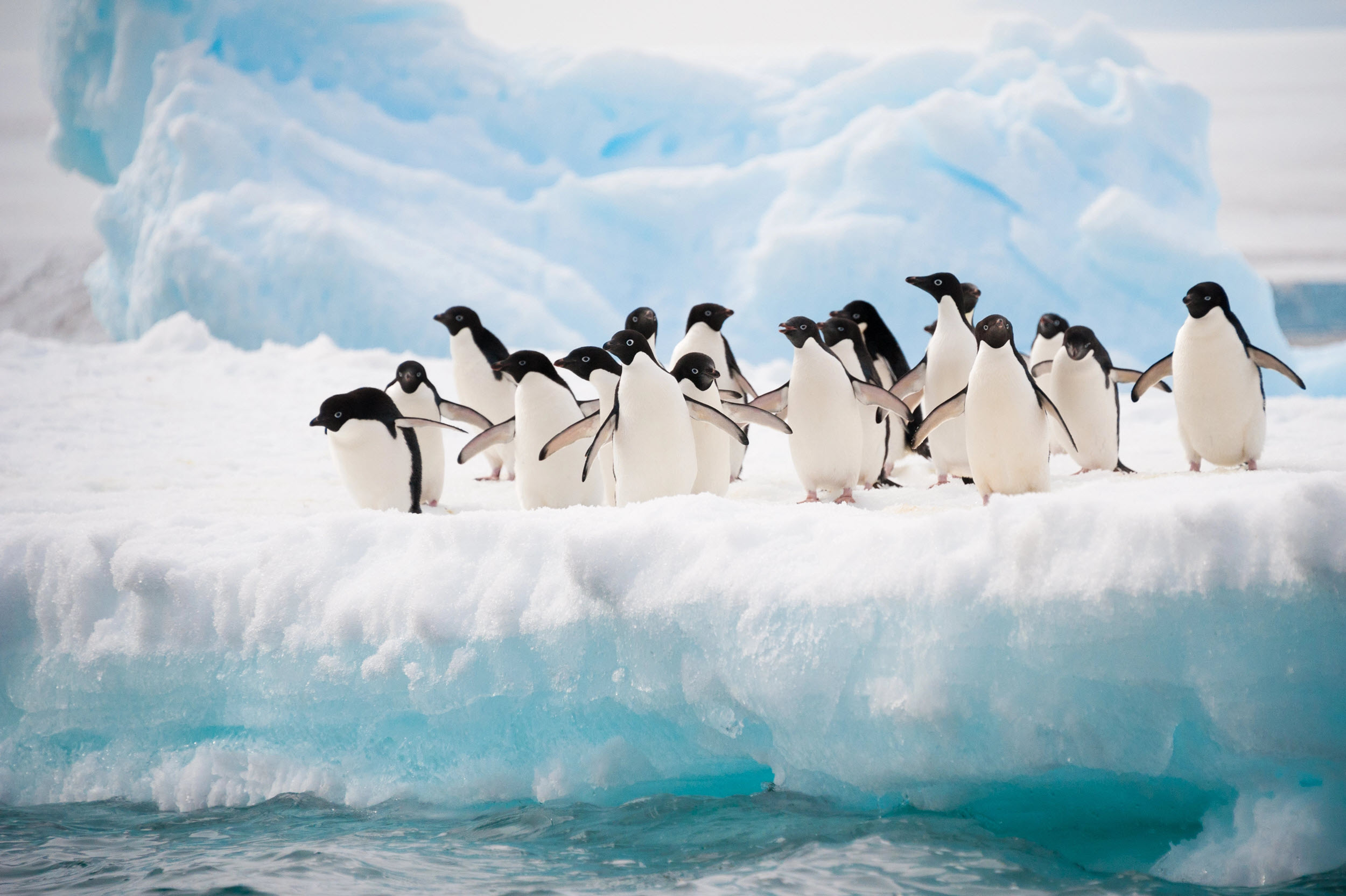
Image: Penguins in Antartica
Arctic
Overview
The Arctic isn’t a continent, it’s an ocean covered by floating ice.
It is located around the North Pole, covering parts of North America, Europe, and Asia. It is known for its cold environment and seasonal extremes in light and darkness. It is a unique environment inhabited by many different animals.
Climate
The Arctic has a very cold climate, with long winters and short summers. Much of the region is covered in ice or frozen ground. Temperatures remain low for most of the year, and sunlight varies greatly by season.
Habitats
Habitats include tundra, sea ice, and cold ocean waters. These environments support animals adapted to extreme cold.
Representative Animals
- Polar Bear
- Arctic Fox
- Walrus
- Snowy Owl
- Beluga Whale
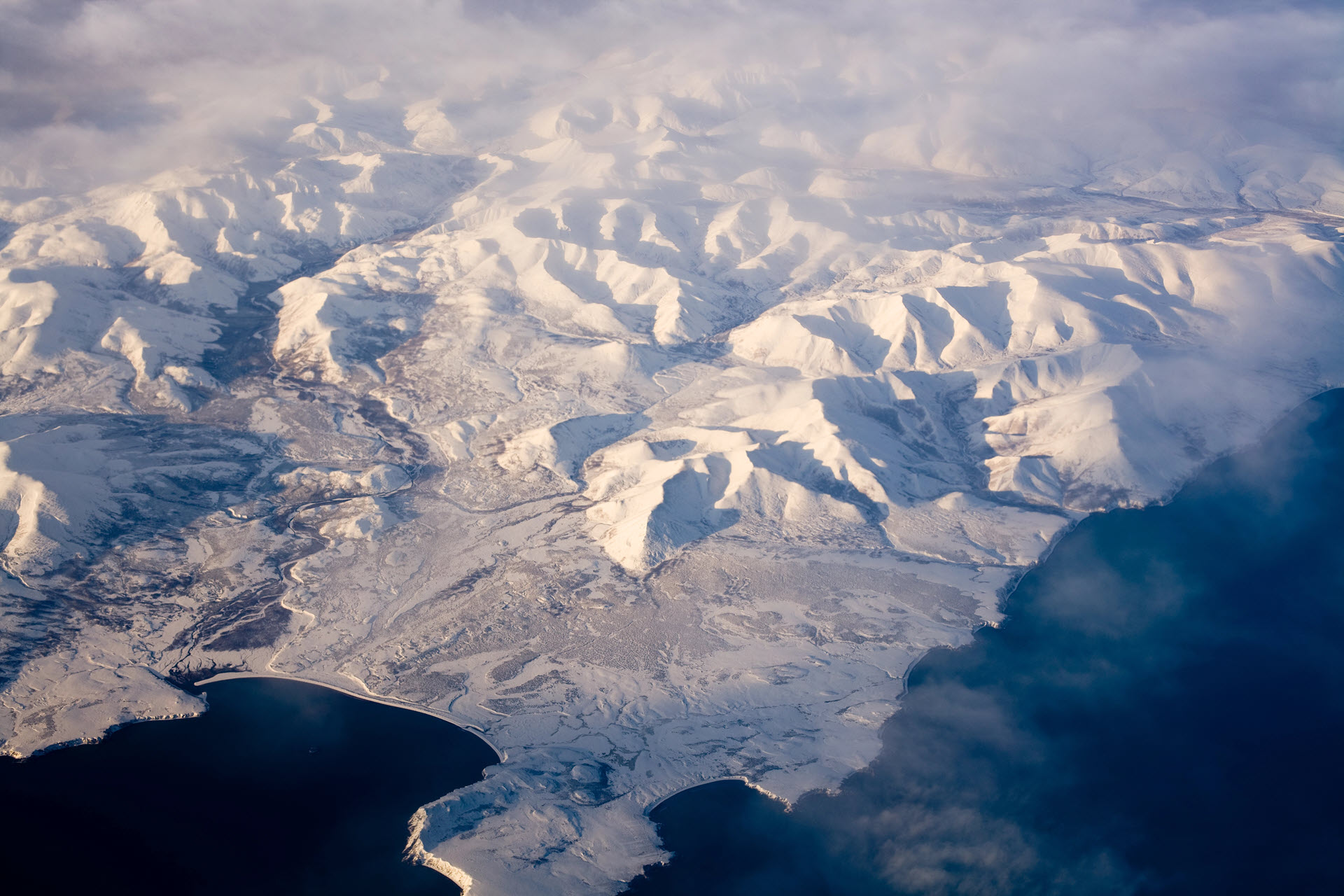
Image: The Arctic around the North Pole.
Continents, Ecosystems and Habitats
For most of human history, people depended directly on the ecosystems and habitats around them for food, water, and survival. If resources were limited, people had to adapt or move.
Today, farming, trade, and technology allow food and materials to come from many different regions, making that connection less visible. But it is still there. Humans still depend on healthy ecosystems and habitats for survival—either locally or from other parts of the world.
For example, avocados may be grown in Mexico and shipped to other countries. If drought, soil problems, or other environmental changes affect the ecosystems where they are grown, production can be reduced or disrupted. Similar patterns apply to crops, fisheries, and water supplies.
Animals by Continents
Animals play a role in maintaining the balance of the ecosystems where they live. Those ecosystems are connected to other ecosystems through water, climate, and the movement of species.
This means changes in one place can affect other places. Even if those connections are not always easy to see.
Here are some examples.
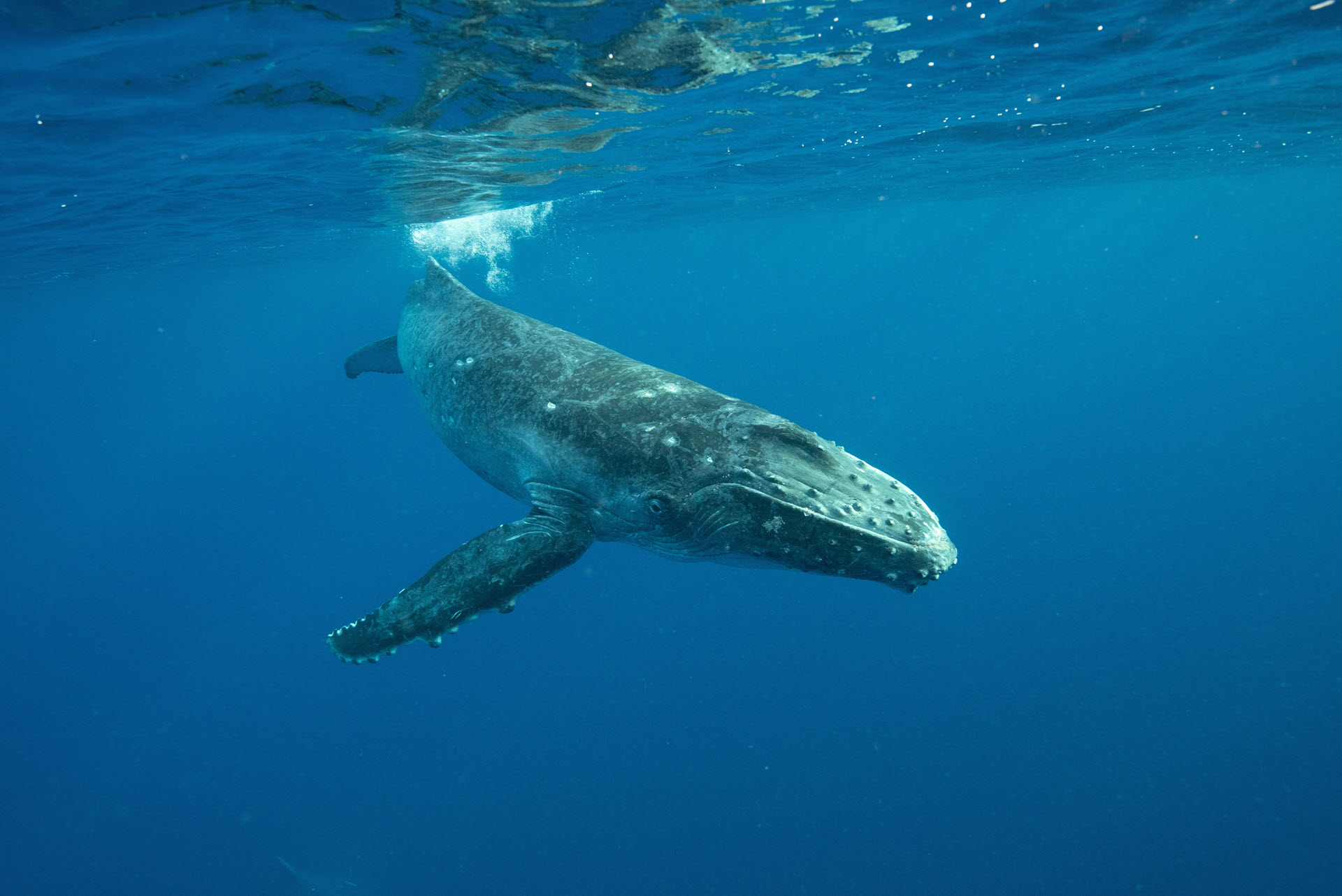
Whales
Whales may seem far away from human life, but they are part of ocean systems that support many other forms of life. Here is one example of how that works:
- Whales feed deep in the ocean.
Many whales dive to eat krill, small fish, or squid that live far below the surface. - They return to the surface to breathe.
When whales come back up, they release waste near the surface of the water. - Their waste contains nutrients.
These nutrients, including iron and nitrogen, help support the growth of other living things. - These nutrients help tiny ocean plants grow.
Near the surface, sunlight allows microscopic plant-like organisms called phytoplankton to grow. - Phytoplankton support the ocean food chain.
Small animals eat phytoplankton, fish eat those animals, and larger animals eat the fish. This supports many forms of marine life. - Phytoplankton also produce oxygen.
Like plants on land, they release oxygen as part of making energy from sunlight. - Oxygen is important because living things depend on it.
Most animals, including humans, need oxygen to breathe and survive. - This means whales help support larger ocean systems.
By moving nutrients to the surface, whales help support phytoplankton, which supports marine life and contributes to oxygen production.
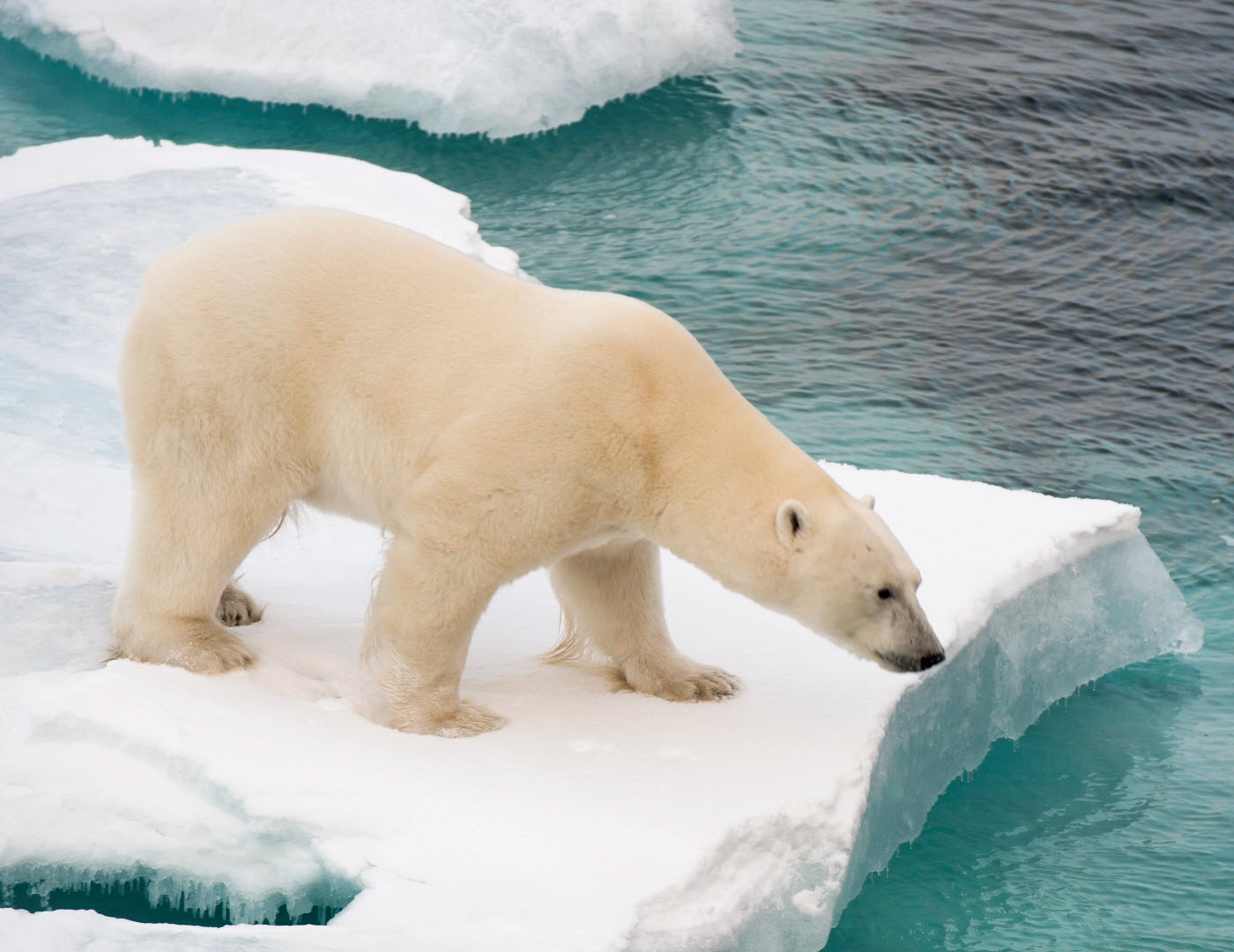
Polar Bears
Polar Bears may live in the Arctic, but because of their food source (seals) they are connected to life all over the world.
- Seals depend on fish and smaller marine life.
These fish depend on even smaller organisms in the ocean. - This creates what is called a food chain.
Each level depends on the one below it for energy and survival. - Polar bears are at the top of this chain.
An animal at the top of a food chain is called an Apex Predator. - Apex predators help control prey populations.
By hunting seals, polar bears limit how many seals are in a given area. - If seal populations grow too large, they can use more food than is available.
For example, a large number of seals may eat more fish than the ecosystem can replace. - This can reduce food for other species.
If fish populations decline, it can affect other animals that also depend on those fish. - A balanced system means populations stay within levels the environment can support.
There is enough food, space, and resources for different species to survive without one group overwhelming the others. - This leads to a more stable ecosystem over time.
When populations are balanced, the system is less likely to experience sudden changes or shortages. - These systems are connected to other ecosystems beyond the Arctic.
The fish that seals eat are part of larger ocean systems. Many fish species move across wide areas or are part of ocean currents that connect different regions. - Changes in one part of the system can affect other areas.
If fish populations are reduced in one region, it can impact food availability in other parts of the ocean where those same species are found. - Ocean systems are part of a global network.
Water, nutrients, and marine life move through currents that connect the Arctic to other parts of the world’s oceans. - This means balance in one region supports balance in others.
When Arctic food systems remain stable, it helps maintain the flow of energy and life through these connected ocean systems.
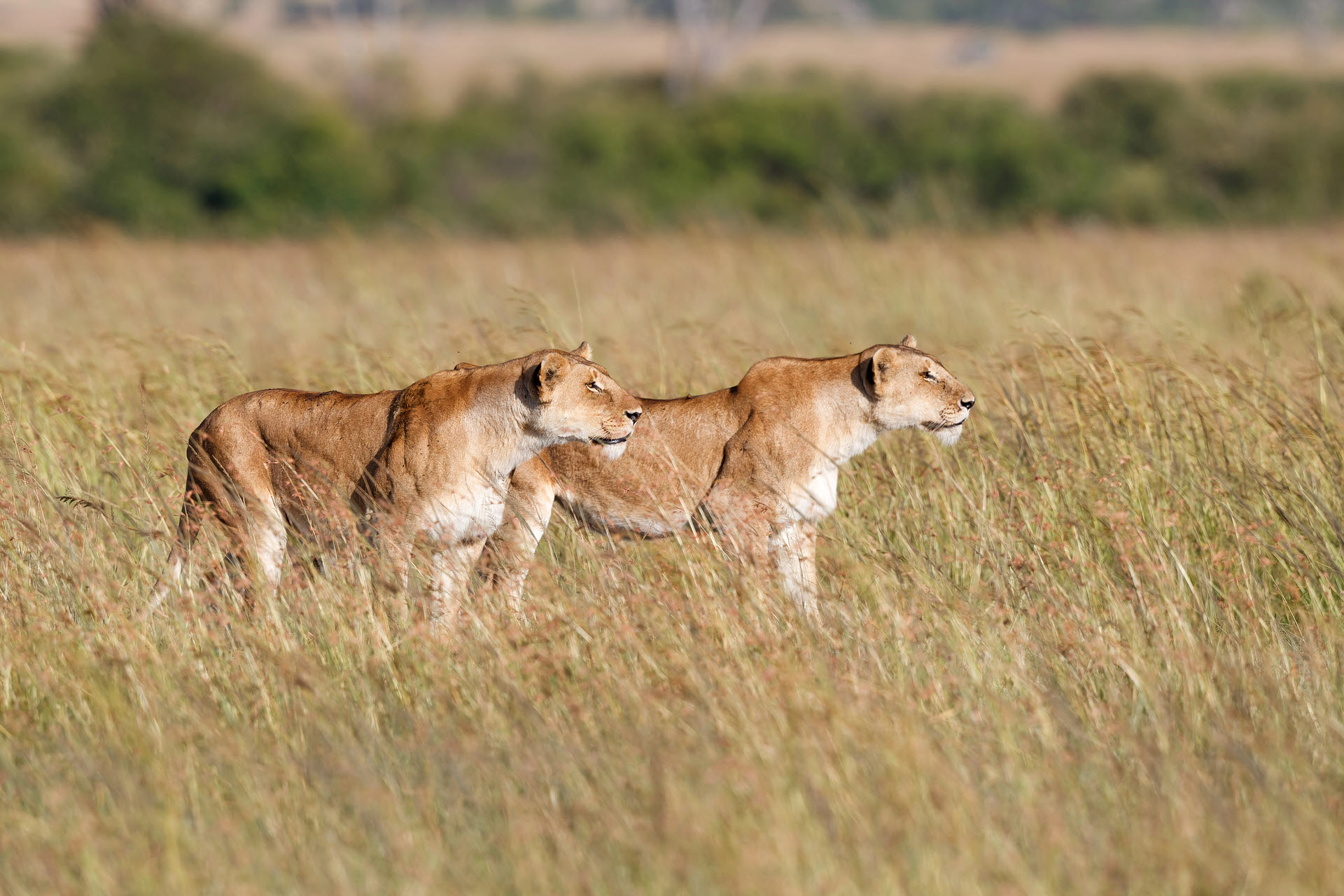
Lions
Animals like lions help maintain the structure of ecosystems by influencing multiple levels of the food chain.
- Lions hunt large herbivores.
In African savannas, lions hunt animals such as zebras and antelope. - These animals eat plants.
Herbivores depend on grasses and other vegetation for food. - Lions help control herbivore populations.
By hunting, lions help prevent herbivores from becoming too numerous. This creates a more balanced ecosystem. When plants, herbivores, and predators are in balance, the system is more stable. - Healthy vegetation also supports the land itself.
Plant roots help hold soil in place and reduce erosion, especially during heavy rains. - Vegetation helps manage water in the environment.
Plants absorb and slow down water, helping it soak into the ground instead of running off too quickly. - If vegetation is lost, these systems can break down.
Overgrazing can lead to soil erosion, poorer soil quality, and less ability to hold water. - These changes can affect nearby areas.
Soil and water do not stay in one place—erosion and water flow can impact rivers, wetlands, and neighboring ecosystems. - Land ecosystems are connected across regions.
Rivers, weather patterns, and animal movement link one area to another. Changes in one location can influence conditions in surrounding areas. - This means balance in one area supports stability in others.
When vegetation and animal populations are maintained in one region, it helps protect the health of connected land and water systems.This means apex predators play an important role. - This helps protect plant life.
If too many herbivores are present, they can overgraze and damage vegetation. - Healthy plant life supports other species.
Plants provide food and shelter for many animals and help maintain soil and water systems. - This creates a more balanced ecosystem.
When plants, herbivores, and predators are in balance, the system is more stable. - This means apex predators play an important role.
Animals like lions help maintain the structure of ecosystems by influencing multiple levels of the food chain.
List of Animals by Continents
Below is a list of animals by continents and the arctic polar region. Three animals are listed per animal group – mammals, birds, fish, reptiles, insects, amphibians and arachnids. Use the scroll bar at the bottom of the table to see the entire list.
| Region | Mammals | Fish | Birds | Insects | Reptiles | Arachnids | Amphibians |
|---|---|---|---|---|---|---|---|
| Africa | African Elephant, Lion, Giraffe | Nile Perch, African Lungfish, Rift Lake Cichlid | Ostrich, Secretary Bird, African Penguin | Tsetse Fly, Dung Beetle, African Monarch Butterfly | Nile Crocodile, Black Mamba, Leopard Tortoise | Baboon Spider, Fat-tailed Scorpion, Button Spider | Goliath Frog, African Clawed Frog, Common Reed Frog |
| Antarctica | Crabeater Seal, Weddell Seal, Southern Elephant Seal | Antarctic Toothfish, Icefish, Antarctic Silverfish | Emperor Penguin, Adélie Penguin, Snow Petrel | Antarctic Midge, Springtail, Seabird Lice | None native | Mites, Seabird Ticks | None native |
| Arctic | Polar Bear, Arctic Fox, Caribou (Reindeer) | Arctic Char, Cod, Halibut | Snowy Owl, Arctic Tern, Ptarmigan | Arctic Mosquito, Black Fly, Arctic Butterfly | Limited (e.g. Garter Snake edges) | Cold-tolerant Spiders, Ticks | Wood Frog |
| Asia | Tiger, Giant Panda, Snow Leopard | Carp, Catfish, Asian Arowana | Peacock, Hornbill, (various Eagles) | Asian Lady Beetle, Praying Mantis, Atlas Moth | Komodo Dragon, King Cobra, Gharial | Tarantula, Scorpion, Whip Spider | Japanese Giant Salamander, Fire-bellied Toad, Tree Frog |
| Europe | Brown Bear, Eurasian Wolf, Red Deer | Atlantic Salmon, Northern Pike, Carp | Golden Eagle, Barn Owl, Common Swift | Seven-spot Ladybird, Stag Beetle, Bumblebee | Adder, Slow Worm, European Pond Turtle | House Spider, Tick, Harvestman | Common Frog, Fire Salamander, Great Crested Newt |
| North America | American Bison, Moose, Grizzly Bear | Largemouth Bass, Atlantic Salmon, Lake Trout | Bald Eagle, Snowy Owl, Wild Turkey | Monarch Butterfly, Praying Mantis, Honey Bee | American Alligator, Rattlesnake, Box Turtle | Black Widow, Wolf Spider, Desert Scorpion | American Bullfrog, Spotted Salamander, Wood Frog |
| South America | Jaguar, Capybara, Three-toed Sloth | Piranha, Arapaima, Discus Fish | Hyacinth Macaw, Andean Condor, Toucan | Morpho Butterfly, Leafcutter Ant, Tarantula Hawk Wasp | Green Anaconda, Boa Constrictor, Caiman | Goliath Birdeater Tarantula, Scorpion, Wandering Spider | Poison Dart Frog, Giant Toad, Glass Frog |
| Australia | Red Kangaroo, Koala, Platypus | Murray Cod, Barramundi, Lungfish | Emu, Kookaburra, Sulphur-crested Cockatoo | Cairns Birdwing Butterfly, Bulldog Ant, Stick Insect | Saltwater Crocodile, Perentie Lizard, Eastern Brown Snake | Sydney Funnel-web Spider, Redback Spider, Huntsman Spider | Green Tree Frog, Corroboree Frog, (other Tree Frogs) |
Every region of the world supports its own web of life, shaped by climate, geography, and time. From forests and deserts to oceans and polar ice, these environments are connected in ways that are not always obvious—but those connections are real. Understanding where animals live and the role they play in these systems helps explain how these systems support food, water, and the conditions humans depend on to survive.