
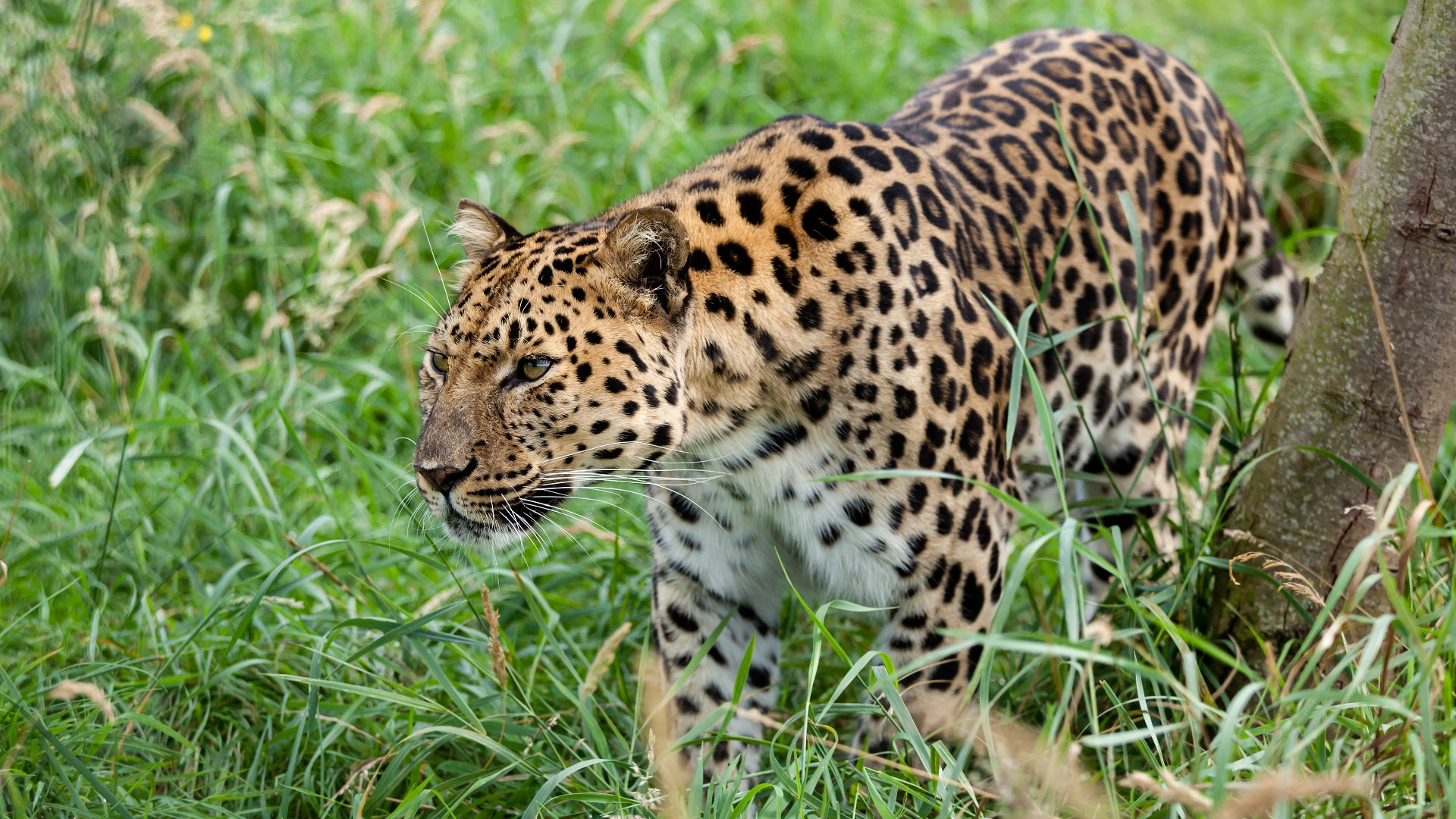
Endangered animals are species of animals that face a high risk of extinction in the wild. Learn why they become endangered and the conservation efforts helping protect wildlife around the world.
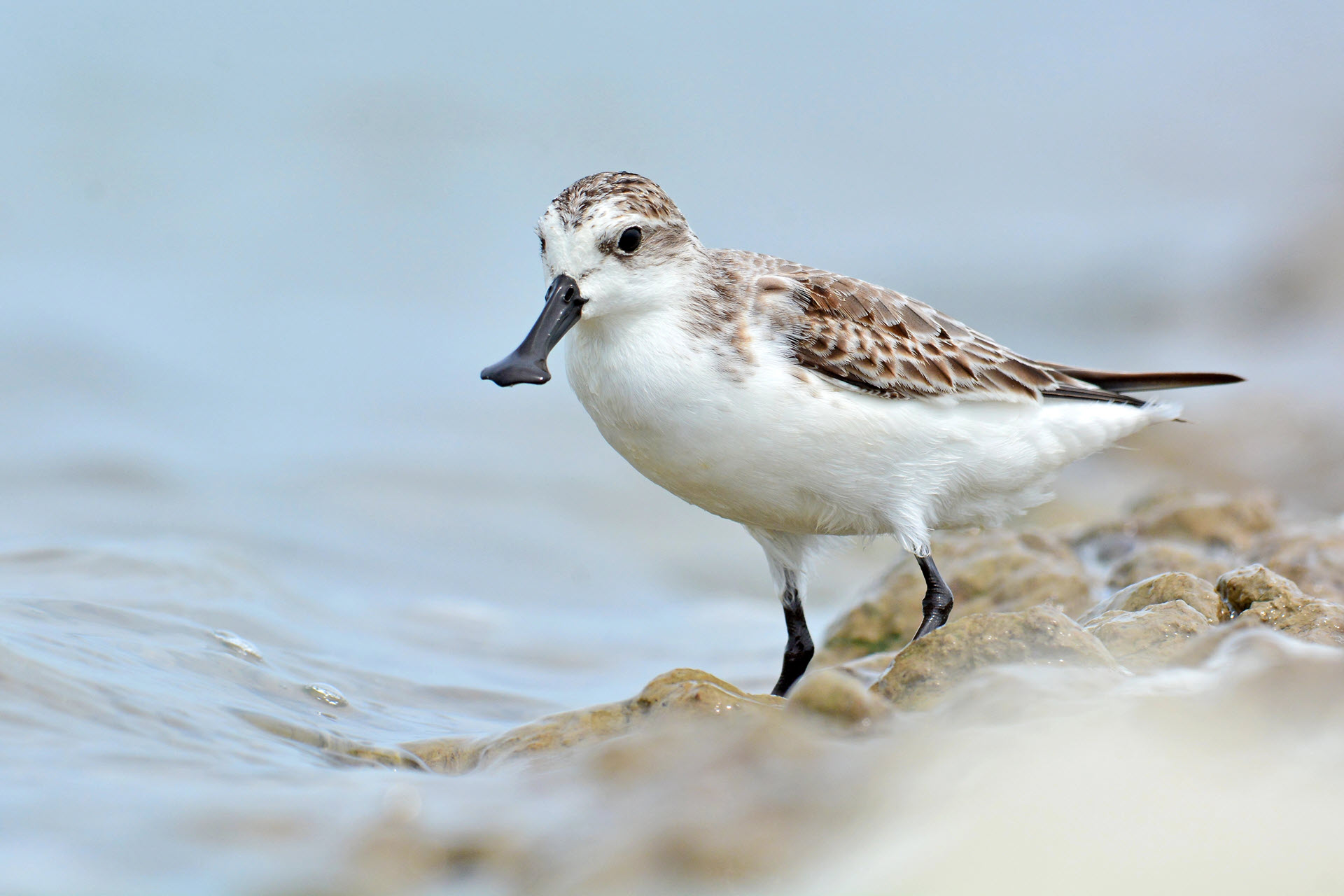
Image: The Critically Endangered spoon-billed sandpiper
Endangered Species Explained
An endangered species is a plant or animal that faces a high risk of extinction in the wild. When a species becomes endangered, its population has fallen to very low levels or is declining so quickly that it may disappear without protection and conservation efforts.
Scientists around the world monitor wildlife populations to understand which species are thriving and which are in danger. Not all species have been evaluated. One of the most widely used systems for tracking this information is the IUCN Red List, which classifies species based on their risk of extinction.
Protecting endangered species is important because every species plays a role in its ecosystem. When one species disappears, it can affect many others and change the balance of nature.
Global Endangered Species Statistics
More than 44,000 species are threatened with extinction.
According to the IUCN Red List, over 44,000 species worldwide are currently classified as threatened with extinction.
This category includes species listed as Vulnerable, Endangered, or Critically Endangered.
Over 157,000 species have been assessed
Scientists have evaluated more than 157,000 species to determine their conservation status. Not all species have been studied yet, so the real number of threatened species is likely higher.
Amphibians are the most threatened group of vertebrates
Among major animal groups, amphibians (frogs, salamanders, and caecilians) face the highest risk of extinction.
Approximate share of threatened species by group:
- Amphibians: about 40% of species threatened
- Mammals: about 27% threatened
- Reptiles: about 21% threatened
- Birds: about 13% threatened
Amphibians are particularly vulnerable because they often depend on specific freshwater habitats and are sensitive to pollution, disease, and climate change.
Insects and invertebrates are less studied
Most species on Earth are invertebrates, such as insects, mollusks, and crustaceans. However, many have not yet been assessed, so scientists believe a large number of threatened species may still be undocumented.
Plants are also heavily affected
More than 40% of plant species are estimated to be at risk of extinction due to habitat loss, climate change, and invasive species.
Why Do Animals Become Endangered
Many different factors can cause wildlife populations to decline. In most cases, species become endangered because of a combination of human activity and environmental changes.
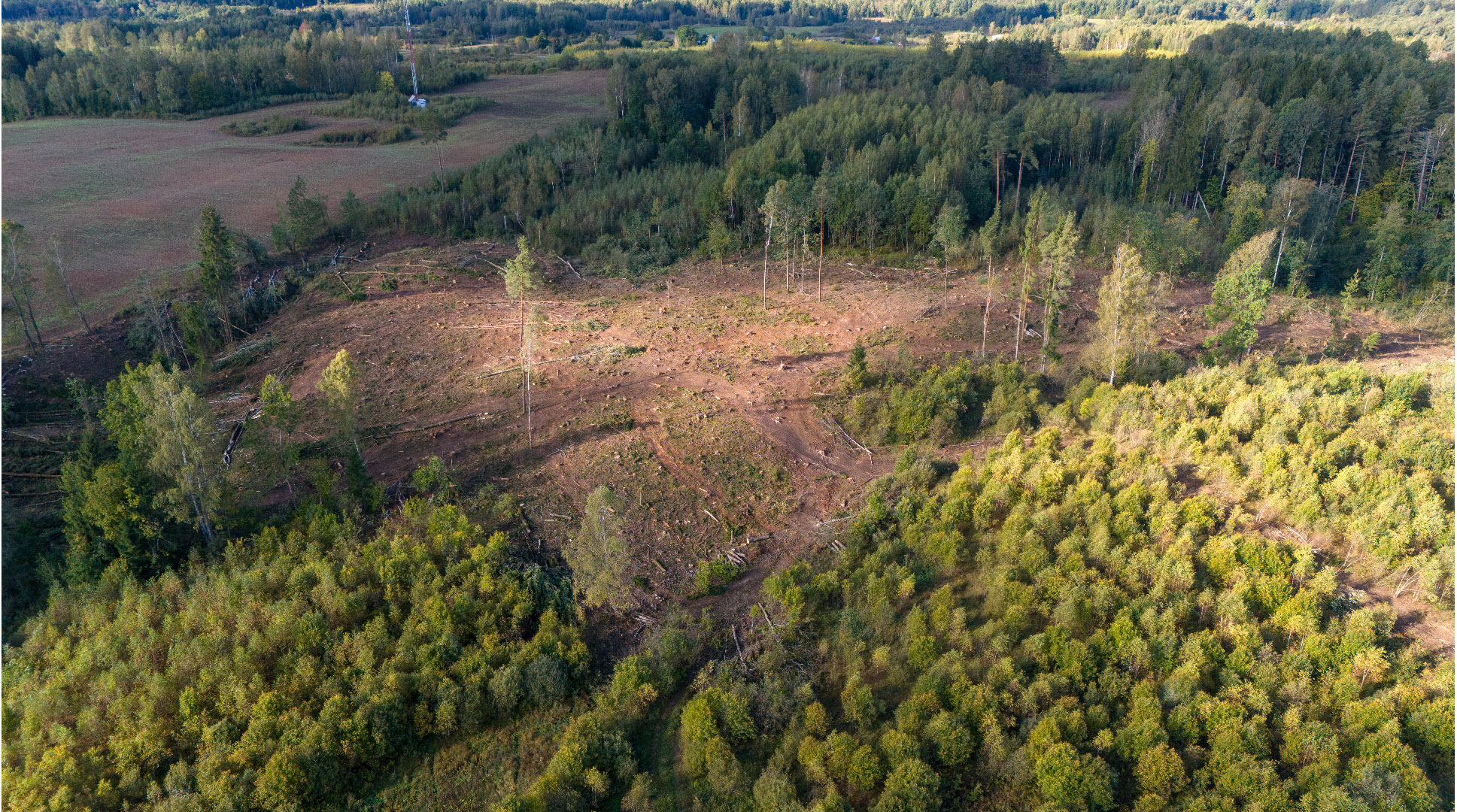
Image: Habitat loss caused by deforestation.
Climate Change
Changes in temperature, rainfall patterns, and ocean conditions can affect food supplies and habitats. Some species struggle to adapt to these changes, especially when they happen quickly.
Pollution
Chemicals, plastics, and other forms of pollution can harm animals directly or damage the environments they rely on.
Conservation Status Categories
Scientists use several categories to describe how close a species is to extinction. The IUCN Red List is the most widely recognized system for evaluating the conservation status of species around the world.
 Species that are still common and widely distributed in nature.
Near Threatened
Species that may become endangered in the near future if current trends continue.
Vulnerable
Species that are experiencing population declines and face a higher risk of extinction.
Endangered
Species with very small populations or rapidly declining numbers.
Critically Endangered
Species that are extremely close to extinction in the wild.
These categories help scientists and conservation organizations decide which species need the most protection.
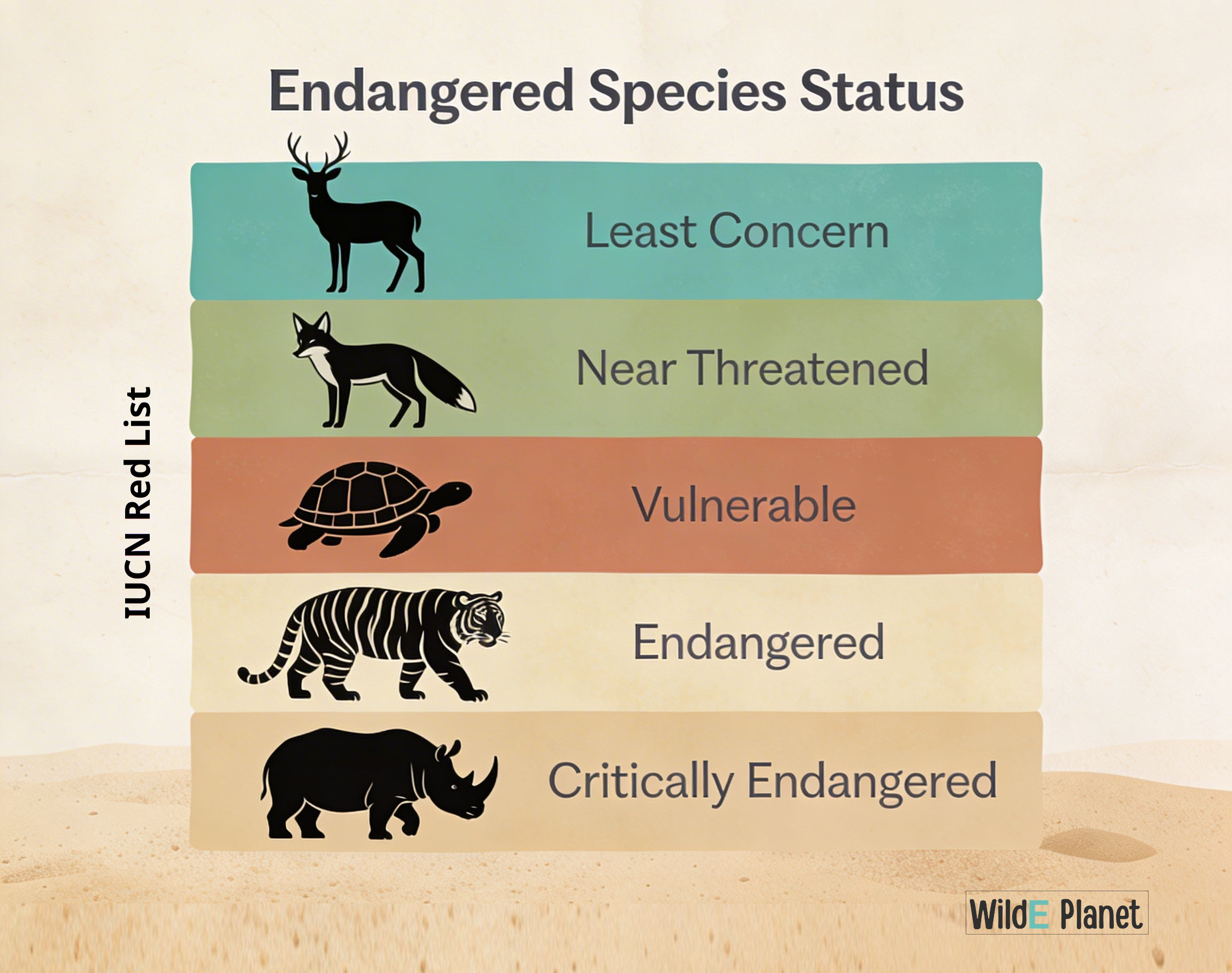
Key IUCN Red List conservation status categories.
Source: IUCN Red List.
Examples of Endangered Species
Many animals around the world are currently listed as endangered or critically endangered. The following examples represent different regions and ecosystems.
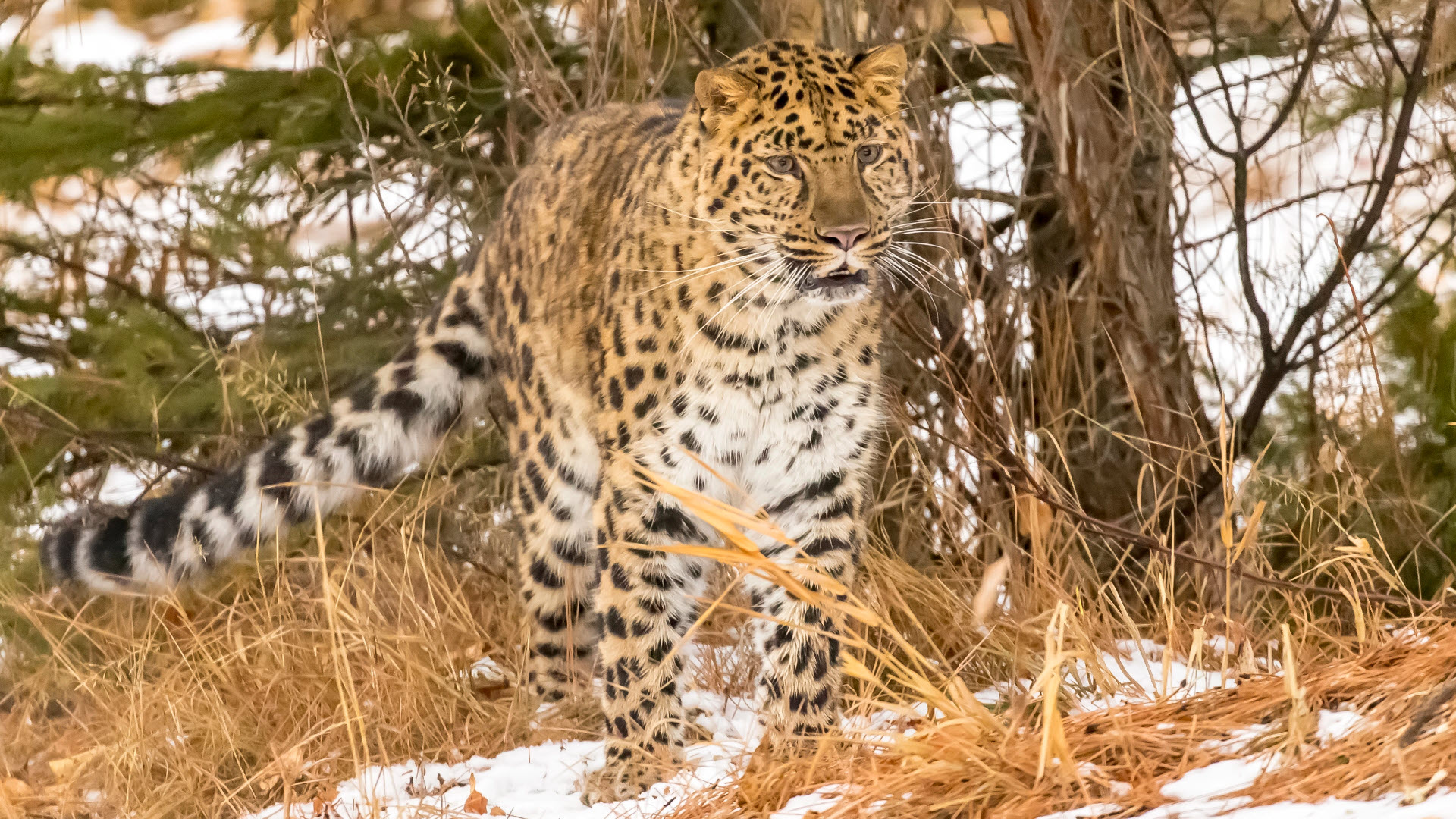
Amur Leopard
The Amur leopard is one of the rarest big cats in the world. It lives in the forests of eastern Russia and northern China. Habitat loss and poaching nearly caused the species to disappear, but conservation programs are helping its population slowly recover.
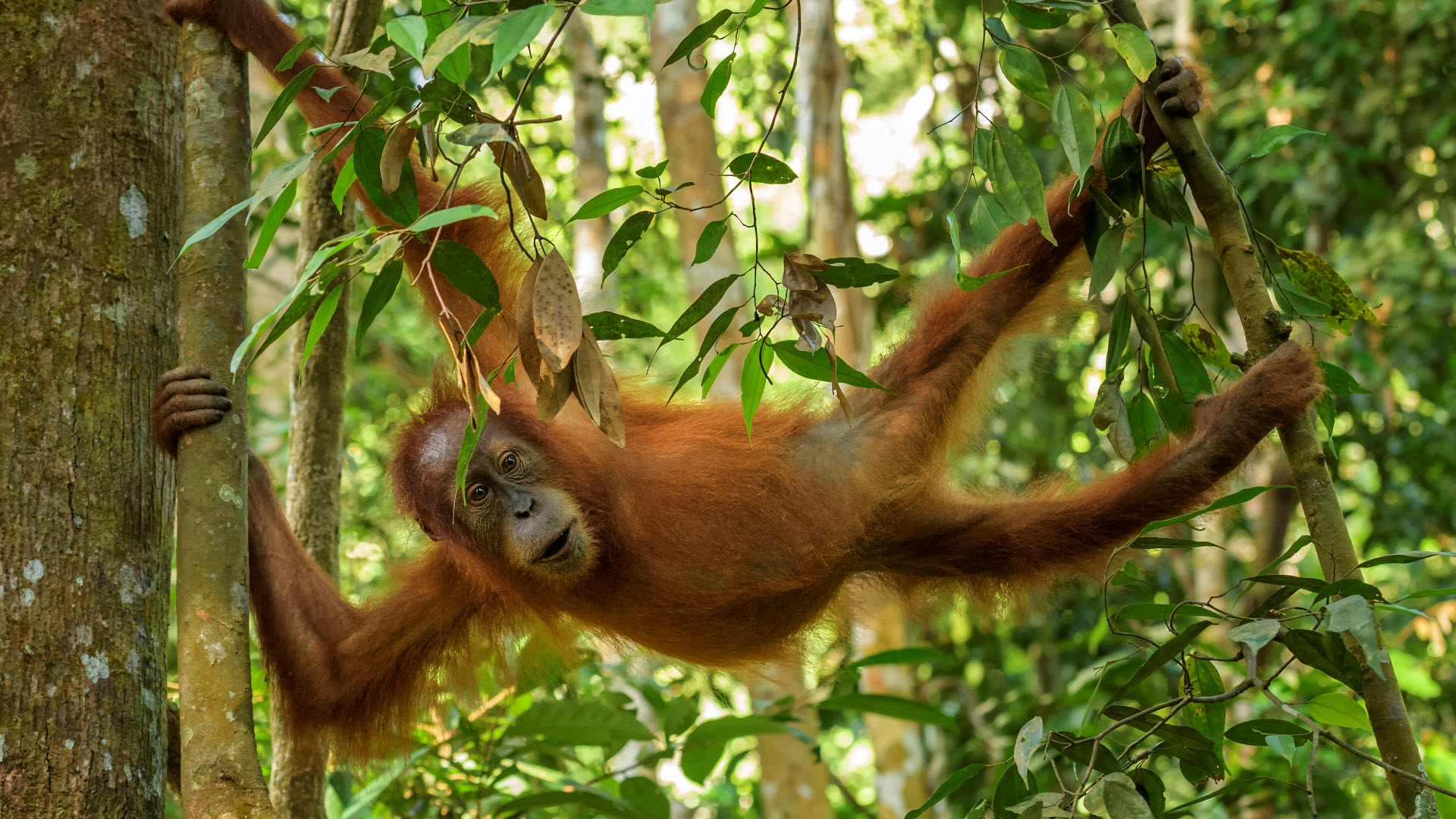
Sumatran Orangutan
Sumatran orangutans live in the rainforests of Indonesia. These highly intelligent primates are threatened mainly by deforestation, especially when forests are cleared for agriculture.
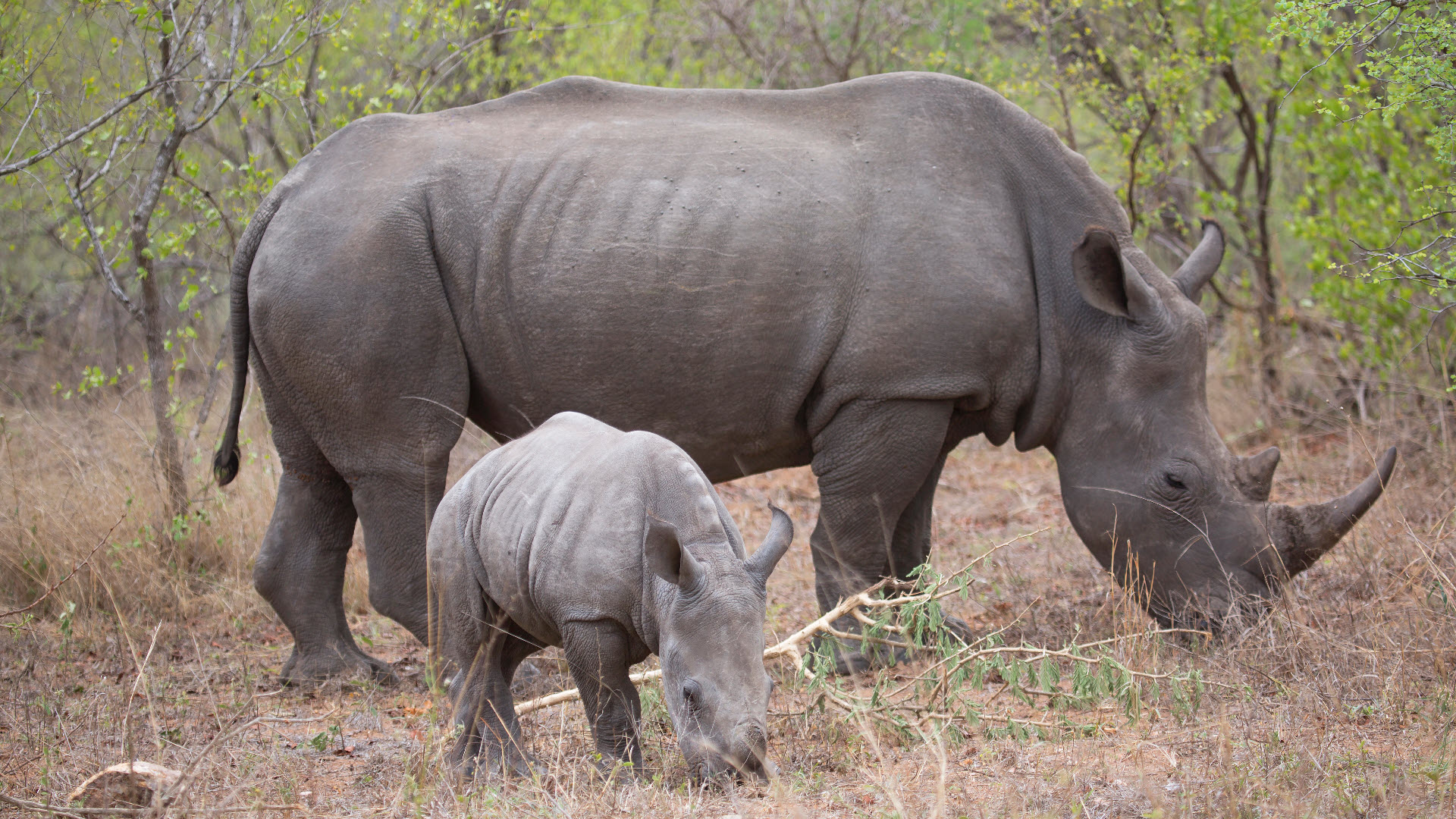
Black Rhino
Black rhinos once lived across much of Africa. Today their populations are much smaller due to illegal hunting for their horns. Strong protection efforts have helped some populations grow again.
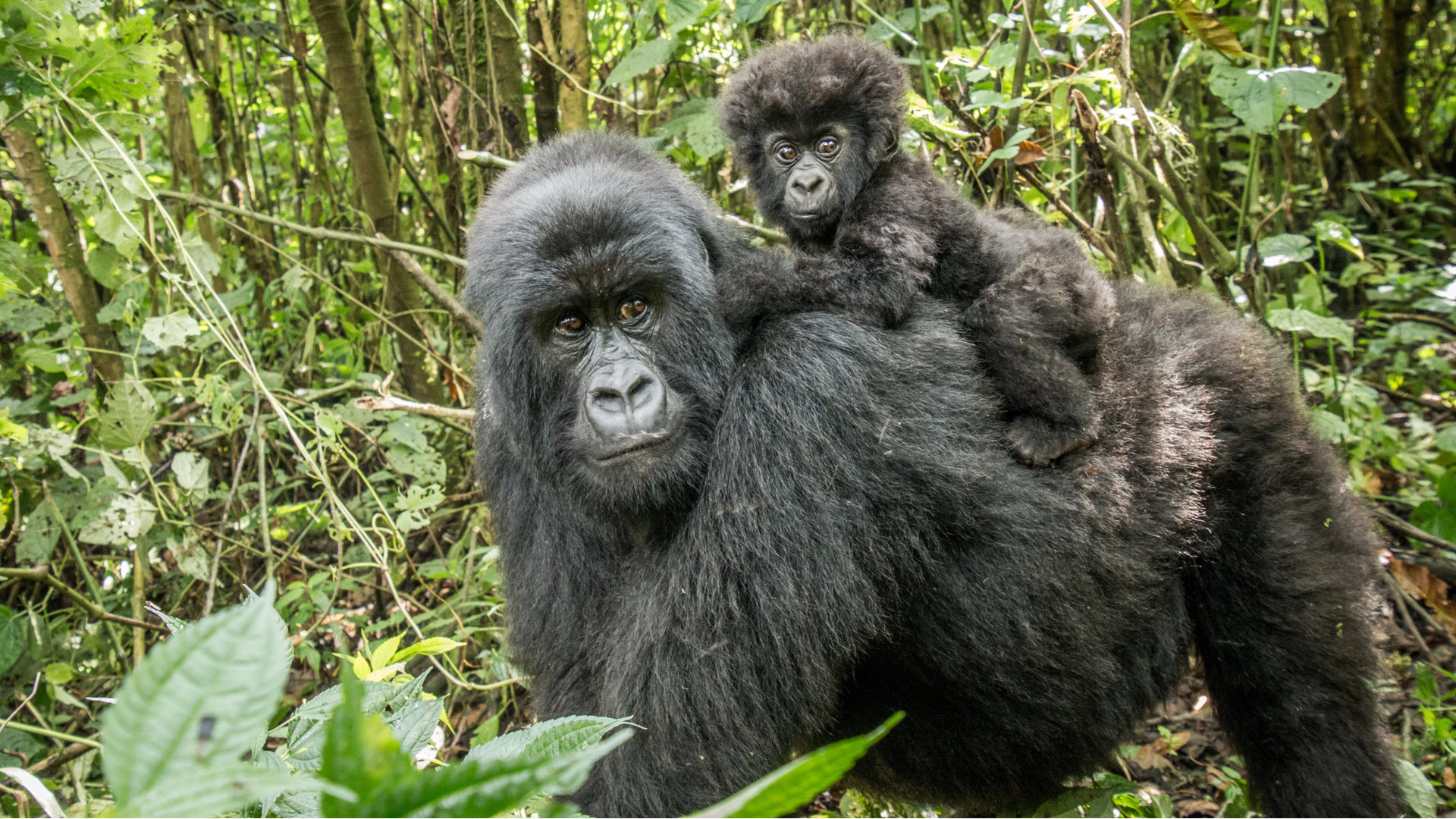
Mountain Gorilla
Mountain gorillas live in the forests of central Africa. Conservation programs and protected parks have helped their numbers slowly increase in recent years.
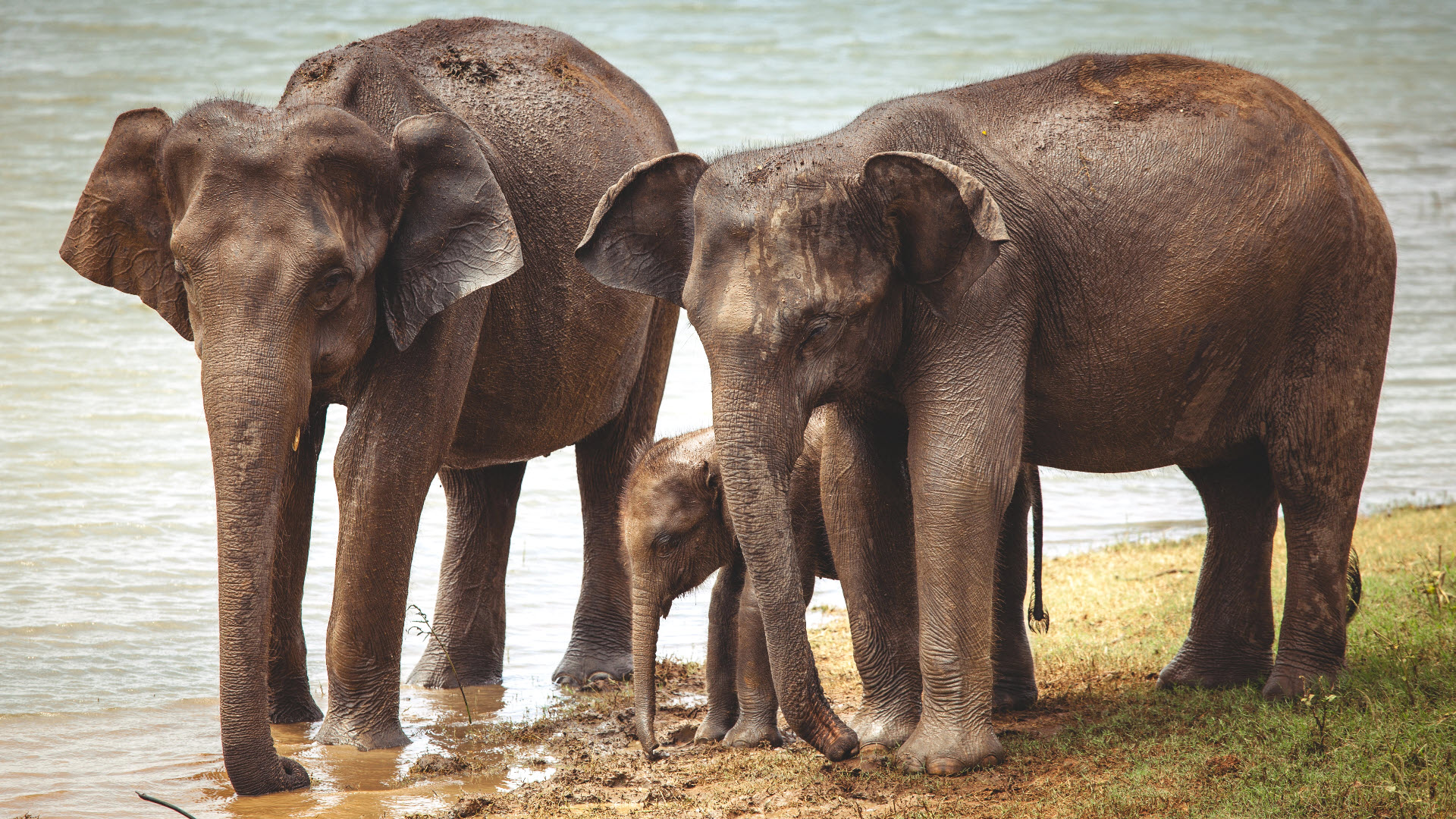
Asian Elephant
Asian elephants live across parts of South and Southeast Asia. Habitat loss and conflict with humans are among the biggest threats to their survival.
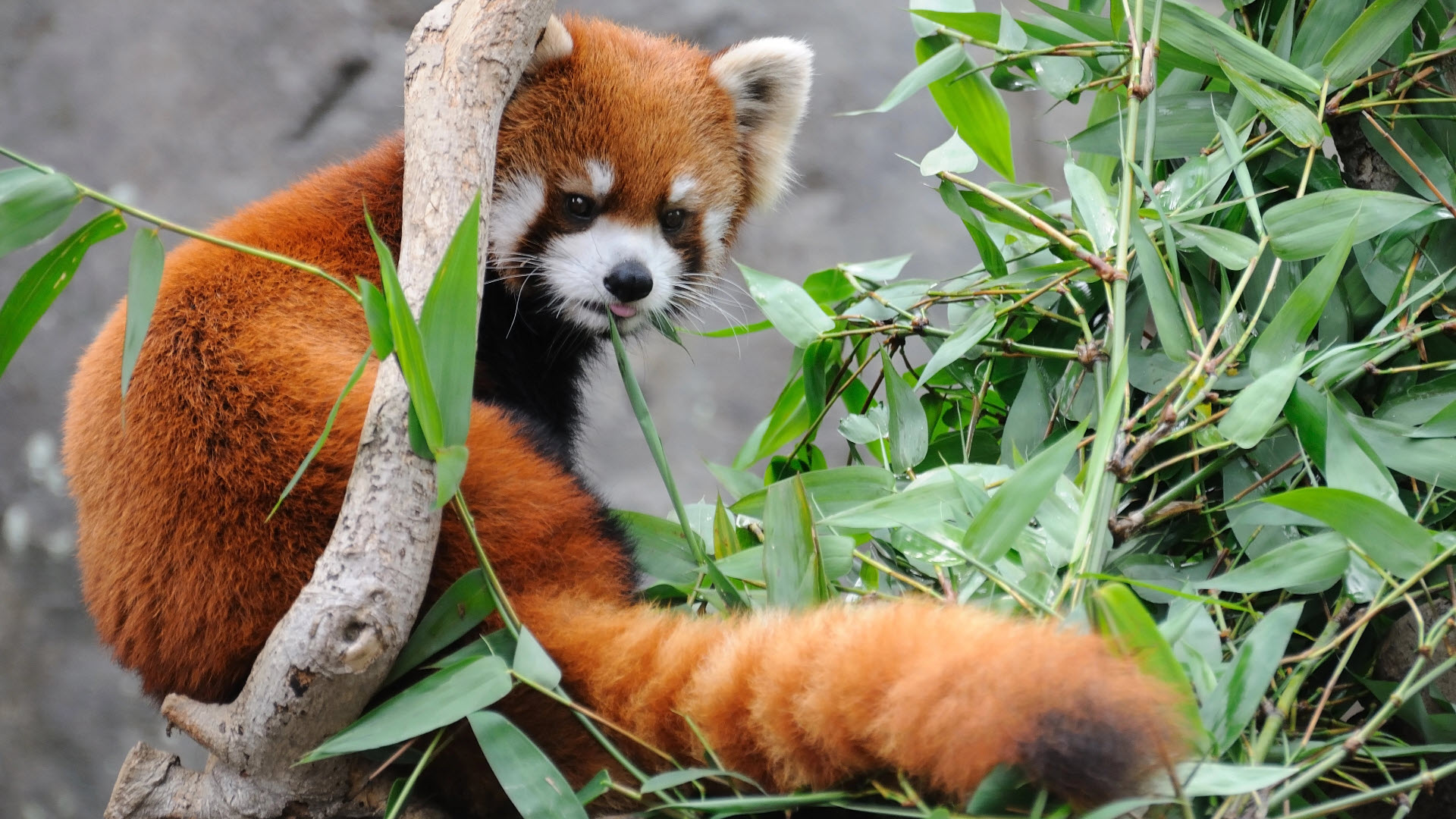
Red Panda
Red pandas live in mountain forests of the Himalayas and parts of China. Habitat loss and fragmentation have reduced their populations.
Interesting Facts About Endangered Species
Endangered species are animals and plants that face a high risk of extinction in the wild. Around the world, thousands of species are now classified as endangered or critically endangered. Scientists study these species closely to understand why populations are declining and how they might be protected.
Here are a few interesting facts about endangered species and conservation efforts.
Many species disappear before they are even discovered
Scientists estimate that millions of species live on Earth, but only a fraction have been formally identified. Some species become endangered—or even extinct—before scientists have the chance to study them.
Habitat loss is the biggest threat
The most common reason species become endangered is habitat loss. Forests, wetlands, grasslands, and coral reefs are often cleared or altered for farming, cities, and roads. When habitats disappear, the animals and plants that depend on them may struggle to survive.
Some endangered species have very small populations
Certain species have populations of only a few hundred—or even fewer—individuals left in the wild. When populations become this small, it becomes harder for the species to recover because there are fewer breeding individuals.
Endangered species live in every type of habitat
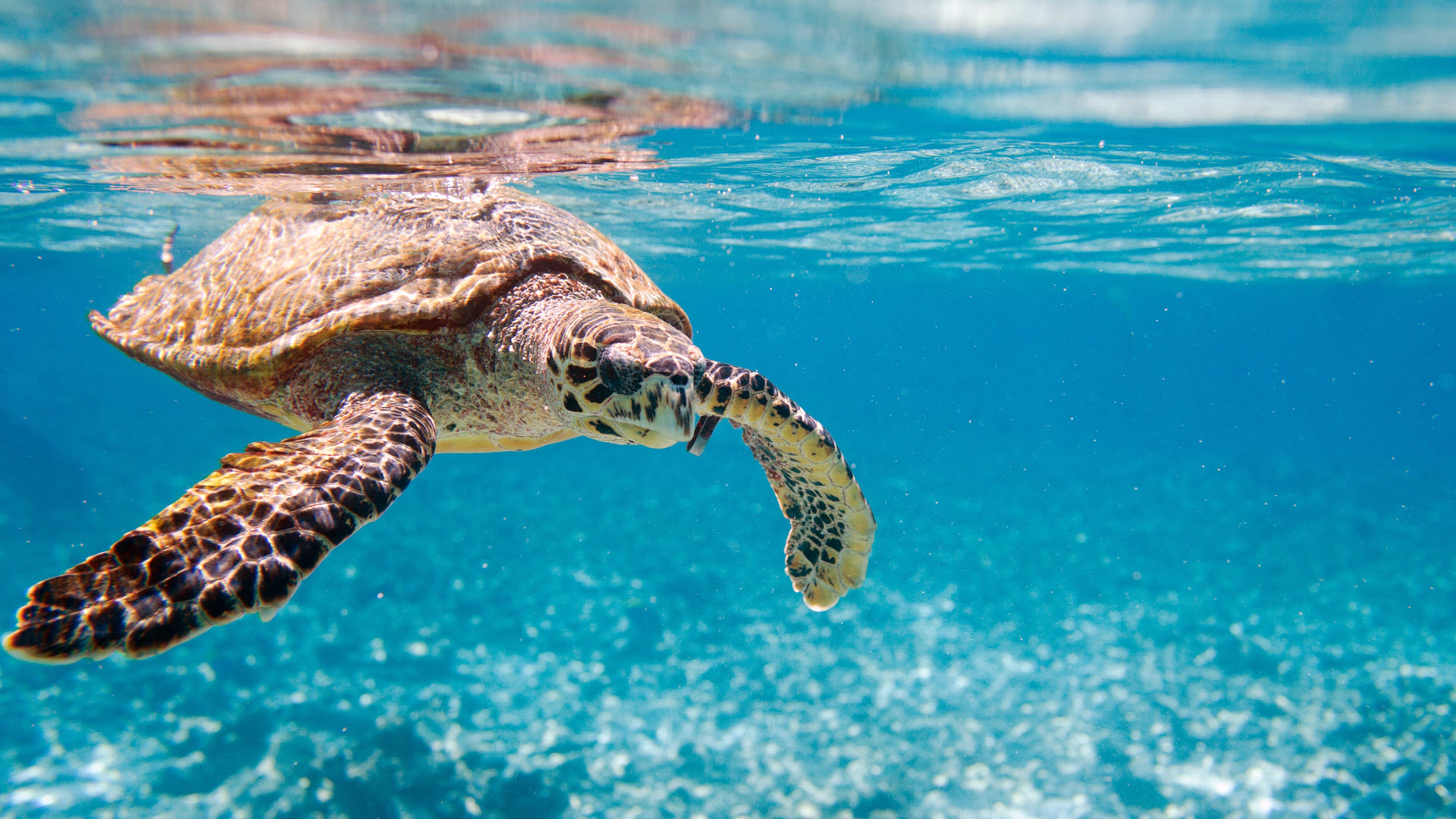
Endangered species are found all over the planet. They live in rainforests, deserts, mountains, oceans, and polar regions. Even familiar animals like big cats, elephants, and sea turtles face conservation challenges in parts of their natural range.
Conservation efforts can help species recover
In some cases, strong conservation programs have helped endangered species rebound. Protecting habitats, reducing hunting, and managing breeding programs can allow populations to grow again over time.
Protecting one species can help many others
When conservation programs protect the habitat of an endangered species, they often help many other plants and animals living in the same ecosystem.
Although extinction is a natural process, human activities are accelerating species loss far beyond historical rates, making conservation efforts increasingly important for protecting biodiversity.
Why Preventing Extinction is Important
Every species plays an important role in its ecosystem. Animals help control populations, pollinate plants, spread seeds, and maintain the balance of nature.
When a species disappears, the effects can spread throughout the food web. For example, predators such as wolves or big cats help keep herbivore populations in balance. Without predators, plant life can become overgrazed and ecosystems can change dramatically.
Even smaller animals and insects can be essential for pollination, soil health, and nutrient cycles.
Protecting endangered species helps preserve biodiversity, the variety of life on Earth that keeps ecosystems healthy and functioning.
Conservation Success
Although many species face serious threats, conservation efforts have also helped several animals recover from the brink of extinction.
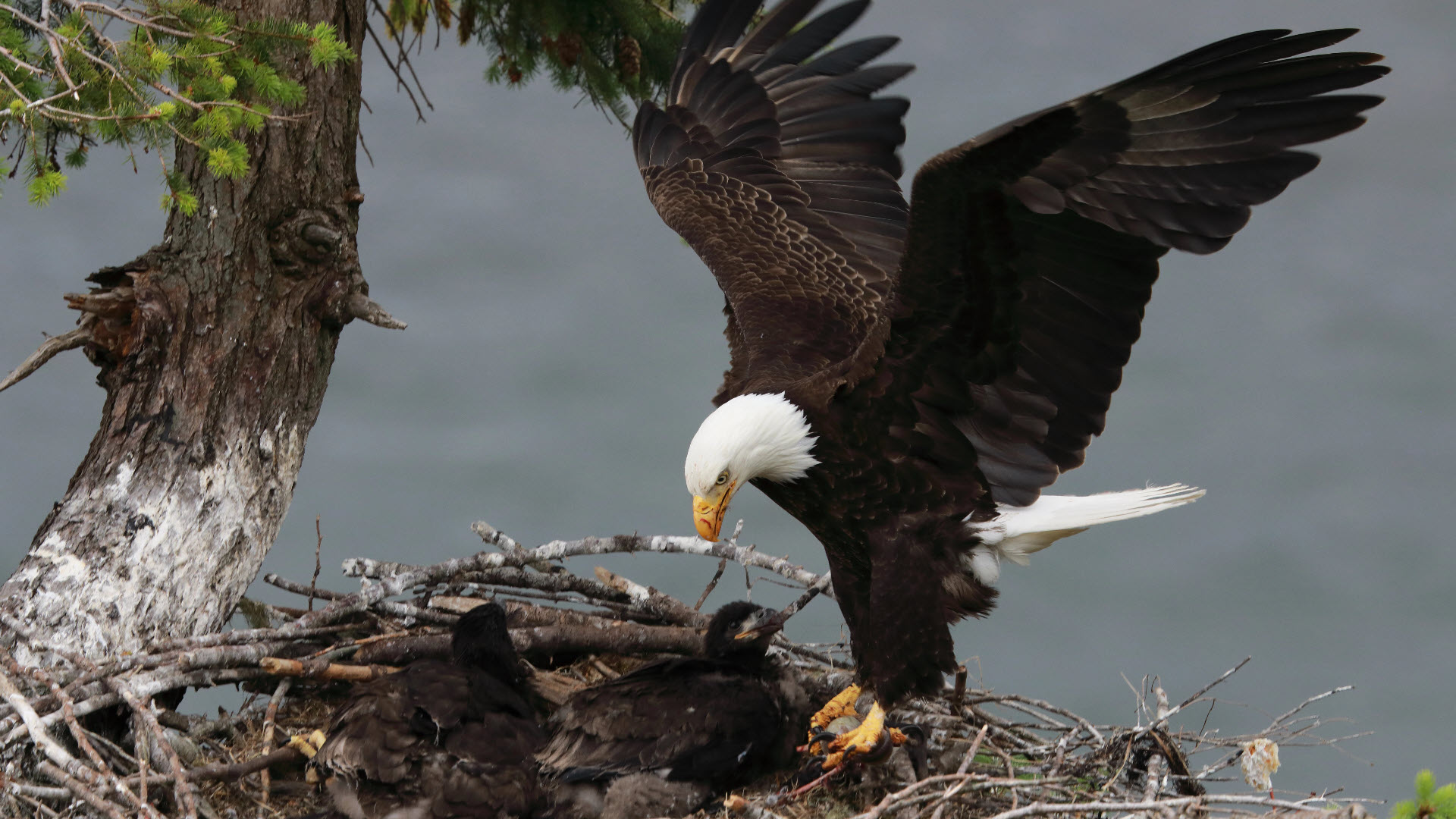
Bald Eagle
The bald eagle population declined sharply in the mid-20th century due to habitat loss and pesticides. Strong protections and environmental laws helped the species recover across North America.
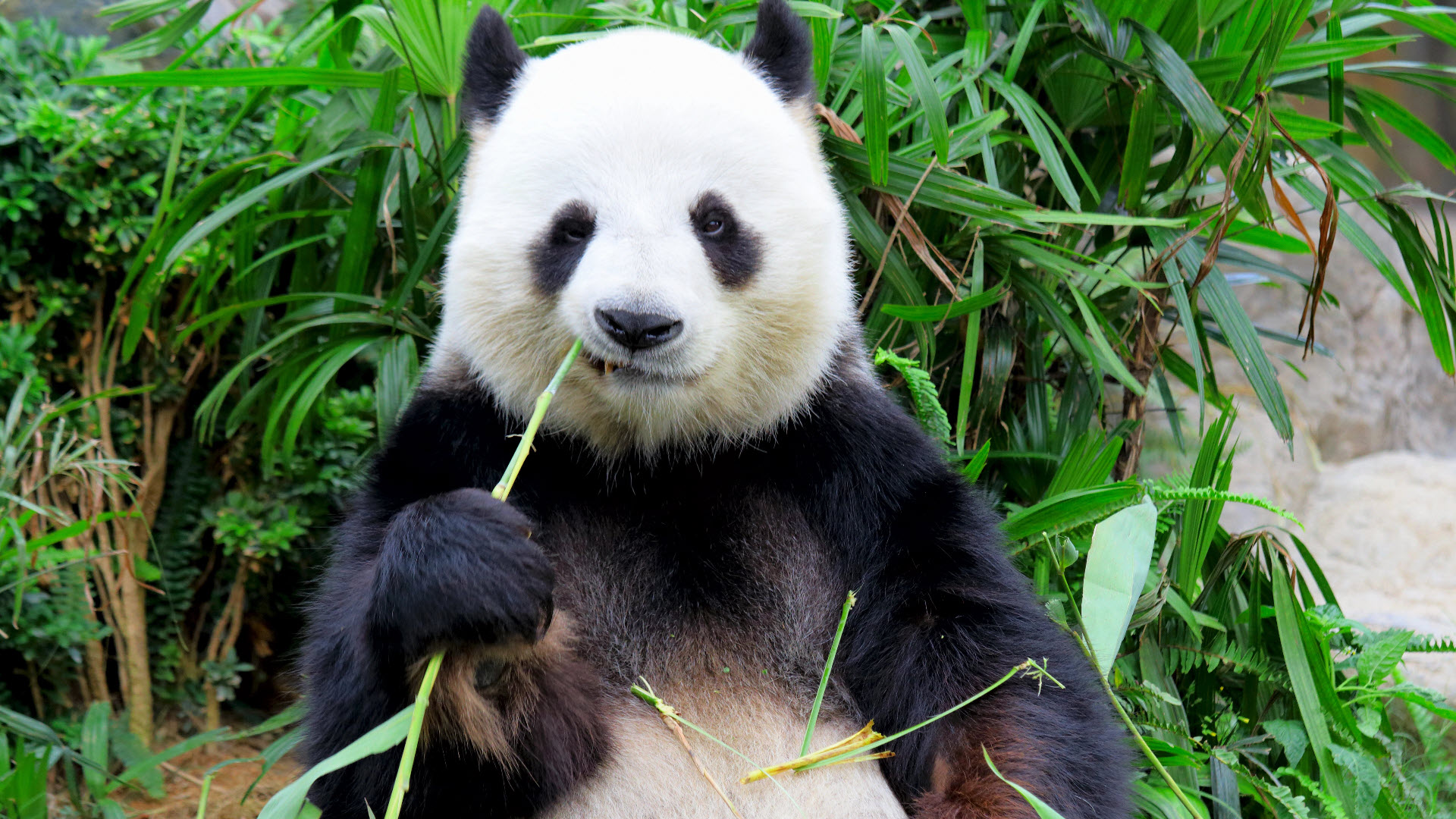
Giant Panda
China established protected reserves and conservation programs to protect pandas and their bamboo forests. As a result, panda populations have grown in recent decades.
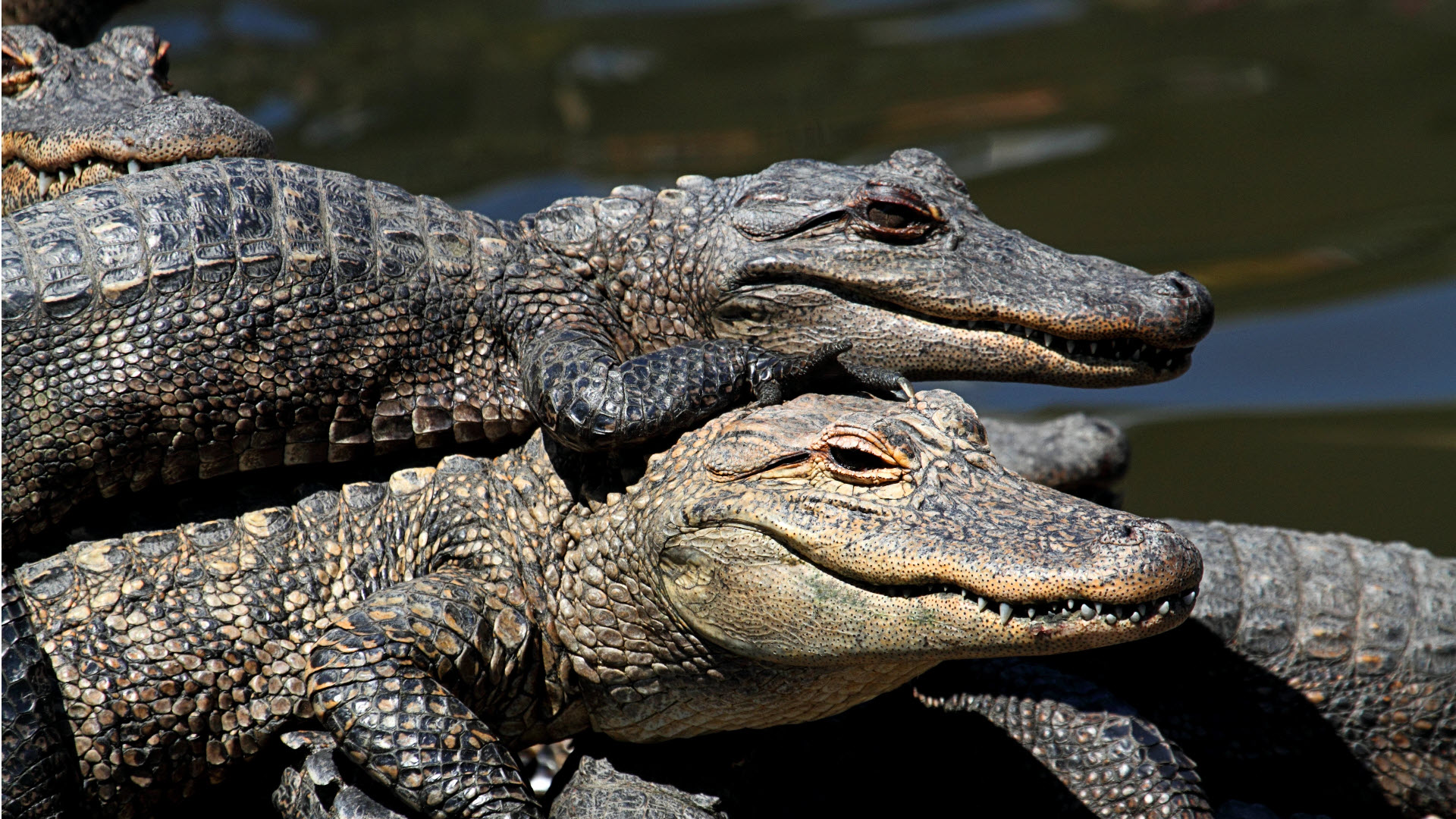
American Alligator
The American alligator was once endangered due to overhunting. Strict protection laws allowed the species to recover, and it is now considered a conservation success story.
These examples show that conservation programs can work when wildlife and habitats are protected.
How Endangered Species Are Protected
Countries around the world use different laws and conservation programs to protect wildlife.
In the United States, the Endangered Species Act (ESA) provides legal protection for animals and plants that are at risk of extinction. When a species is listed under the act, it becomes illegal to harm, capture, or trade that species without special permits.
Around the world, conservation efforts include creating protected areas, restoring habitats, preventing illegal hunting, and supporting research that helps scientists understand wildlife populations.
Conservation programs often involve cooperation between scientists, governments, conservation organizations, and local communities.
Protecting Wildlife for the Future
Endangered species remind us that the natural world is constantly changing and that wildlife depends on healthy ecosystems to survive.
By protecting habitats, reducing pollution, and supporting conservation efforts, people can help ensure that many of the world’s most remarkable animals continue to live in the wild for generations to come.
Sources
- International Union for Conservation of Nature – Maintains the global conservation database known as the Red List of Threatened Species.
https://www.iucn.org - IUCN Red List of Threatened Species – The most widely used scientific system for evaluating species extinction risk worldwide.
https://www.iucnredlist.org
Additional Reading
United States Laws and Government Programs
- Endangered Species Act of 1973 – The primary U.S. law protecting threatened and endangered plants and animals and their habitats.
https://www.fws.gov/law/endangered-species-act - U.S. Fish and Wildlife Service – Federal agency responsible for implementing the Endangered Species Act for most terrestrial and freshwater species.
https://www.fws.gov - National Marine Fisheries Service – Manages endangered and threatened marine species under the Endangered Species Act.
https://www.fisheries.noaa.gov
International agreements
- Convention on International Trade in Endangered Species of Wild Fauna and Flora (CITES) – International agreement regulating trade in endangered wildlife and plants. https://www.cites.org
- Convention on Biological Diversity – Global treaty focused on biodiversity conservation and sustainable use of natural resources. https://www.cbd.int