
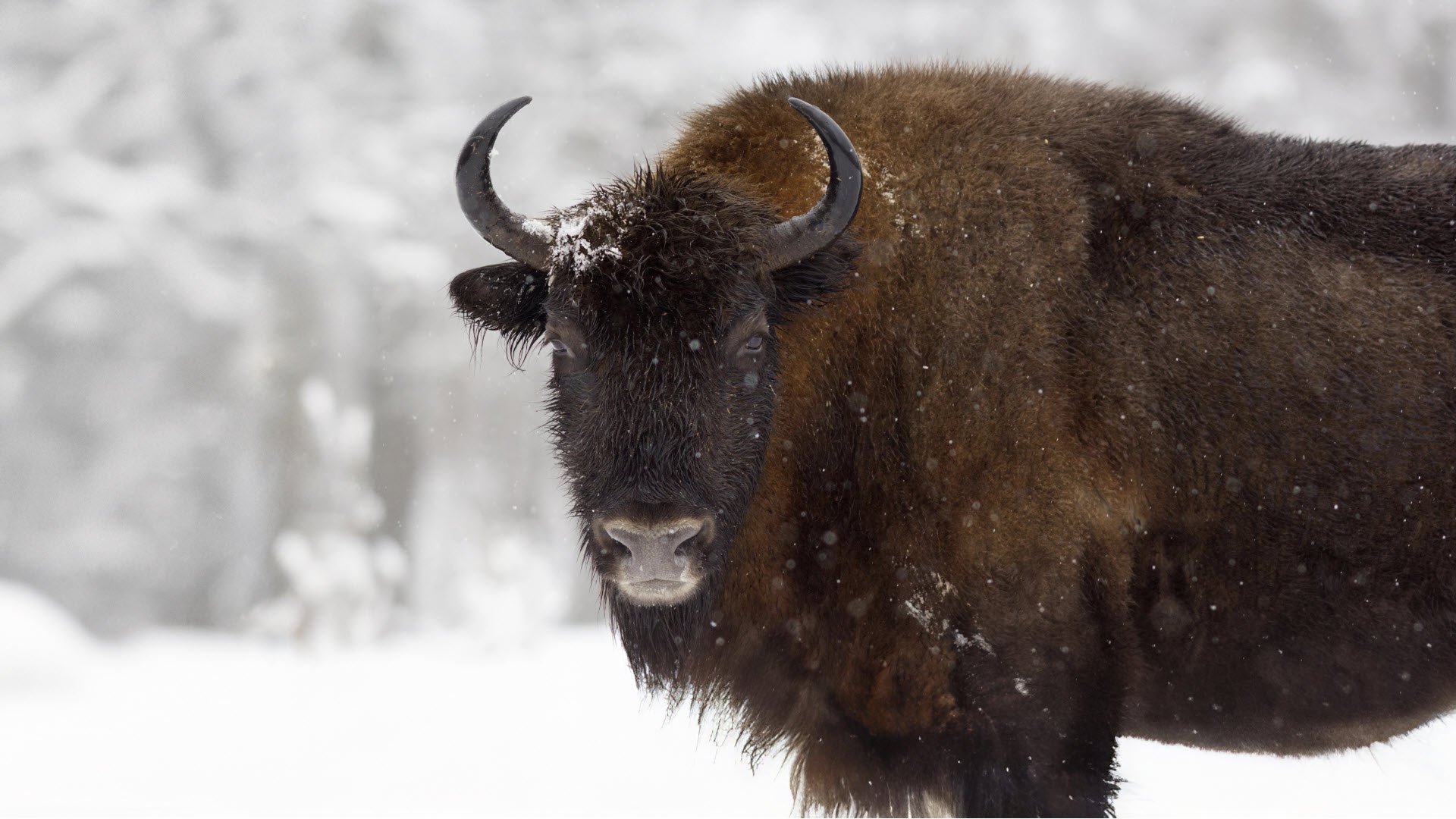
A wild animal is an animal that lives independently in nature rather than being domesticated and cared for by people. Wild animals find their own food, shelter, and mates and have adaptations that help them survive in their natural habitats. You can find wild animals in nearly every natural enviornment on Earth, from deep oceans to mountain forests and deserts.
Word Origin
The word animal comes from the Latin word animalis, which means “having breath” or “living being.” It is related to the Latin word anima, meaning “breath,” “soul,” or “life.” In ancient times, people believed that breathing was one of the clearest signs that a creature was alive. Today the word animal refers to members of the biological kingdom Animalia, a group of living organisms that move, eat food, grow, and reproduce.
Kingdom
Animalia
Class
There are 107 classes in 24 phyla in the Animal kingdom.
Species
Approximately 1.5 million animal species have been formally described, with a possible total number of over 8 million different species.
About Animals
Animals are living organisms found in nearly every environment on Earth, from deep oceans and tropical forests to deserts, mountains, rivers, and polar regions. They include millions of species with an extraordinary variety of body forms, behaviors, adaptations, and ways of surviving.
Wild Animals and Domesticated Animals
Wild animals live independently in natural environments and find their own food, shelter, and mates. Domesticated animals have been bred and cared for by people over many generations and often depend on people for food, shelter, and protection.
Animal Classification
Scientists classify animals into groups based on their characteristics, body structure, relationships, and evolutionary history. Classification helps us understand the enormous diversity of animal life and how different animals are related.
Vertebrates and Invertebrates
Animals are commonly divided into two broad groups: vertebrates, which have a backbone, and invertebrates, which do not. Vertebrates include mammals, birds, reptiles, amphibians, and fish. Invertebrates include insects, spiders, mollusks, crustaceans, corals, and many other groups.
History of Animals
Animals have inhabited Earth for hundreds of millions of years. Over time, evolution produced an enormous diversity of animal life adapted to oceans, land, freshwater, the air, and some of Earth’s most extreme environments.
Animal Geography
Animals are not distributed evenly around the planet. Geography, climate, oceans, mountains, isolation, and evolutionary history all help determine where different species are found.
Learn More About Animal Geography
Animal Habitats
A habitat is the environment where an animal lives and finds the resources it needs to survive. Forests, grasslands, deserts, wetlands, freshwater environments, oceans, mountains, and polar regions support very different communities of wildlife.
Ecosystems
Animals are part of larger ecosystems in which living organisms interact with each other and with water, soil, sunlight, climate, and other parts of their physical environment.
Endangered Animals
Many animal populations are declining because of habitat loss, exploitation, pollution, climate change, invasive species, and other pressures. Understanding which species are threatened and why is an important part of understanding wildlife today.
Learn About Endangered Animals
Wildlife Conservation
Wildlife conservation focuses on protecting animals, their habitats, biodiversity, and the natural systems upon which wildlife and people depend.
Interesting Animal Facts
From the enormous blue whale to tiny insects, the animal kingdom is filled with remarkable adaptations, abilities, behaviors, and records.
Discover Interesting Animal Facts
Explore Wildlife
Ready to explore wildlife in greater detail? Visit WildE Planet’s wildlife communities to discover sharks, wild cats, penguins, elephants, turtles, and more.
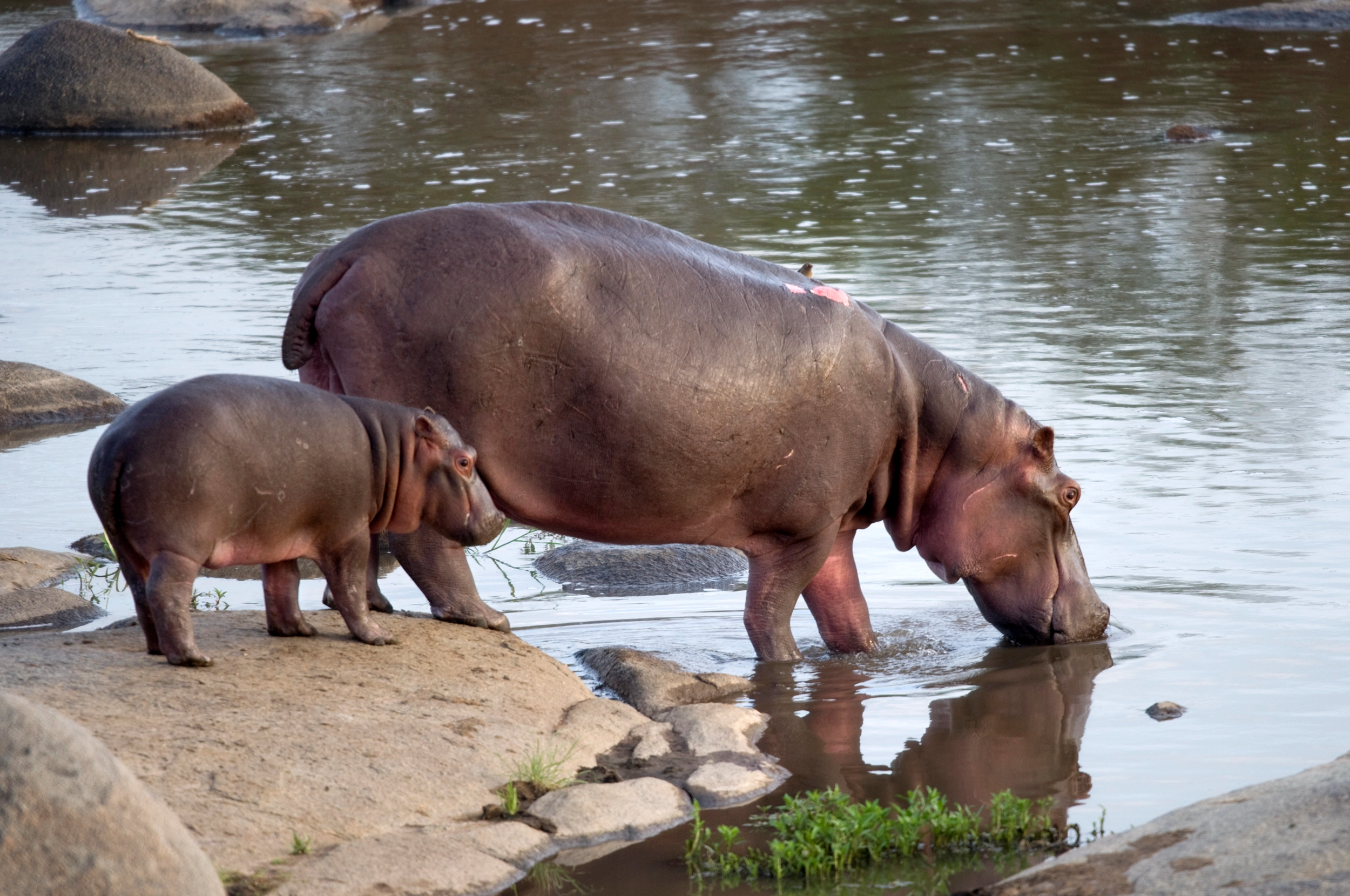
Image: Hippos are large land mammals. They share a common ancestor with whales and porpoises, and are believed to have evolved around 55 million years ago.