
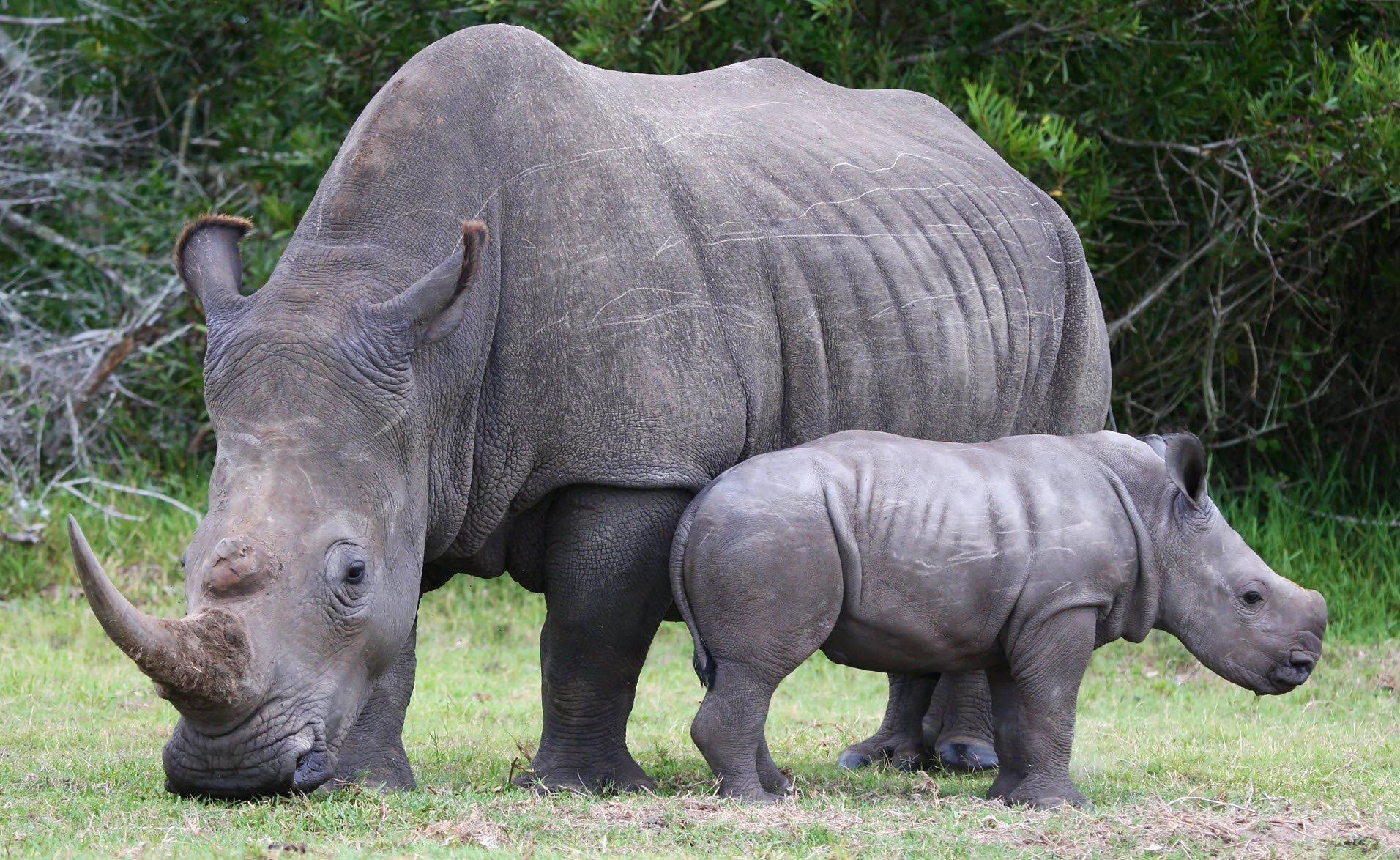
Wildlife conservation is the effort to protect animals and the environments they live in so the natural systems people depend on—such as clean water, food production, and stable environments—continue to function over time.
Animals are not separate from these systems. They are part of how they work. By feeding, moving, pollinating, and recycling nutrients, animals help keep air, water, soil, and plant life in balance.
Protecting wildlife is not only about preventing species from disappearing—it is about maintaining the natural processes that support life, including our own.
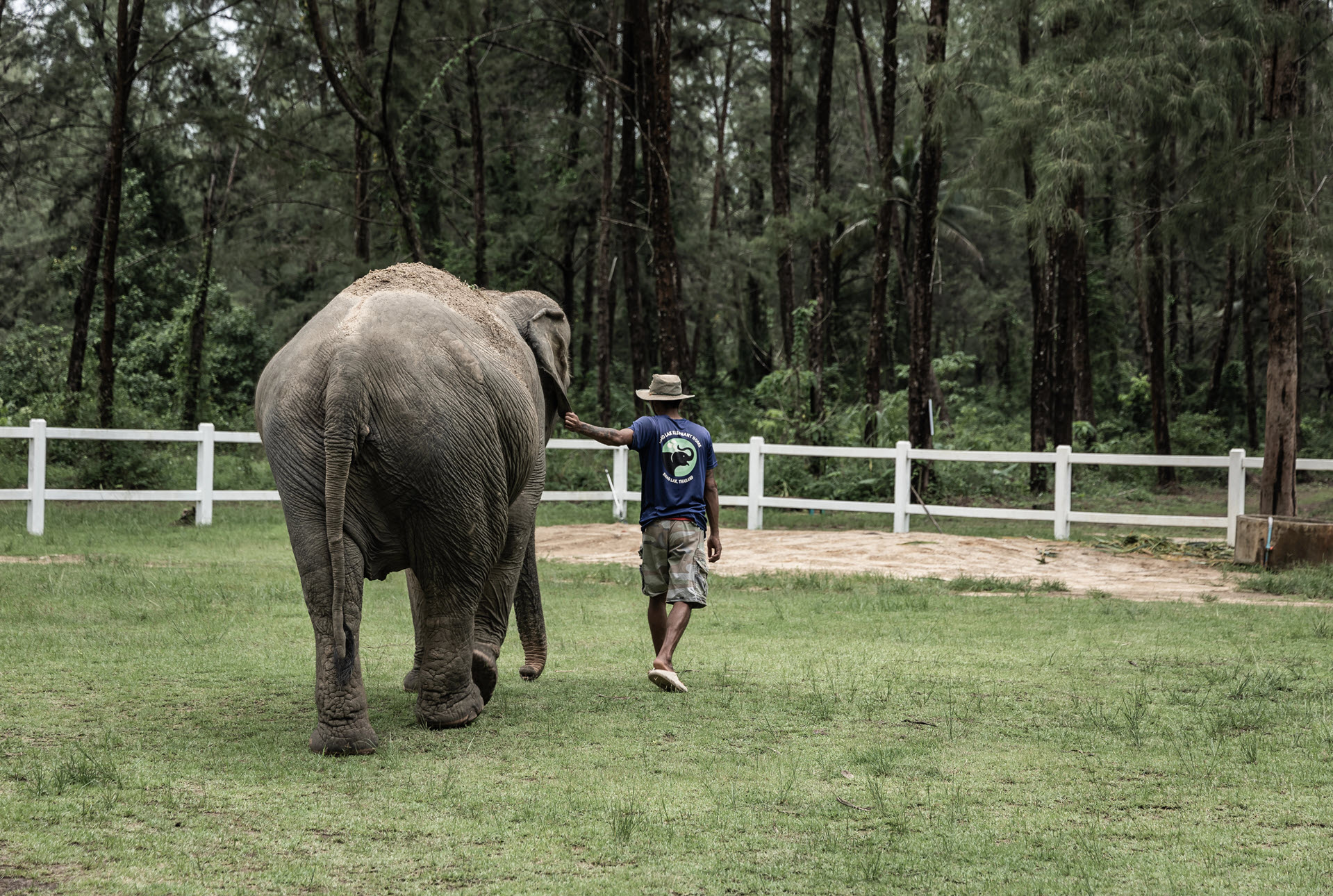
Image: Elephant sanctuary.
Global Wildlife Conservation Facts
Species at Risk
More than 44,000 species are currently listed as threatened with extinction on the IUCN Red List.
Animals and Plants Assessed
Scientists have evaluated over 160,000 species to determine their conservation status.
Vertebrate Population Decline
Global wildlife populations of mammals, birds, fish, reptiles, and amphibians have declined by an average of about 69% since 1970, according to the Living Planet Report.
Habitat Loss
Habitat destruction is the largest threat to wildlife, affecting most endangered species worldwide.
Protected Areas
More than 17% of Earth’s land and about 8% of the oceans are currently designated as protected areas.
Conservation Overview
The goal of conservation is to protect and manage the natural resources that people depend on—air, water, soil, plants, and animals—so they continue to function and support human life over time.
These natural resources work together in connected ways:
- Air supports breathing and helps regulate temperature and climate.
- Water is needed for drinking, agriculture, and all living systems.
- Soil supports plant growth and food production.
- Plants produce food and oxygen and help regulate water and climate.
- Animals play roles in food chains, population balance, and the movement of nutrients.
When these resources are working together and functioning well, they provide the conditions people depend on every day.
When they are damaged or disrupted, food, water, and living conditions can become less stable and more difficult.
Animal Conservation
Animals are part of various systems that keep environments functioning, including:
- Preventing prey populations from growing too large.
- Spreading seeds, pollinate plants, or break down organic material, which returns nutrients to the soil and supports new plant growth.
Many animals have been given a conservation status, such as Vulnerable, Threatened, or Endangered. These terms are used by scientists and conservation organizations to describe animals and plants that are at risk of disappearing from the wild. When a species declines too far, it can eventually become extinct, meaning it no longer exists anywhere on Earth.
Protecting wildlife early, before populations become too small to carry out their roles in the ecosystem, is one of the main goals of conservation.
How Wildlife Conservation Works
Wildlife conservation is carried out by different groups working in different ways. Scientists study animal populations to understand how they are changing and what threats they face. Governments create and manage protected areas, such as national parks, and set rules to limit activities that can harm wildlife and habitats.
Local communities also play a role by managing land and natural resources in ways that allow both people and wildlife to continue using them over time. In many places, conservation depends on how land is used day to day.
Education is another part of conservation. It helps people understand how animals, habitats, and natural resources are connected, and how human activities can affect those systems.
There is no single group in charge. Instead, conservation works through different levels, with many groups involved. These levels are 1) international (global), 2) national (countries), and 3) local (communities). Each plays a different role.
1. International Level (Global)
At the global level, organizations help set goals and share information across countries.
Groups like the United Nations and the International Union for Conservation of Nature (IUCN) track endangered species, study global trends, and encourage countries to work together. They also help create agreements about protecting wildlife and natural areas.
However, these organizations do not control countries. They provide guidance and information, but each country decides what actions to take.
#2. National Level
Most conservation decisions are made at the country level.
Governments create laws to protect wildlife, set aside protected areas like national parks, and enforce rules such as anti-poaching laws. They also fund conservation programs and research.
Because governments can make and enforce laws, they have the strongest direct influence on conservation within their borders.
3. Local Level (Communities)
Conservation often depends on what happens at the local level.
Local communities, landowners, and regional governments make everyday decisions about land and wildlife. Indigenous groups also play an important role in protecting natural areas and managing resources.
If local people are not involved or do not support conservation, it is difficult for long-term protection efforts to succeed.
Conservation Examples
Conservation’s purpose is to protect and manage the natural resources that support life. Here are some examples of successful conservation projects.
New York Watershed Protection (USA) → Clean Water
New York City fixed and protected a natural water filtration system instead of replacing it with a man-made one. This natural system now helps provide clean drinking water to millions of people, reducing the need for a costly filtration plant.
- When: 1990s–present (major agreement in 1997)
- What was protected: Catskill/Delaware watershed (forests, streams, and surrounding land)
- What was done: Instead of building a large water filtration plant, New York City improved and protected the natural system that was already filtering its water. That natural system included forests, soil, streams, rivers, and wetlands.Animals in these environments—such as fish, frogs, birds, and insects—help keep these systems balanced. They control populations, support plant growth, and help maintain healthy conditions in water and on land.
By protecting these habitats, the city made it easier for animals to carry out their roles, which helped the natural filtration system function more effectively over time.
Sources
- U.S. Environmental Protection Agency (EPA)
- NYC Department of Environmental Protection
- U.S. Forest Service
Cabo Pulmo Marine Reserve (Mexico) → Fish Recovery
Cabo Pulmo was a heavily fished coastal area where marine life had declined. By protecting the area and stopping fishing, the natural system was able to recover, leading to a large increase in fish populations and overall marine life.
- When: Protected in 1995 (major recovery documented in the 2000s–2010s)
- What was protected: Coastal marine ecosystem (coral reefs, fish populations, surrounding ocean habitat)
-
What was done: Fishing was stopped in the protected area, allowing the natural marine system to recover. In a healthy ocean system, coral reefs, plants, and microscopic organisms support marine life. Coral provides structure and shelter, while smaller organisms form the base of the food system.
Animals in this system—such as small fish, large fish, and other marine species—help keep it balanced. Smaller fish and organisms are eaten by larger fish, which helps control populations. Some species feed on algae and prevent it from overgrowing and damaging coral. Others recycle nutrients through feeding and waste.
By protecting this habitat, the system was able to return to a more balanced state. Fish populations increased, coral health improved, and the overall system became more stable. This allowed the marine ecosystem to function more effectively over time.
Sources
- National Geographic Society
- Scripps Institution of Oceanography
- World Wildlife Fund (WWF)
Mississippi River Wetland Restoration (USA) → Flood Control
Wetlands along the Mississippi River had been reduced over time, limiting their ability to absorb water. By restoring these wetlands, the natural system was strengthened, helping reduce flooding and improve water management.
- When: 1990s–present
- What was protected/restored: Wetlands, floodplains, and river-connected habitats
-
What was done: Wetlands were restored by reconnecting rivers to floodplains and allowing water to spread into natural areas again. In a healthy system, wetlands, soil, and plants absorb and slow down water. Plants and root systems hold soil in place, while wetland areas act like natural storage, holding excess water during heavy rain.
Animals in these environments—such as fish, birds, amphibians, and insects—help keep these systems functioning. Fish use floodplain areas to reproduce, birds help spread plant life, and insects and amphibians are part of the food system that keeps populations balanced.
By restoring these habitats, the system was able to absorb more water and release it more slowly. This reduced pressure on rivers and helped lower the risk of flooding. Supporting these habitats also made it easier for animals to carry out their roles, which helped the overall system function more effectively over time.
Sources
- U.S. Geological Survey (USGS)
- U.S. Fish & Wildlife Service
- The Nature Conservancy
Wildlife Conservation Problems
Here are some of the main wildlife conservation issues.
Habitat Loss
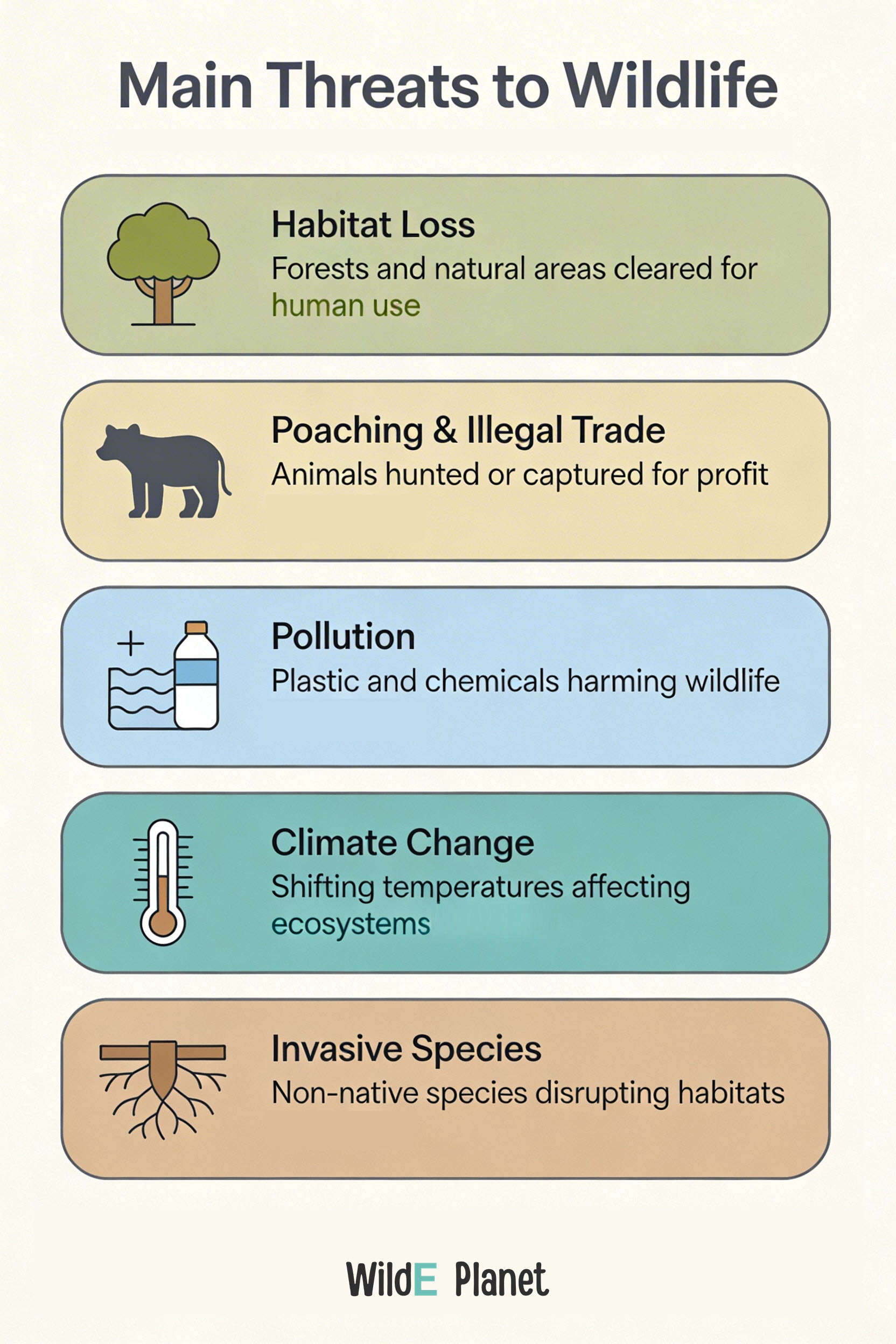
One of the biggest threats to wildlife is the loss of natural habitat. Forests, grasslands, wetlands, and other ecosystems are sometimes cleared for farming, development, or infrastructure. When animals lose the places where they live, hunt, and raise their young, their populations can decline quickly. Even small changes to a habitat can disrupt delicate ecological relationships.
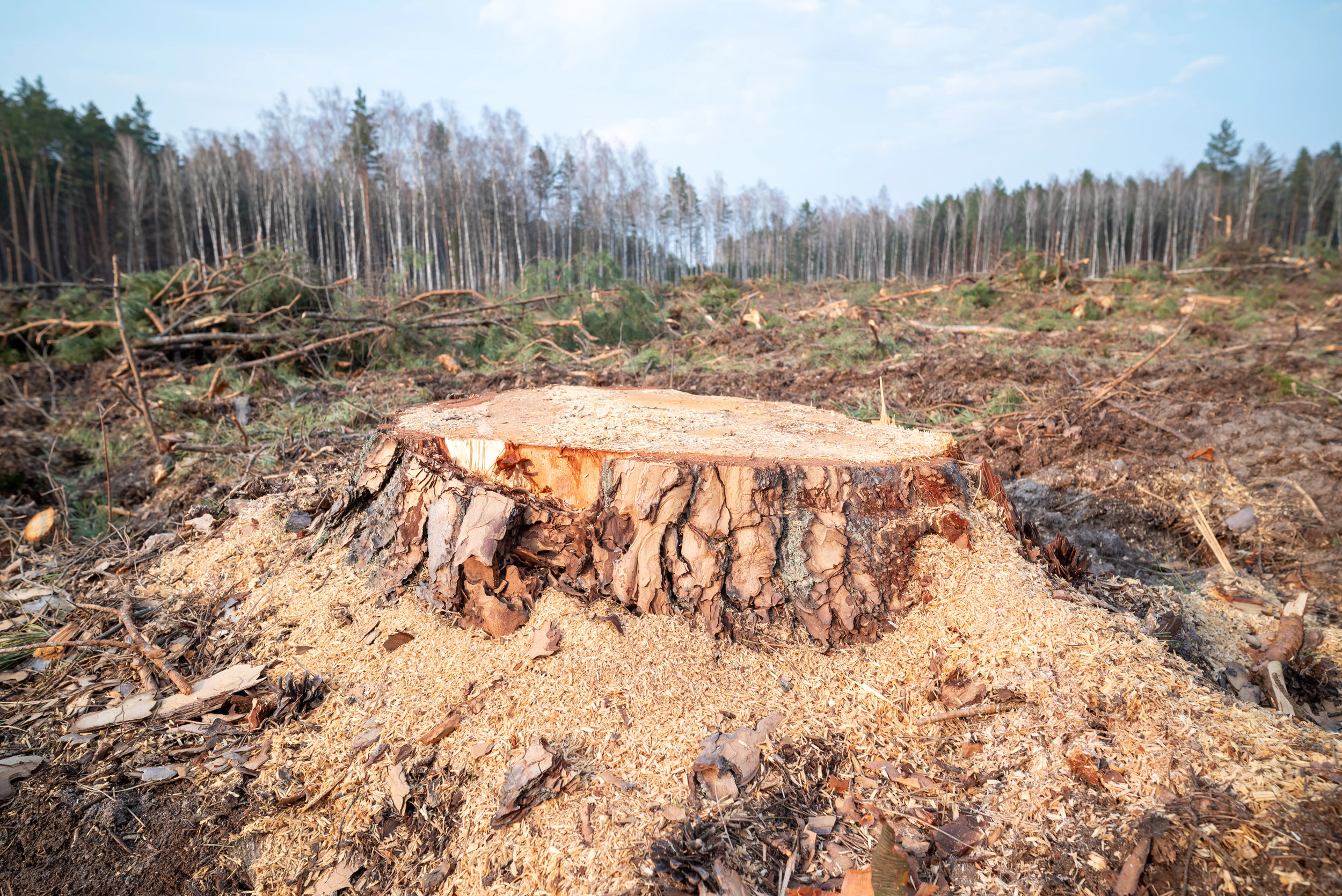
Deforestation
Deforestation occurs when large areas of forest are cut down or burned. Forests are home to an enormous number of plant and animal species, especially in tropical regions. When forests disappear, animals lose shelter, food sources, and breeding areas. Deforestation can also fragment habitats, leaving wildlife isolated in smaller and smaller patches of land.
Loss of Prey
Predators depend on healthy populations of prey animals. When prey species decline because of hunting, habitat loss, or environmental change, predators may struggle to survive. Large carnivores such as big cats, wolves, and birds of prey are especially affected because they require large territories and stable prey populations.
Human–Wildlife Conflict
As human settlements expand, people and wildlife increasingly share the same landscapes. This can lead to conflicts when animals damage crops, prey on livestock, or enter villages and cities in search of food. These situations can be dangerous for both people and animals, and they often result in wildlife being removed or killed.
Urbanization
Urbanization refers to the growth of cities and towns. As urban areas expand, natural habitats are replaced by roads, buildings, and other infrastructure. Wildlife may lose access to migration routes, feeding areas, or breeding sites. Some species adapt to urban environments, but many others cannot survive these changes.
Climate Change
Climate change is altering temperatures, rainfall patterns, and seasonal cycles around the world. These changes can affect where animals live, when they migrate, and when plants produce food. Some species may move to new areas, while others struggle to adapt quickly enough to shifting environmental conditions.
Poaching
Poaching is the illegal hunting or capture of wildlife. Animals may be targeted for their fur, horns, skins, meat, or other body parts. Some species are also captured for the illegal pet trade. Poaching has caused severe population declines in many animals, including elephants, rhinos, tigers, and other endangered species.
Pollution
Pollution can harm wildlife in many ways. Chemicals, plastics, and other waste products can enter rivers, oceans, forests, and soil. Some pollutants poison animals directly, while others damage the ecosystems they depend on. Marine animals, birds, and fish are especially affected by plastic pollution and contaminated water.
Invasive Species
Invasive species are plants or animals that are introduced into ecosystems where they do not naturally occur. These species can spread quickly and compete with native wildlife for food and habitat. In some cases, invasive species may also prey on native animals or introduce new diseases that local species cannot resist.
Wildlife Conservation Solutions
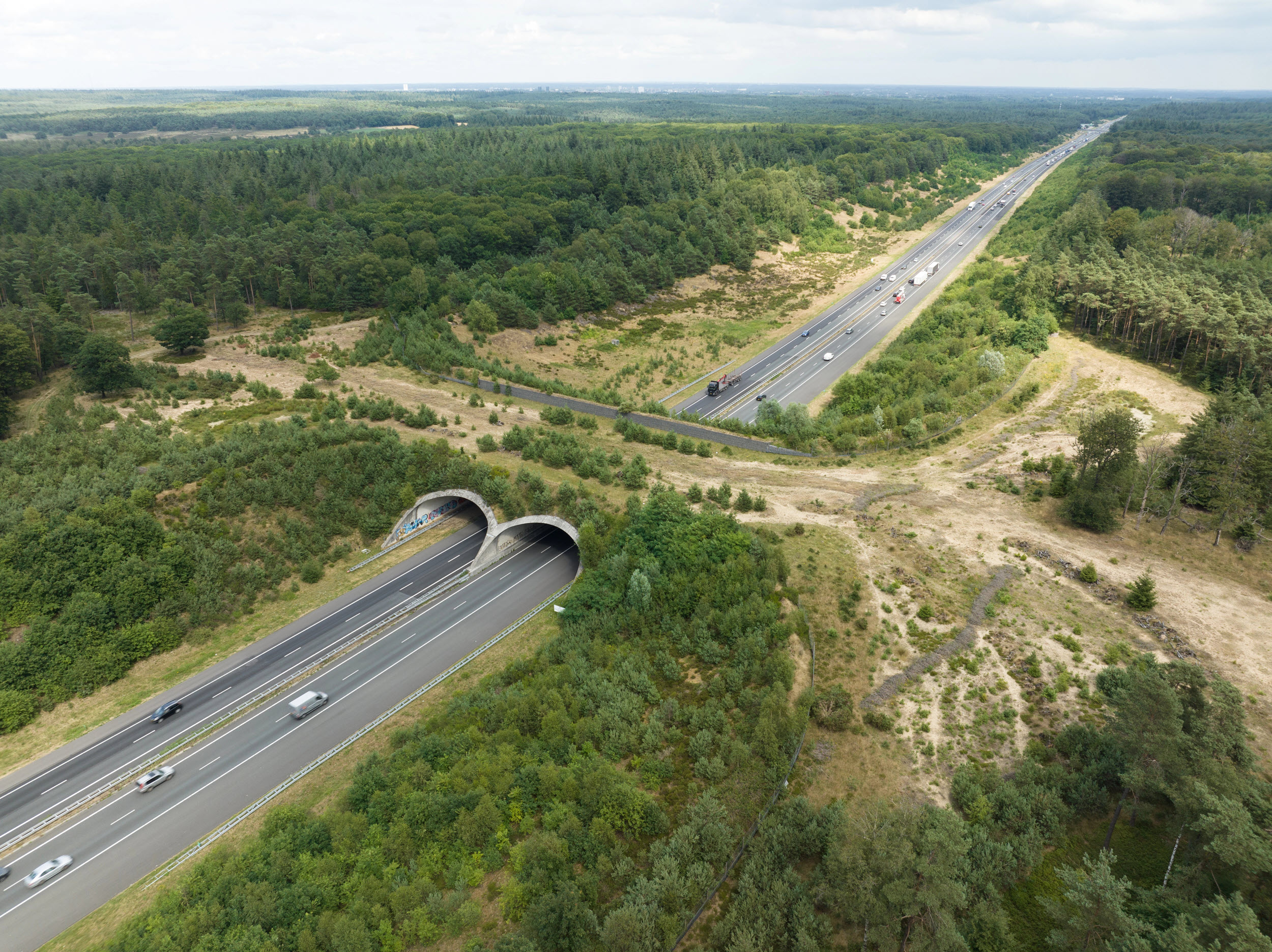
Image: A wildlife bridge
Protected Areas
Protected areas such as national parks, wildlife reserves, and marine sanctuaries provide safe habitat for animals and plants. These areas limit development, hunting, and other activities that could damage ecosystems. Protected landscapes allow wildlife populations to grow and help preserve biodiversity.
Wildlife Corridors
Many animals need large territories or seasonal migration routes to survive. Wildlife corridors connect separated habitats so animals can move safely between them. Corridors may include protected land, forest strips, or natural river systems that link fragmented ecosystems
Wildlife Crossings
Roads and highways can divide habitats and create dangerous barriers for animals. Wildlife crossings—such as land bridges over highways or tunnels beneath roads—allow animals to move safely between habitats. These structures help reduce vehicle collisions and reconnect wildlife populations.
Habitat Restoration
In some areas, damaged ecosystems can be restored. Habitat restoration may include planting native vegetation, restoring wetlands, or removing invasive species. Over time, these efforts can rebuild healthy ecosystems that support wildlife again.
Sustainable Land Use
Conservation also involves finding ways for people and wildlife to share landscapes responsibly. Sustainable farming, forestry, and fishing practices can reduce environmental damage while still supporting local communities.
Conservation is not only about protecting individual species, but about maintaining the systems that support life as a whole. When habitats are preserved, the relationships between plants, animals, and ecosystems can continue to function as they have for thousands of years. Even small actions—protecting land, reducing pollution, and supporting conservation efforts—can contribute to long-term stability. Understanding wildlife is often the first step toward protecting it.