
Explore Wildlife
Discover wild animals and endangered species, their habitats, and the conservation challenges shaping their future.
Visit Shark Frontier
Learn about sharks, including their history, types of sharks, where they live, habitat and behavior.
Discover BigCatsWildCats
Get to know all the members of the planet’s wild cat family, including where they live, their history, habitat, behavior and more.

Discover amazing animals with easy reading, colorful photos, illustrations, and fascinating information about how animals live.
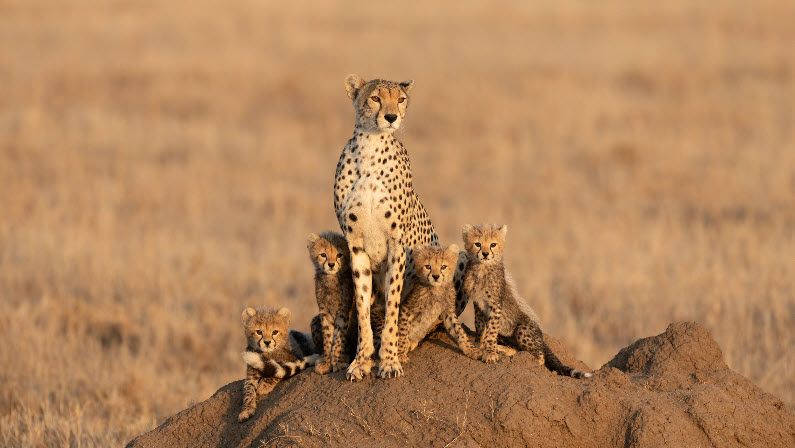

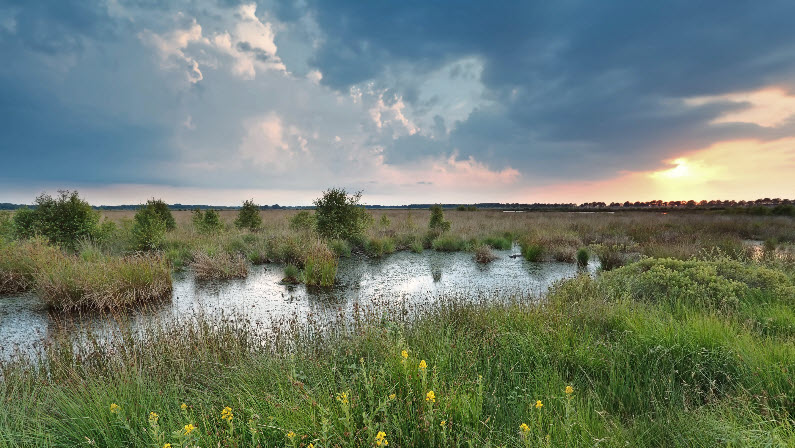
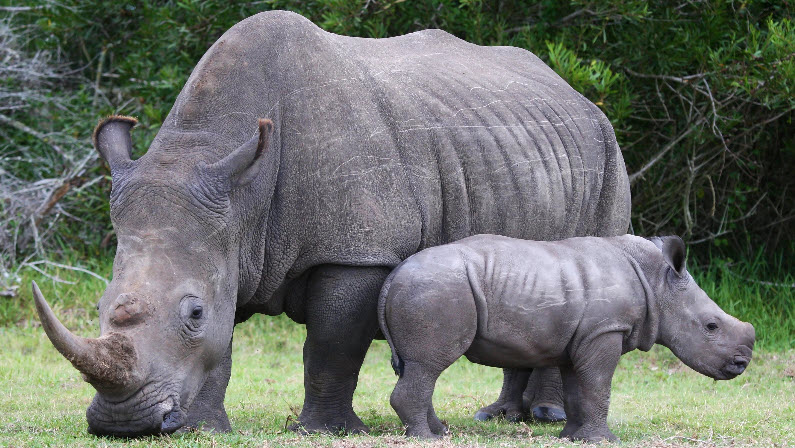
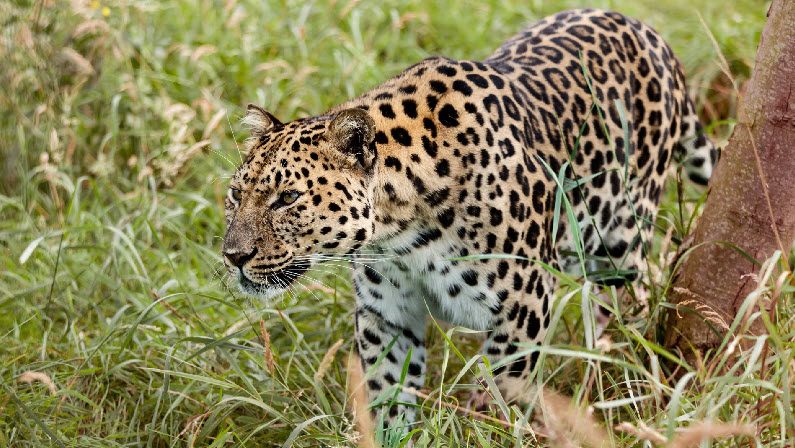
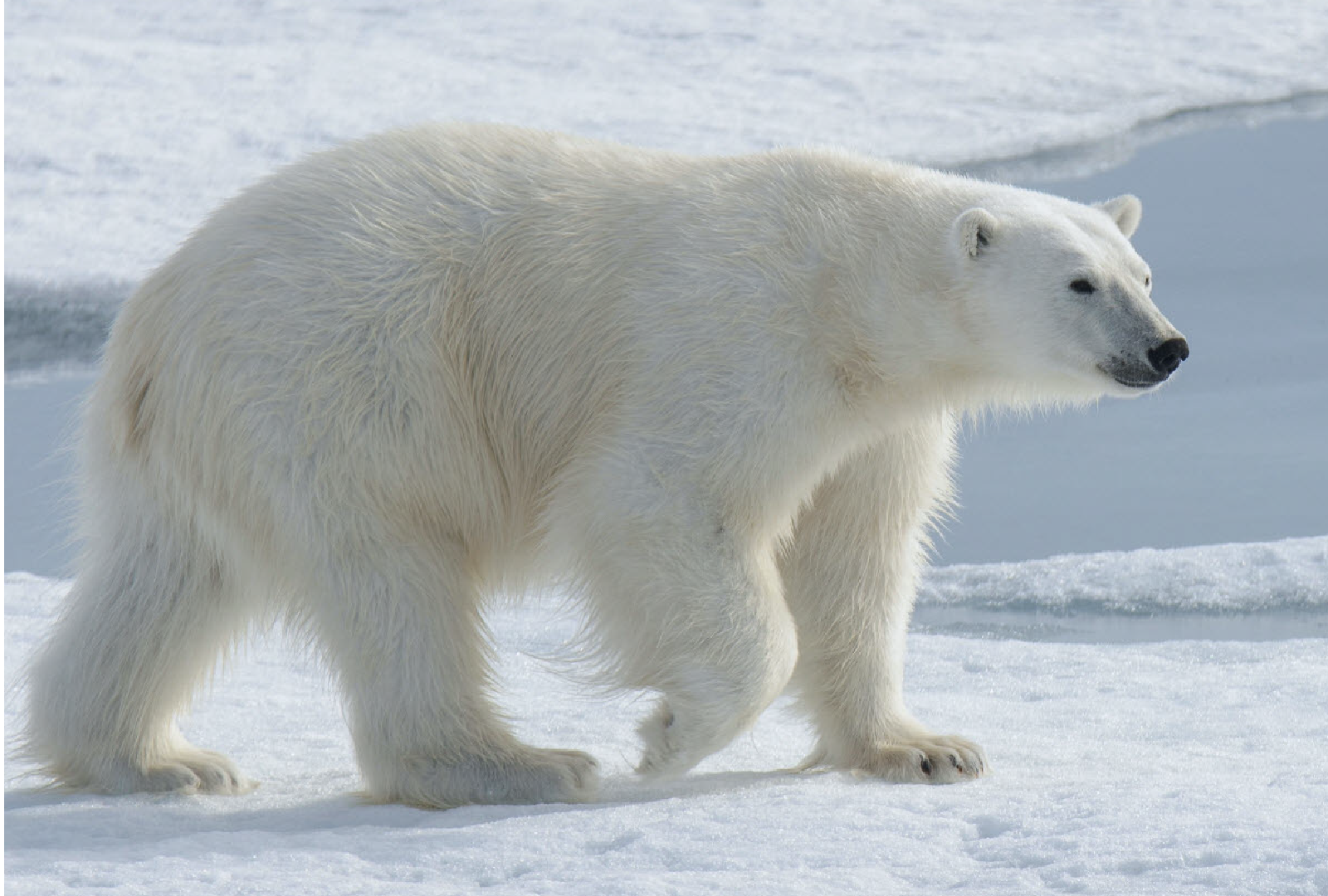
Animals across the planet
Wild animals are an extraordinary part of life on Earth, occupying habitats from deep oceans to high mountain forests and the icy polar regions. This site explores the diversity of the animal kingdom, from mammals and birds to insects and amphibians, and highlights the roles each group plays in our planet’s ecosystems.
Learning about Wildlife
Wildlife animal information in clear, straightforward language, with definitions, explanations, and a glossary of key terms to make learning about animals easier and more accessible.
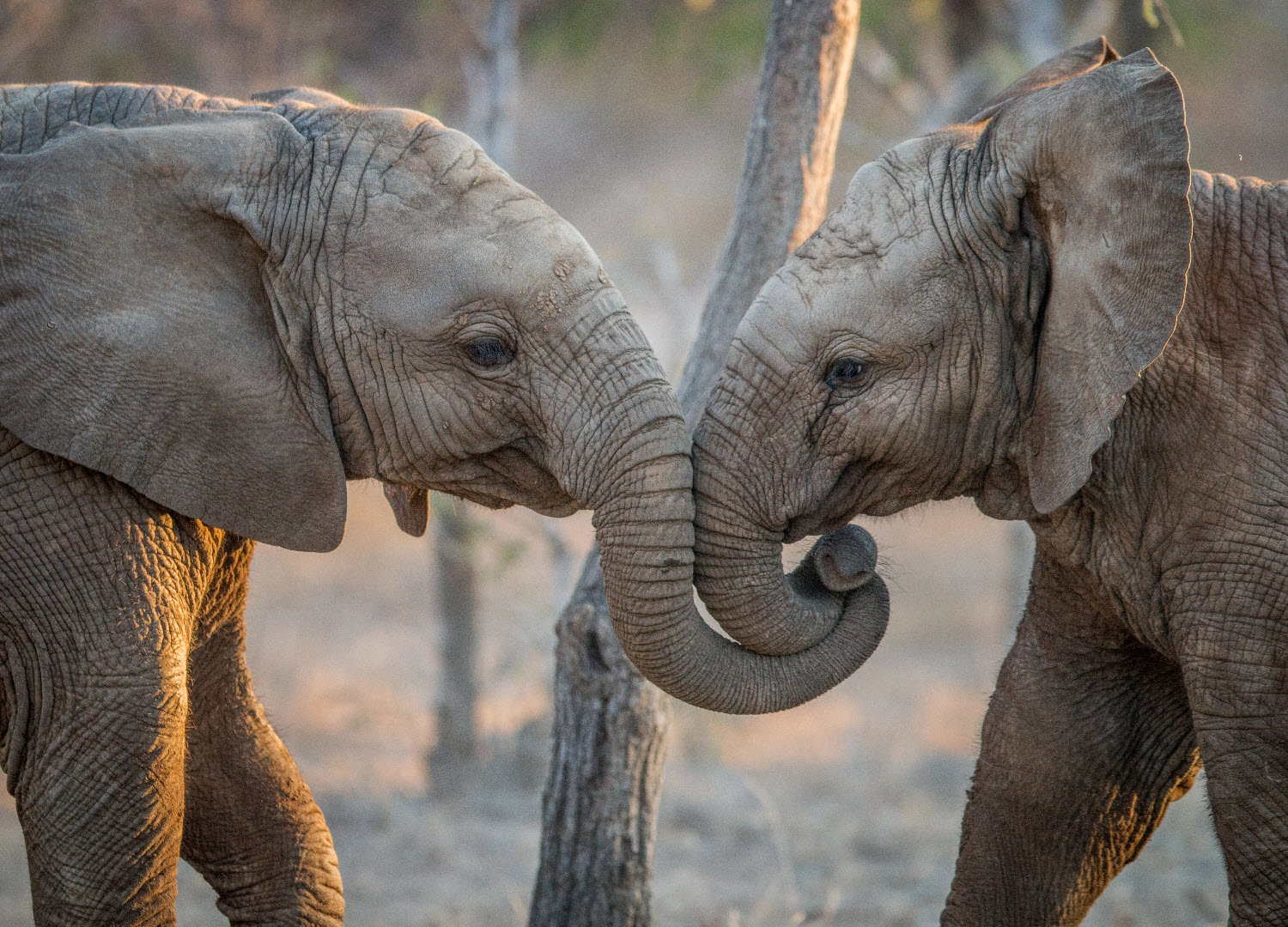
Animals
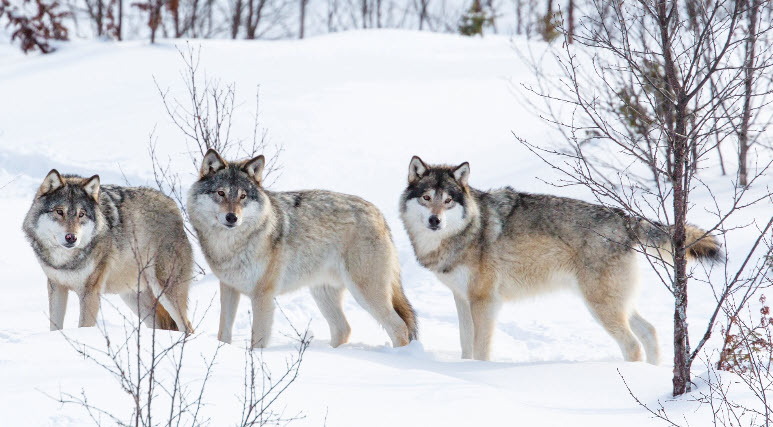
Mammals
Mammals are warm-blooded animals with backbones that belong to a group called Mammalia. The word mammal comes from the Latin word mamma, meaning “breast,” referring to the way mammal mothers feed their babies milk.
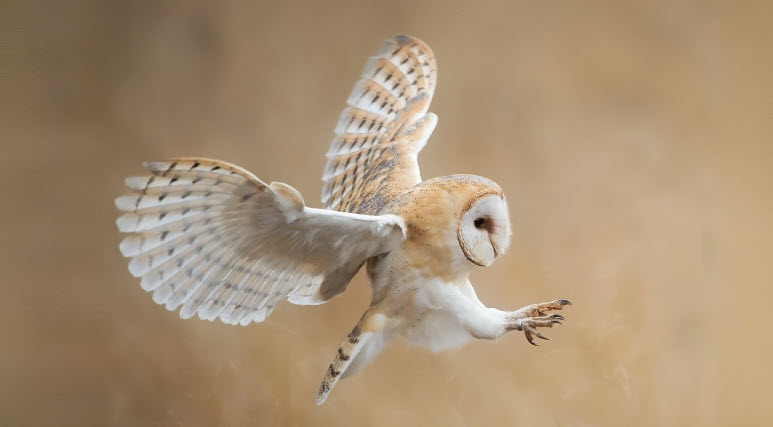
Birds
Birds are animals with backbones that belong to a group called Aves. The word bird comes from the Old English word brid, which originally meant a young bird.
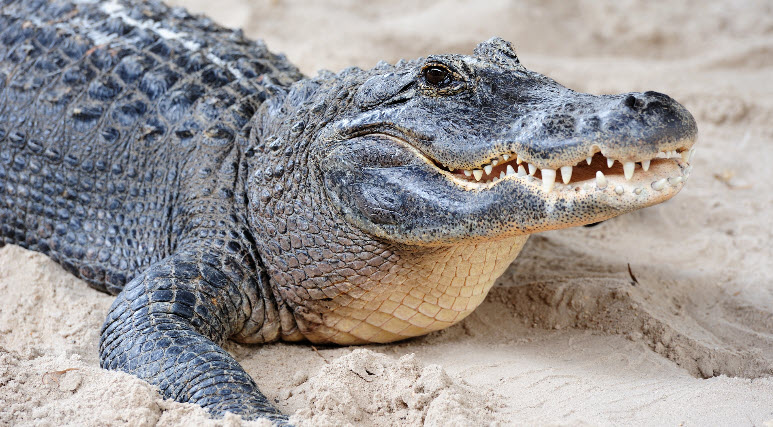
Reptiles
Reptiles are cold-blooded animals with backbones that belong to a group called Reptilia. The word reptile comes from the Latin word repere, meaning “to creep” or “to crawl.”
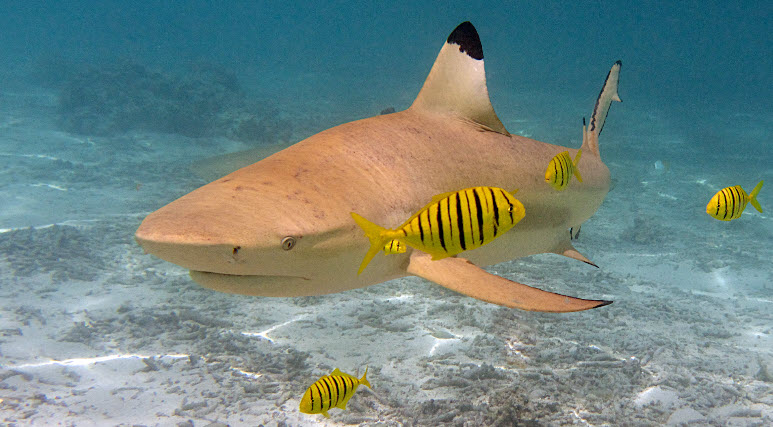
Fish
Fish are aquatic animals with backbones that live in water and breathe using gills. The word fish comes from the Old English word fisc.
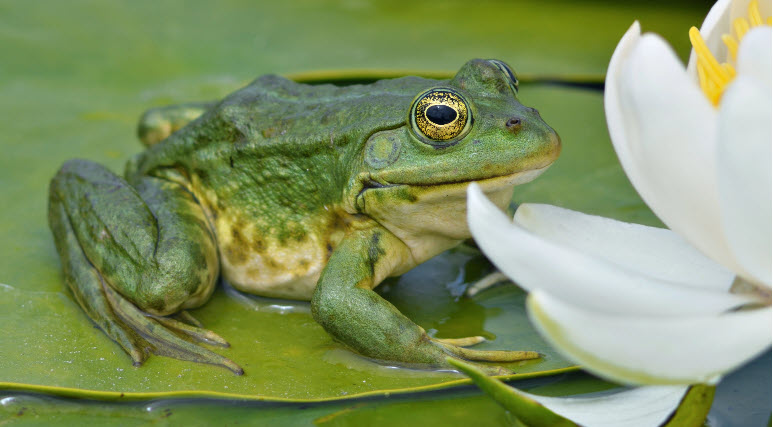
Amphibians
Amphibians are animals with backbones that belong to a group called Amphibia. The word amphibian comes from the Greek words amphi, meaning “both,” and bios, meaning “life,” referring to the way many amphibians live part of their lives in water and part on land.
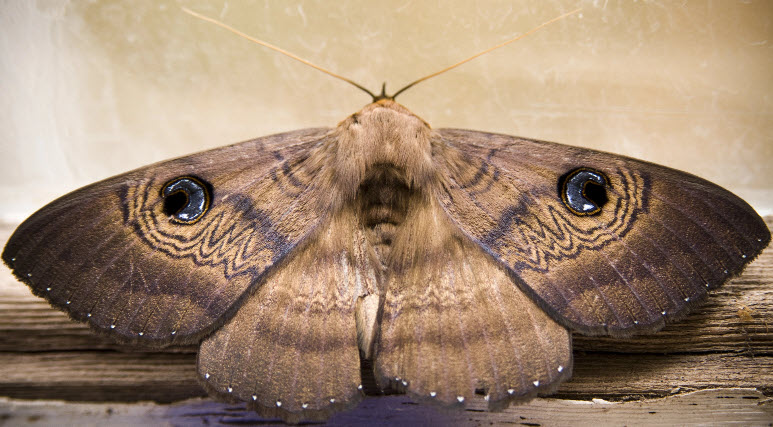
Insects
Insects are animals without backbones that belong to a group called Insecta. The word insect comes from the Latin word insectum, meaning “cut into sections,” referring to the way an insect’s body is divided into parts.