
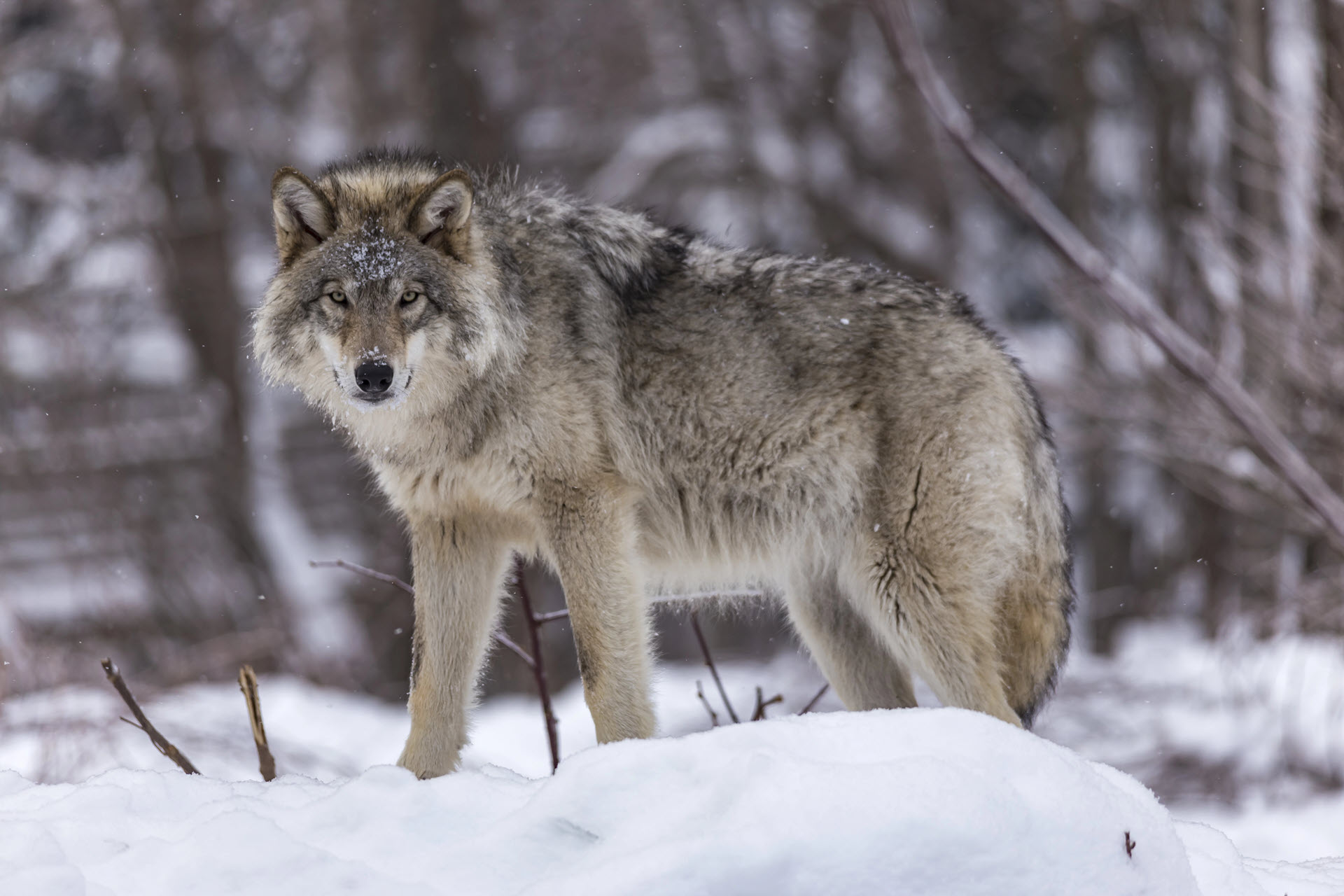
Word Origin
The word mammal comes from the Latin word “mamma,” meaning breast. This refers to one of the defining traits of mammals—the ability of females to produce milk to feed their young.
Scientific Name
Mammalia
Class
Mammalia
Species
There are approximately 6,500 known species of mammals worldwide, found in a wide range of environments on land and in water. Here is a breakdown of the estimated number of species in some of the major groups:
- Rodents (Order: Rodentia) – 2,500 species
- Bats (Order: Chiroptera) – 1,400 species
- Carnivores (Order: Carnivora) – 300 species (cats, dogs, bears, seals)
- Primates (Order: Primates) – 500 species
- Even-toed ungulates (Order: Artiodactyla) – 250 species (deer, pigs, cattle)
- Odd-toed ungulates (Order: Perissodactyla) – 20 species (horses, rhinos)
- Marine mammals (multiple orders) – 130 species (whales, dolphins, seals)
While mammals are less numerous than many other animal groups, they display a wide range of adaptations and play important roles in ecosystems around the world.
Conservation Status
Mammals range from very common to critically endangered, depending on the species. While many mammals are adaptable, others are highly sensitive to environmental change.
Habitat loss, climate change, and human activity have placed increasing pressure on many mammal populations around the world.
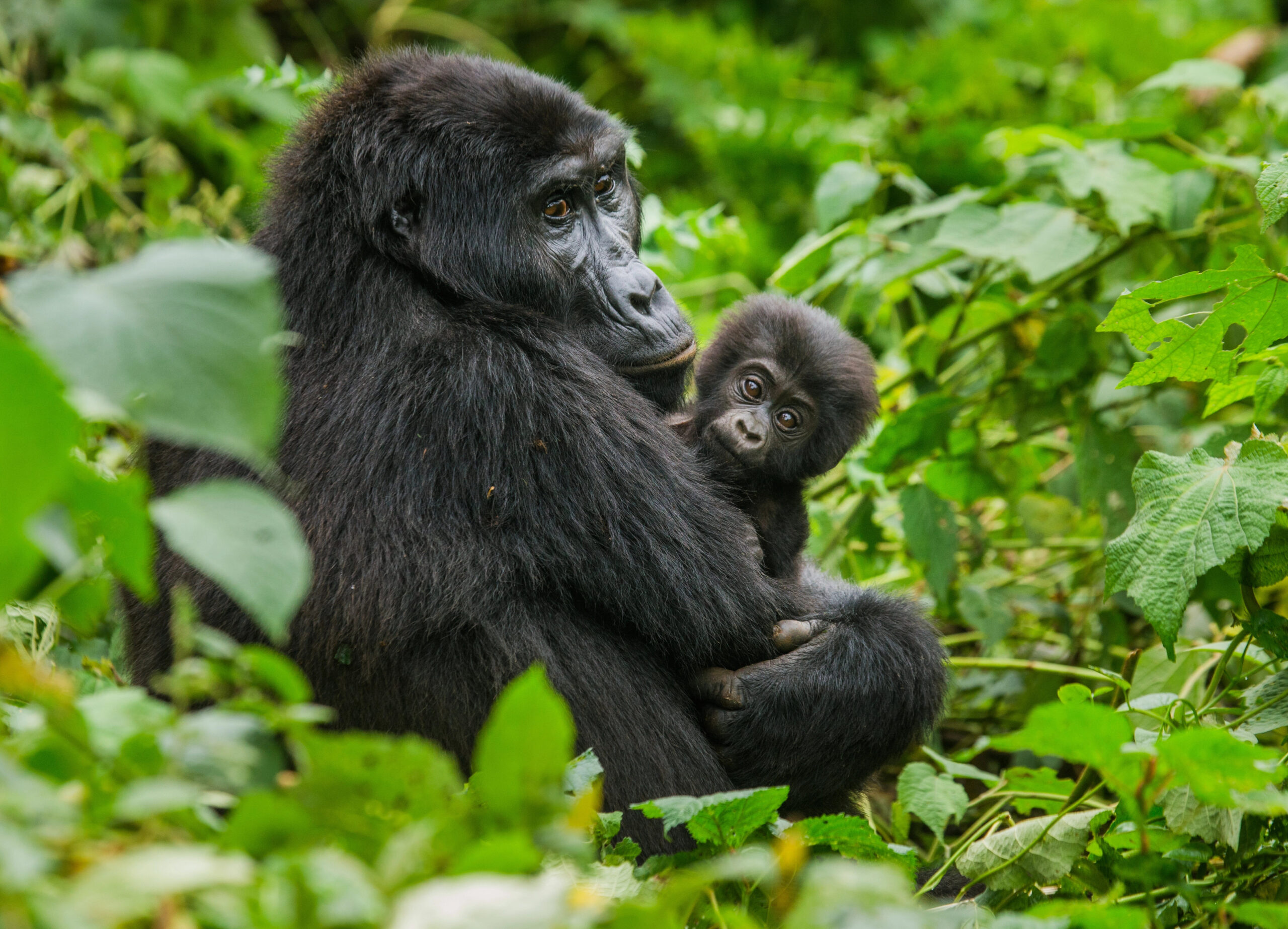
Image: A mountain gorilla
Interesting Mammal Facts
Mammals are one of the most familiar groups of animals, including everything from tiny rodents to large whales.
- Mammals are the only animals that produce milk for their young
- Most mammals have hair or fur at some stage of life
- They are warm-blooded, meaning they regulate their body temperature
- Mammals live on land, in water, and even in the air (bats)
- The blue whale is the largest mammal—and the largest animal ever known
Even though they have many differences, all mammals share a set of core biological traits.
Types of Mammals
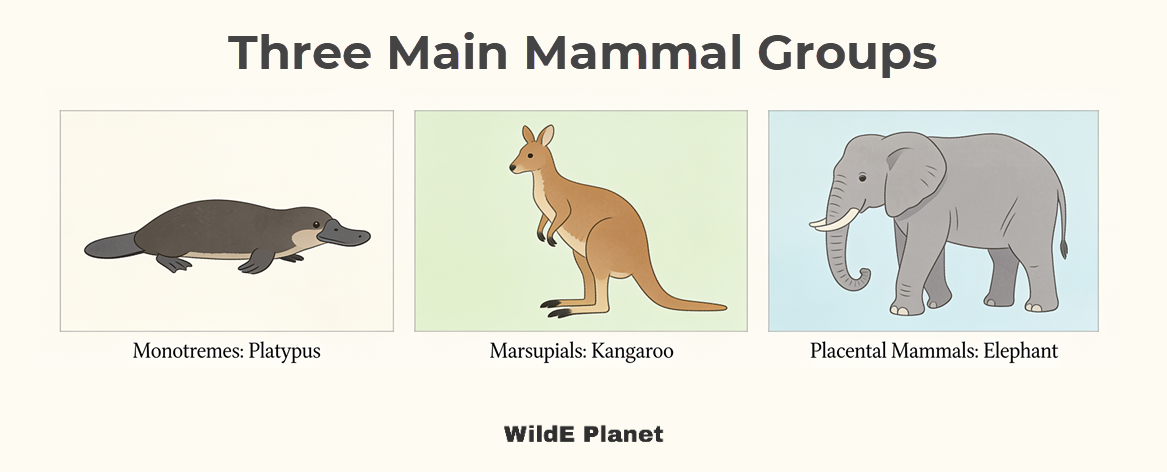
Mammals are warm-blooded animals that have hair or fur and feed their young with milk. Scientists divide mammals into three main groups based on how their young develop.
1. Monotremes
Monotremes are the most unusual mammals because they lay eggs instead of giving birth to live young. After hatching, the young are fed milk produced by their mother. Today, monotremes are found only in Australia and New Guinea. Examples: Platypus, Echidnas
2. Marsupials
Marsupials give birth to very small, underdeveloped young that continue growing in a special pouch on the mother’s body. The young remain in the pouch for protection and nourishment until they are developed enough to survive on their own. Examples: Kangaroos, Koalas, Wombats, Tasmanian Devils
3. Placental Mammals
Placental mammals are the largest group of mammals. Their young develop inside the mother’s body and receive nutrients through a special organ called the placenta. Most mammals found around the world belong to this group. Examples: Elephants, Lions, Tigers, Dolphins, Bats, Humans
More than 95% of all mammal species are placental mammals. Monotremes are the rarest group, with only a handful of living species found today.
History and Evolution
Mammals evolved from reptile-like ancestors more than 200 million years ago. Early mammals were small and lived alongside dinosaurs, often remaining hidden and active at night.
After the extinction of the dinosaurs, mammals began to diversify and occupy new ecological niches.
- Early mammals were small and insect-eating
- They gradually evolved into a wide variety of forms
- Some adapted to life in water, others to flight
- Evolution led to complex brains and social behaviors
This evolutionary history helps explain the diversity of mammals seen today.
Mammal Characteristics
Mammals are often the animals people feel most connected to, whether through pets, wildlife, or shared behaviors. Many mammals display social structures, parenting, and communication that can feel familiar to us.
Mammals are warm-blooded vertebrates that have hair or fur and produce milk to nourish their young. This group includes a wide range of species, from land-dwelling animals like elephants and lions to aquatic mammals like dolphins and whales.
Their ability to regulate body temperature and care for their young has helped mammals thrive in many different environments.
Physical Appearance
Mammals share several key physical traits that distinguish them from other animals. Their bodies are adapted to maintain stable internal temperatures and support active lifestyles.
- Hair or fur covering the body
- Warm-blooded (endothermic)
- Specialized teeth for different diets
- Three middle ear bones for hearing
- A backbone (they are vertebrates)
Some mammals have additional adaptations, such as thick fur for cold climates or streamlined bodies for swimming.
Mammal Habitats
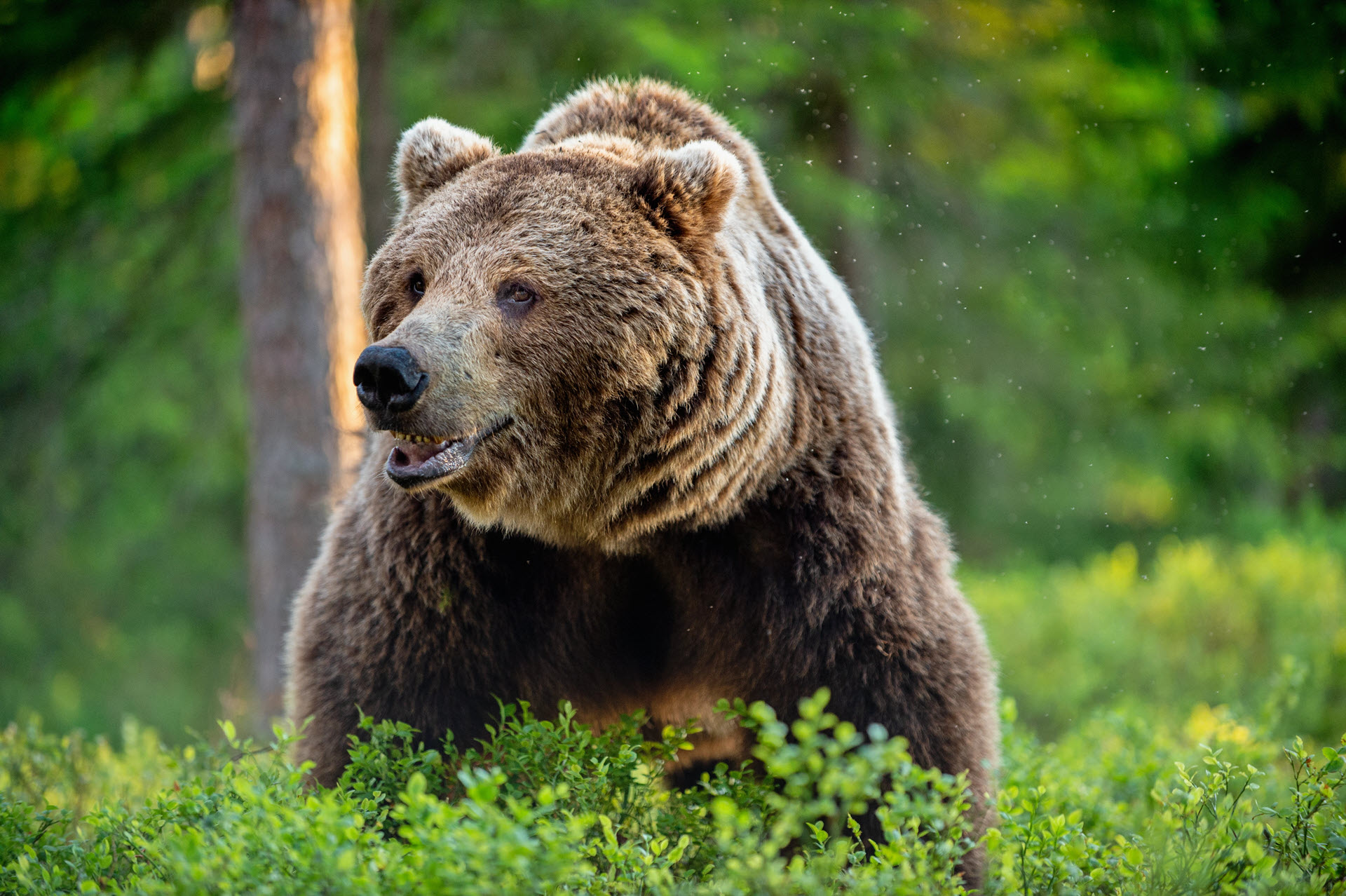
Mammals are found in nearly every environment on Earth. Their adaptability has allowed them to spread across continents and ecosystems.
They live in forests, grasslands, deserts, oceans, and polar regions. Some mammals, like bats, are capable of flight, while others are fully aquatic.
- Forests and jungles with high biodiversity
- Grasslands and savannas
- Oceans and freshwater systems
- Arctic and Antarctic regions
Their wide distribution reflects their ability to adapt to many different conditions.
Mammal Behavior
Mammal behavior is often complex and varied. Many species show advanced social structures and communication.
Some mammals live alone, while others form groups or family units. Social species, such as wolves and primates, rely on cooperation and communication.
- Social behavior in herds, packs, or groups
- Communication through sound, scent, and body language
- Parental care is common and often long-lasting
- Some species migrate long distances
One unique aspect of mammals is their ability to learn and adapt behavior based on experience.
Diet
Mammals have a wide range of diets, depending on the species. Their teeth and digestive systems are adapted to their specific feeding habits.
- Herbivores eat plants (e.g., deer, elephants)
- Carnivores eat other animals (e.g., lions, wolves)
- Omnivores eat both plants and animals (e.g., bears, humans)
These dietary differences allow mammals to occupy many ecological roles.
The Life Cycles of Mammals
Mammals typically give birth to live young, although a few species lay eggs. After birth, the young are cared for and fed with milk.
This parental care is one of the defining features of mammals and contributes to the survival of their offspring.
- Most mammals give live birth
- Young are nourished with milk
- Growth involves learning and development
- Lifespans vary widely among species
The extended care of young allows many mammals to develop complex behaviors.
Where to See Mammals in the Wild
You can find mammals in both wild and human environments. Some species live close to people, while others remain in remote areas.
You might see mammals in forests, parks, oceans, or even urban settings. Their visibility depends on their size, behavior, and habitat.
- In natural environments such as forests and grasslands
- In oceans and rivers
- In cities and suburban areas
- In protected reserves and national parks
Many mammals are active at night, which can make them harder to observe.
Role in Nature
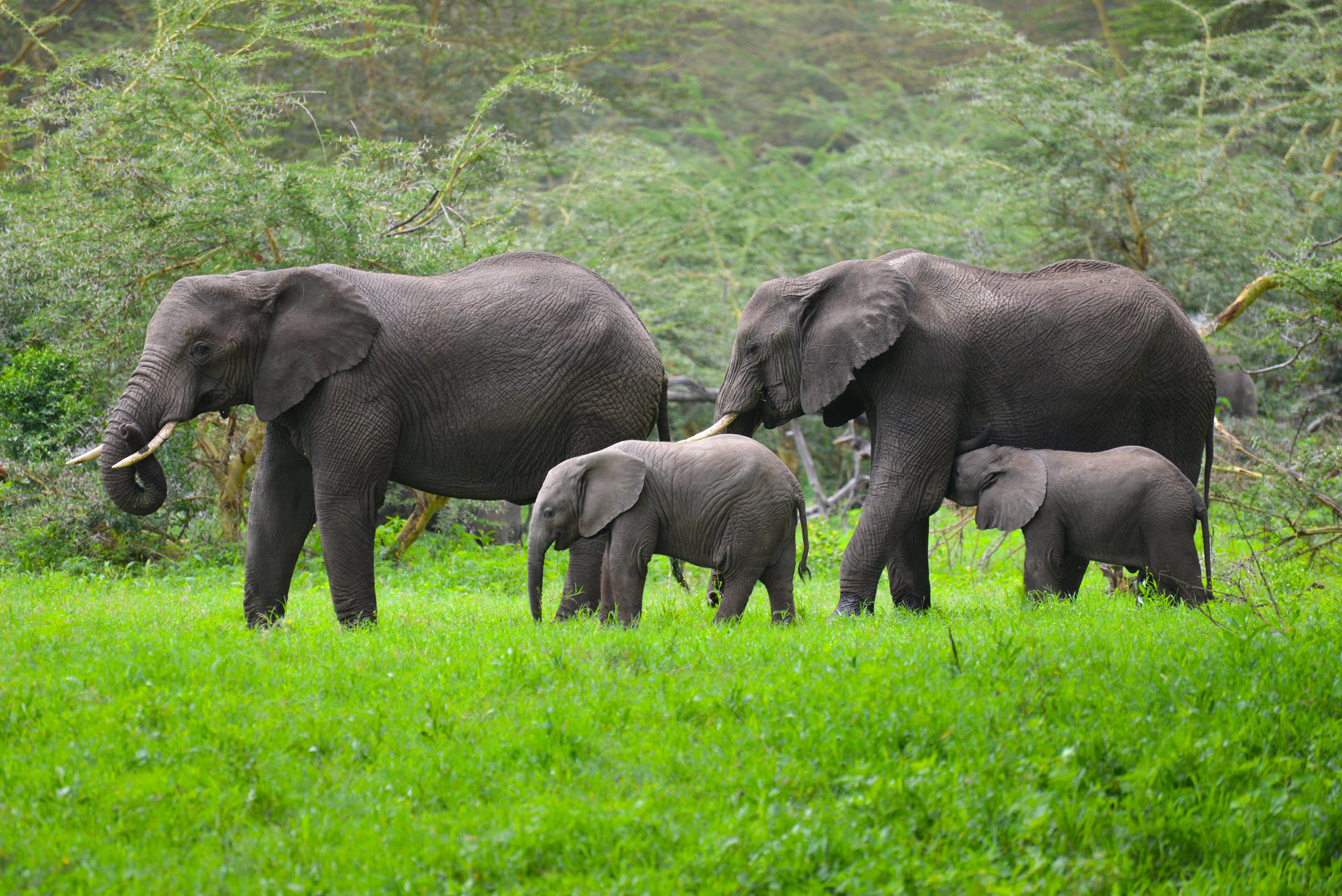
Mammals typically play important roles in maintaining ecosystem balance. Their activities influence plant growth, prey populations, and overall biodiversity.
- Herbivores shape vegetation by grazing
- Predators control prey populations
- Some mammals help disperse seeds
- Others contribute to soil health
Their interactions with other species help maintain healthy ecosystems.
Unique Mammal Traits
Mammals have several unique features that set them apart from other animal groups. These traits support survival in a wide range of environments.
- Production of milk for feeding young
- Ability to regulate body temperature
- Complex brains and learning ability
- Strong social bonds in many species
These characteristics have helped mammals become one of the most successful animal groups.
Mammal Conservation
Many mammal species face increasing threats due to human activity. While some species adapt well, others are more vulnerable.
Habitat destruction, hunting, pollution, and climate change are major concerns.
- Loss of habitat from development and deforestation
- Poaching and illegal wildlife trade
- Climate change affecting ecosystems
- Human-wildlife conflict
Protecting mammals often requires preserving entire ecosystems.
Sources
- Wildlife and Mammals
- National Oceanic and Atmospheric Administration (NOAA) – Marine Mammals
- U.S. Fish & Wildlife Service (USFWS)