
Animals come in an enormous variety of shapes, sizes, and forms. Scientists classify animals into groups based on characteristics such as their body structure, how they reproduce, and their evolutionary relationships. Some of the most familiar types of animals include mammals, fish, insects, amphibians, arachnids, reptiles, and birds.
These groups contain animals adapted to nearly every environment on Earth. Some live entirely in water, others live on land, and many can fly, swim, climb, burrow, or move between different environments. Learn about some of the major types of animals below.
Mammals
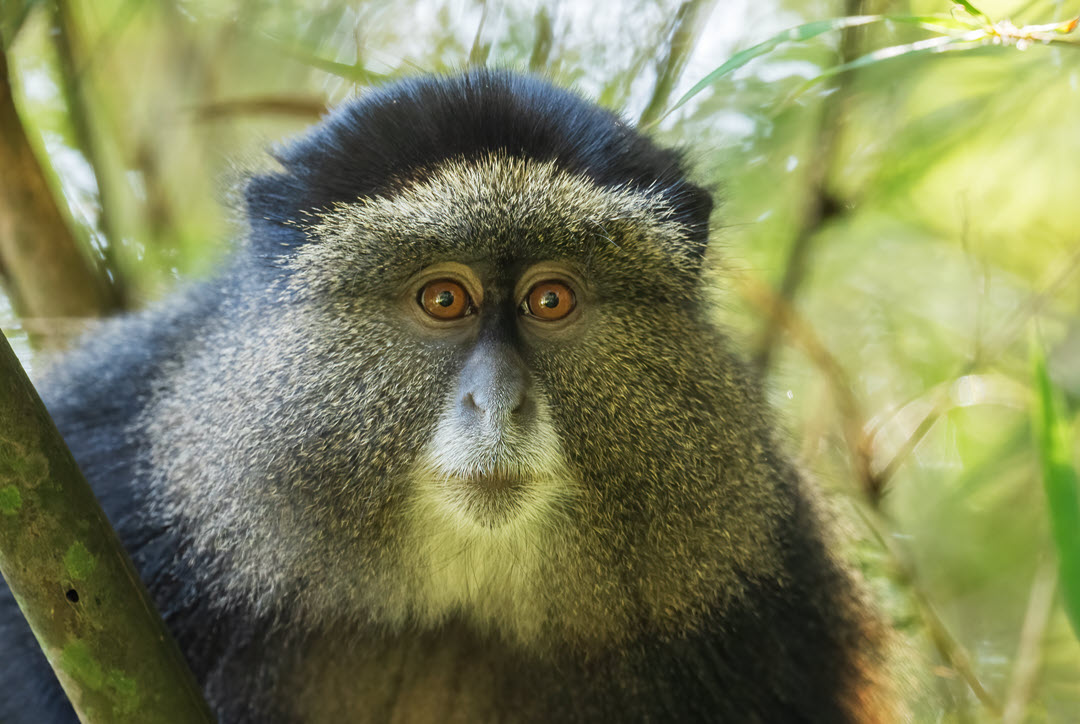
Mammals are vertebrate animals that have hair or fur at some point in their lives. Female mammals produce milk to feed their young, and most mammals give birth to live young. Mammals have adapted to an extraordinary range of environments and include land animals such as elephants, lions, bears, and mice, marine mammals such as whales and dolphins, and flying mammals such as bats.
Fish
Fish are aquatic vertebrates found in oceans, rivers, lakes, streams, and many other aquatic environments. Most fish breathe through gills and use fins to move through the water. Fish are extremely diverse and range from tiny freshwater species to enormous ocean animals such as the whale shark, the largest living fish.
Insects
Insects are invertebrate animals with six legs and bodies divided into three main sections: the head, thorax, and abdomen. They include beetles, butterflies, moths, bees, ants, flies, grasshoppers, and many other animals. Insects are the most diverse group of animals known to science and play important roles as pollinators, decomposers, predators, prey, and recyclers of nutrients.
Amphibians
Amphibians include frogs, toads, salamanders, newts, and caecilians. Most have moist, permeable skin, and many begin life as aquatic larvae before changing into their adult form through metamorphosis. Amphibians often depend on both aquatic and terrestrial environments during their lives and can be particularly sensitive to changes in environmental conditions.
Arachnids
Arachnids are invertebrate animals that include spiders, scorpions, ticks, mites, and several less familiar groups. Most adult arachnids have eight legs and two main body regions. They live in environments around the world, and many are predators that help control populations of insects and other small animals.
Reptiles
Reptiles are vertebrate animals with dry skin covered by scales or scutes. They include snakes, lizards, turtles, tortoises, crocodiles, and alligators. Reptiles are ectothermic, meaning their body temperature is strongly influenced by their surroundings, and they have adapted to terrestrial, freshwater, and marine environments around the world.
Birds
Birds are vertebrate animals distinguished by their feathers. They also have beaks and lay eggs. Many birds have adaptations for flight, although some, such as penguins and ostriches, do not fly. Birds live on every continent and occupy habitats ranging from forests, wetlands, and grasslands to deserts, oceans, and polar regions.