
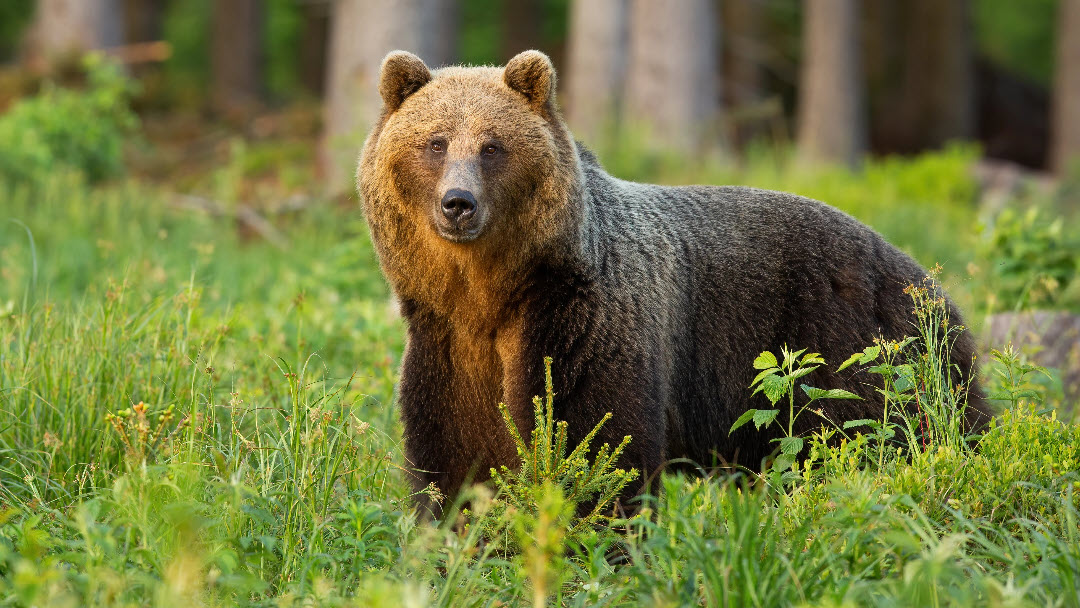
Animal habitats are the natural environments where animals live and find the food, water, shelter, space, and other resources they need to survive. From forests and deserts to rivers and oceans, habitats around the world support an enormous diversity of animal life.
Animals are adapted to the conditions of their habitats. A rainforest animal may depend on dense vegetation and abundant rainfall, while a desert animal must survive with very little water. Some animals spend their entire lives in one type of habitat, while others move between different habitats to feed, reproduce, migrate, or raise their young.
Habitats can be grouped into broad types based on features such as climate, vegetation, water, elevation, and geography. Within each broad habitat are many more specialized environments that support different communities of plants and animals.
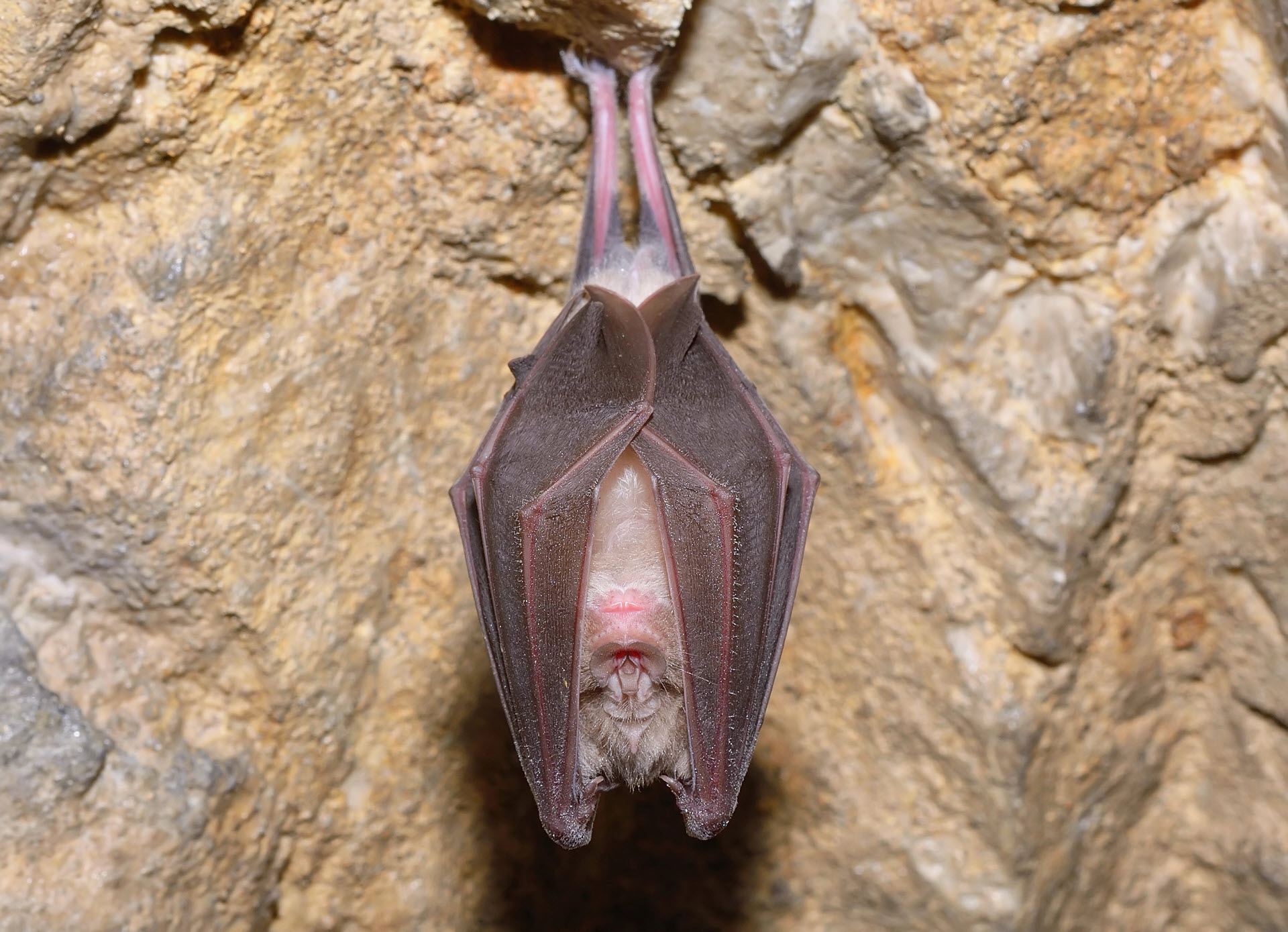
Image: A bat in a subterranean (under the Earth’s surface) habitat.
Types of Animal Habitats
Earth’s major animal habitats range from forests and grasslands on land to freshwater rivers and the open ocean. Each has different environmental conditions and supports animals with adaptations suited to life there.
Forests
Forests are habitats dominated by trees and other vegetation. Different types include tropical rainforests, temperate forests, and boreal forests. The amount of rainfall, temperature, and types of plants vary greatly among them. Forests provide animals with food, shelter, nesting areas, and places to hide, supporting species ranging from insects and birds to reptiles and large mammals.
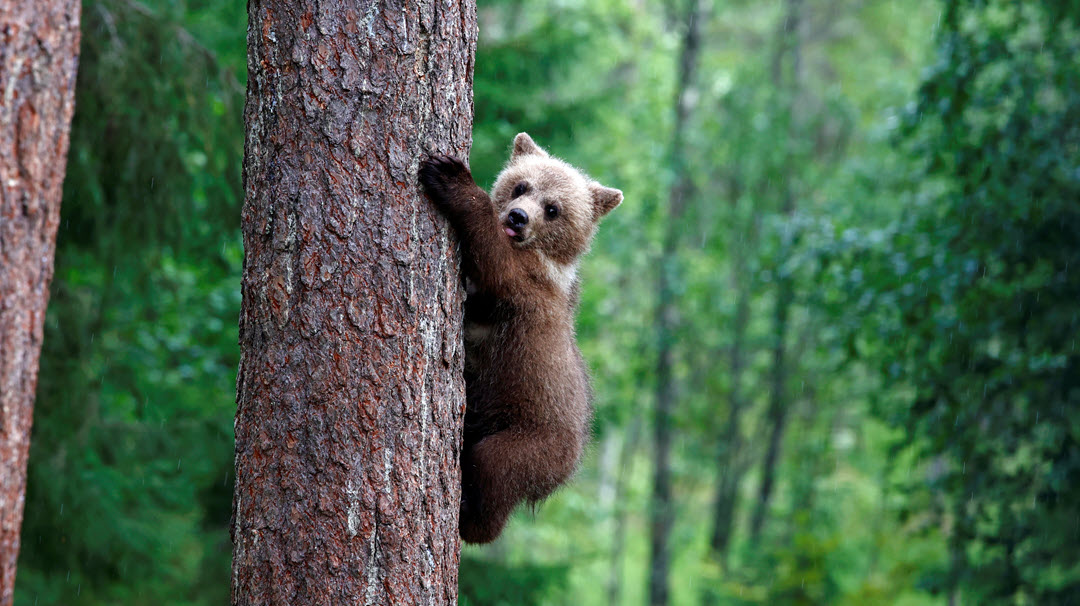
Image: A bear in a forest habitat.
Grasslands and Savannas
Grasslands are open habitats dominated by grasses, with relatively few trees. Savannas are tropical grasslands that usually contain scattered trees and shrubs. These habitats can support large populations of grazing animals as well as predators, birds, insects, reptiles, and small mammals. Seasonal rainfall and fire help shape many grassland and savanna environments.
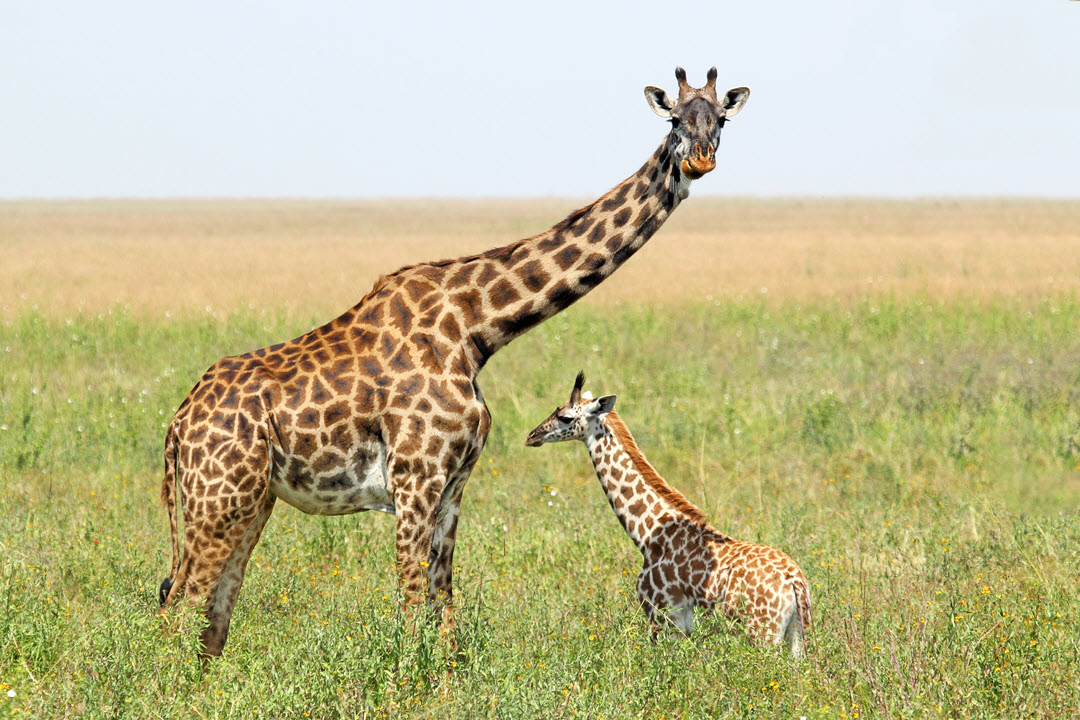
Image: A giraffe in a grassland habitat.
Deserts
Deserts are dry habitats that receive very little precipitation. Although many deserts are hot, deserts can also occur in cold regions. Animals living in deserts have adaptations that help them cope with limited water, extreme temperatures, and sparse vegetation. Some avoid daytime heat by being active at night or sheltering underground.
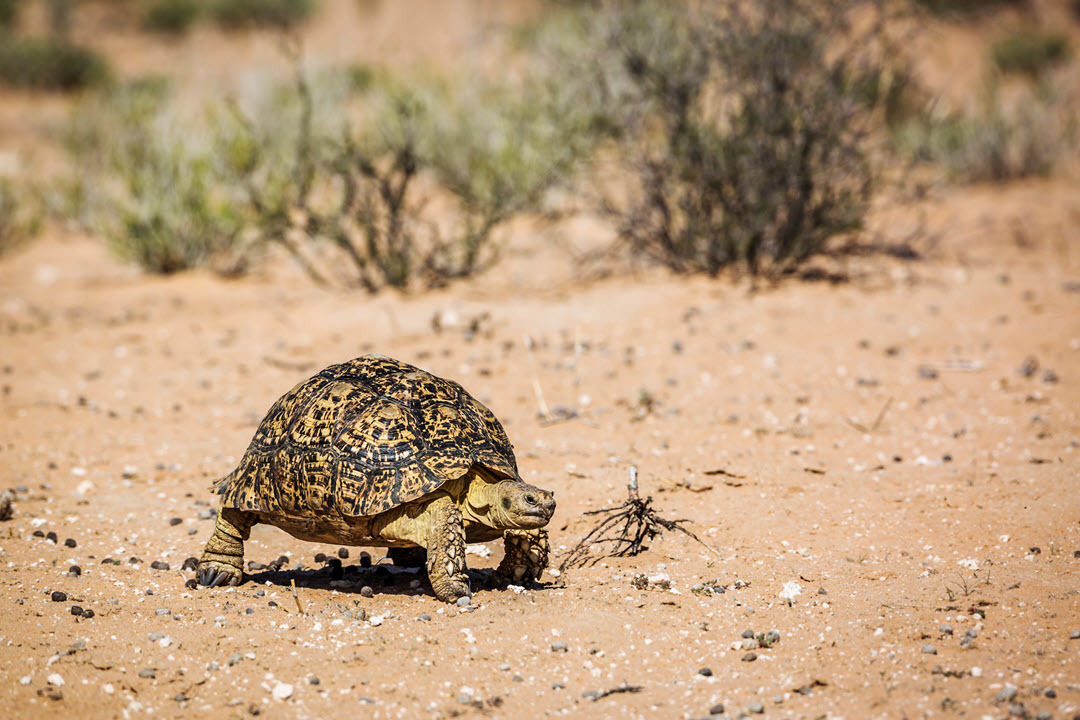
Image: A leopard tortoise in a desert habitat.
Wetlands
Wetlands are habitats where water covers or saturates the ground for at least part of the year. They include marshes, swamps, bogs, and other water-rich environments. Wetlands provide feeding, breeding, and nursery areas for many fish, amphibians, birds, insects, reptiles, and mammals.
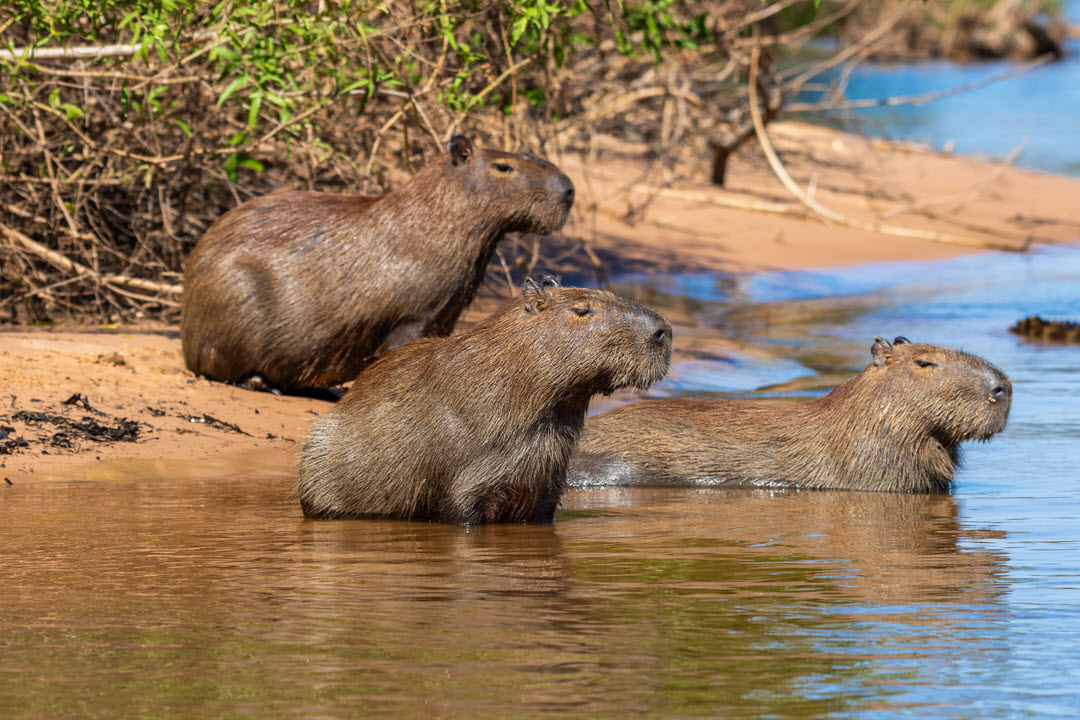
Image: A capybara in a wetland habitat.
Freshwater Habitats
Freshwater habitats include rivers, streams, lakes, ponds, and other environments with very low concentrations of salt. They support fish, amphibians, aquatic insects, reptiles, birds, mammals, and many other organisms. Conditions can vary considerably between fast-moving rivers, quiet ponds, deep lakes, and small streams.
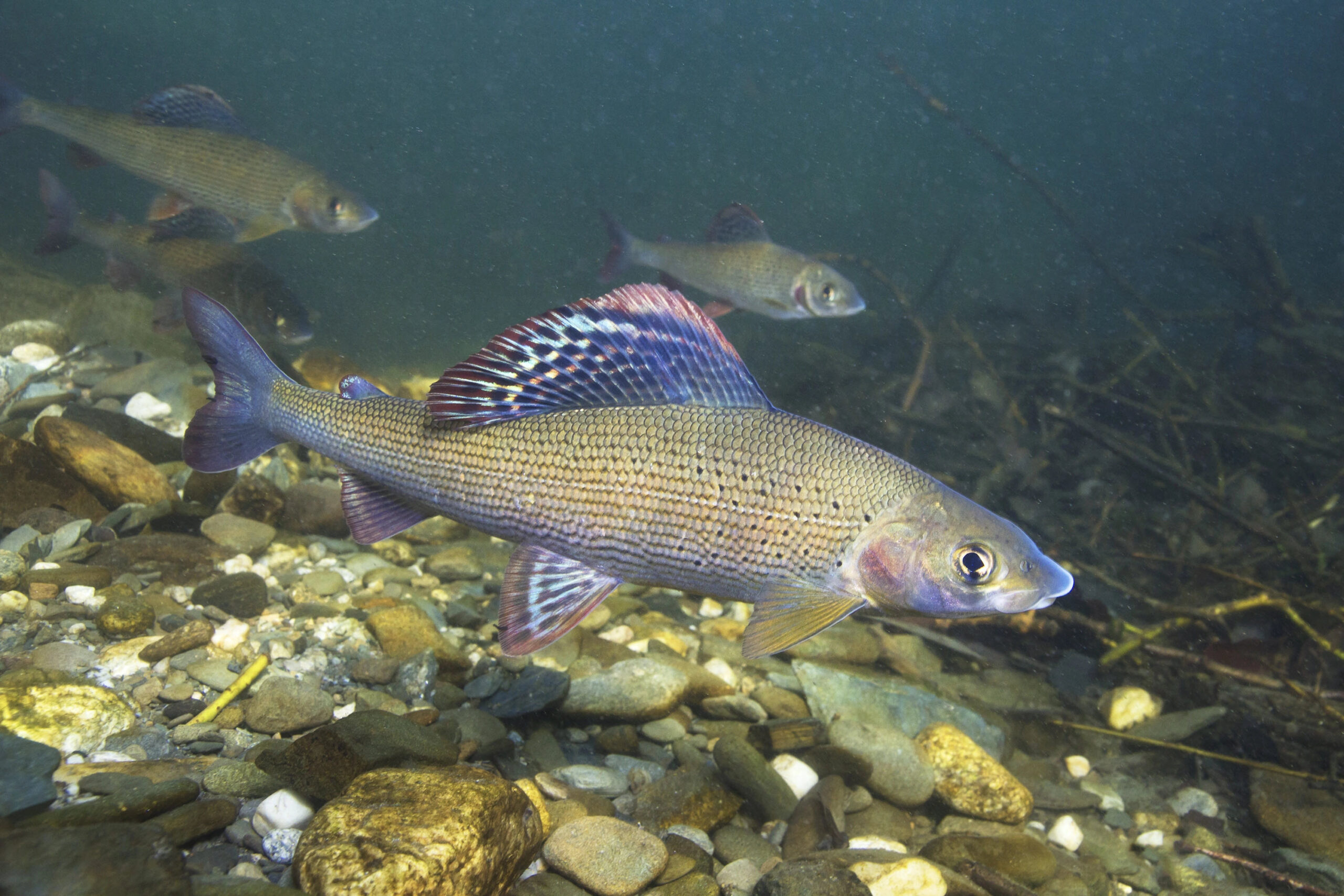
Image: A grayling in a freshwater habitat.
Marine Habitats
Marine habitats are saltwater environments found in the world’s oceans and seas. They range from coastal waters, coral reefs, and seagrass beds to the open ocean and deep sea. Marine animals live at many different depths and under widely different conditions, from warm tropical waters to cold polar seas.
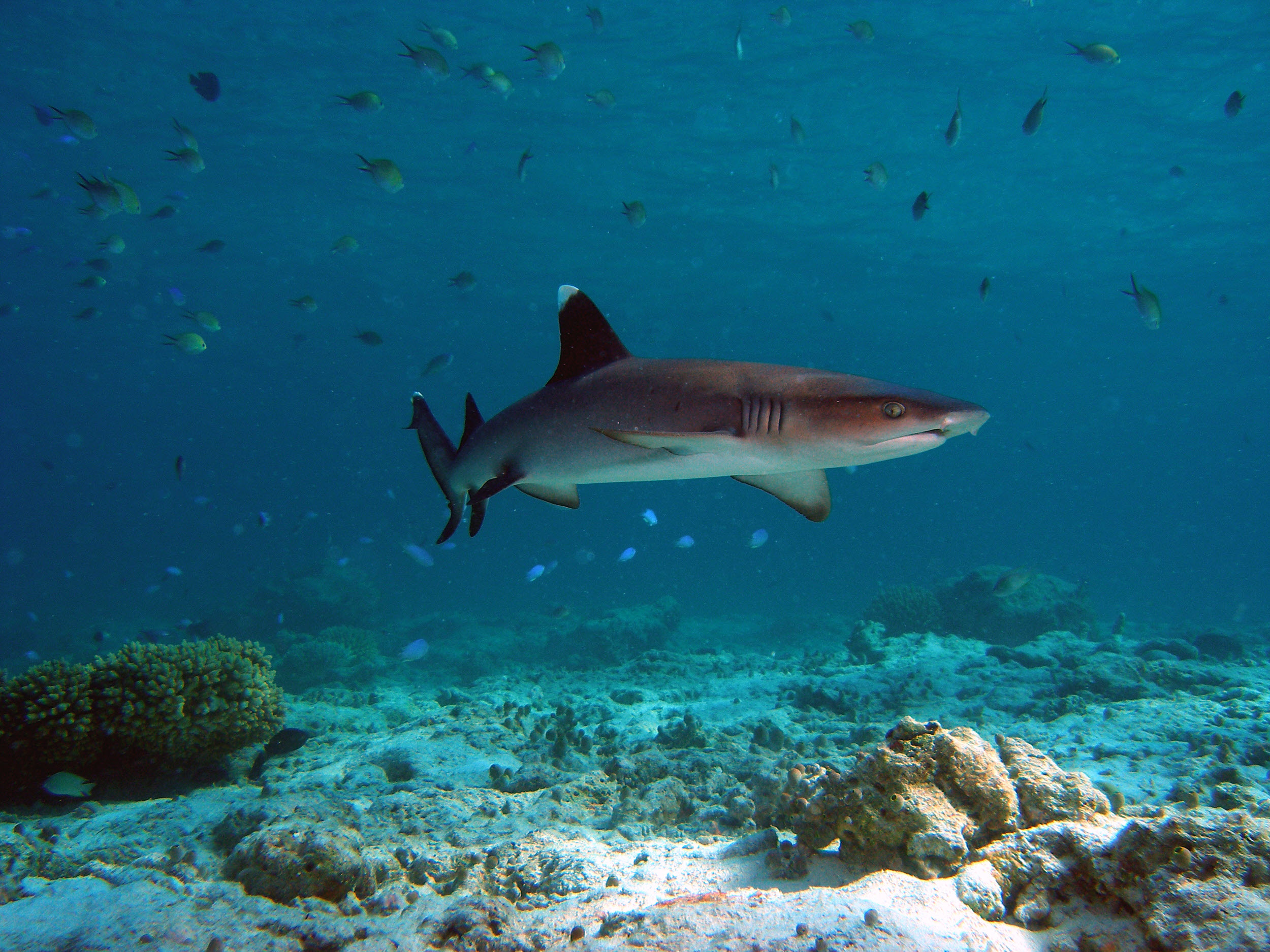
Image: A shark in an ocean habitat.
Mountain Habitats
Mountain habitats change with elevation. As elevation increases, temperatures generally become colder, winds can become stronger, and vegetation often becomes more limited. Animals living in mountainous regions may be adapted for climbing steep terrain, surviving cold temperatures, finding seasonal food, or moving between different elevations during the year.
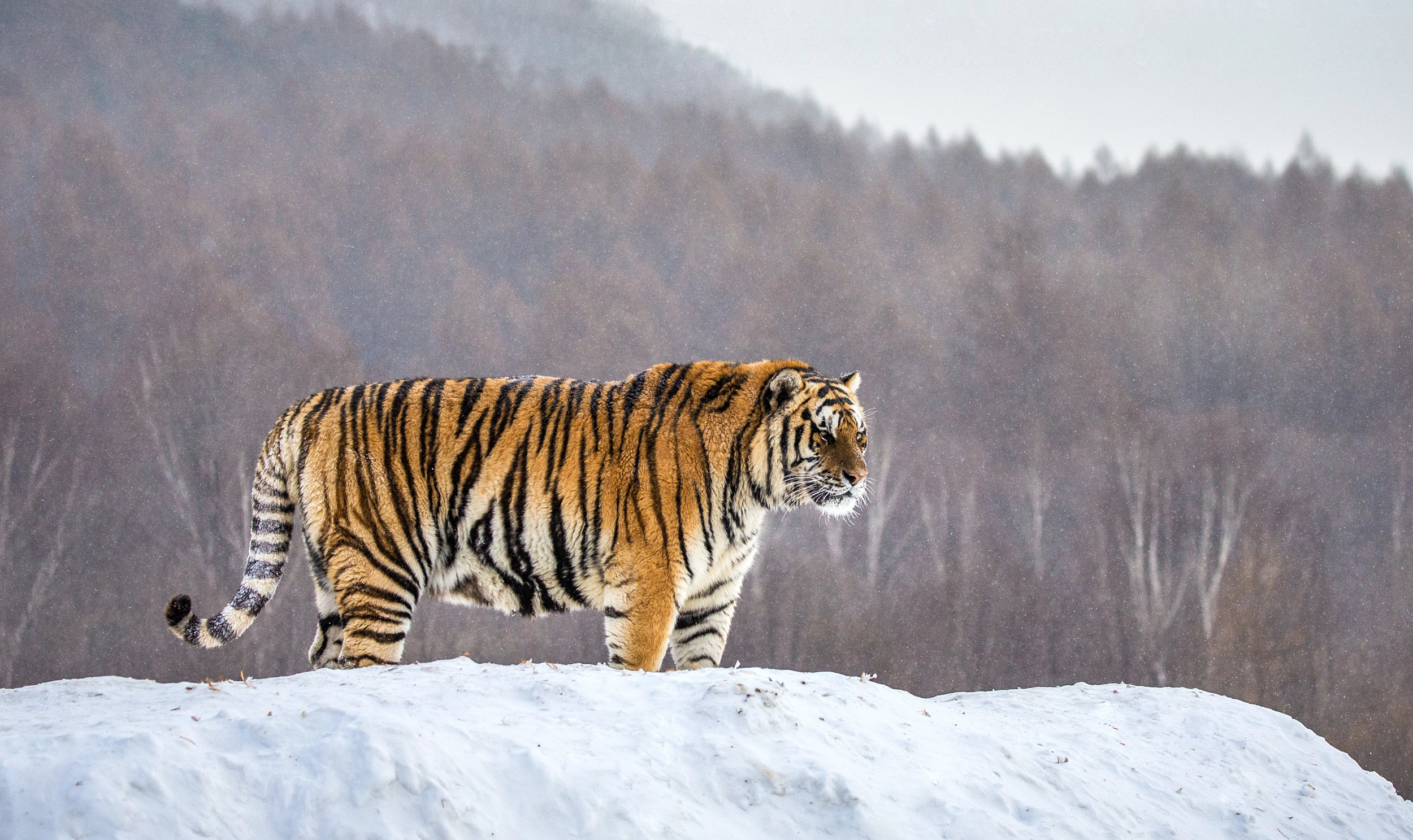
Image: A tiger in a mountain habitat.
Polar Habitats
Polar habitats are found in and around the Arctic and Antarctica. These environments experience extremely cold temperatures, seasonal changes in daylight, ice, snow, and short growing seasons. Animals that live in polar regions may have thick fur, feathers, layers of body fat, seasonal behaviors, or migrations that help them survive these demanding conditions.
Why Animal Habitats Are Important
A habitat provides the conditions and resources an animal needs to survive and reproduce. When habitats are damaged, fragmented, or lost, animals may have difficulty finding enough food, shelter, breeding areas, or space. Habitat changes can affect individual species as well as the larger ecosystems of which they are a part.
Understanding animal habitats helps us understand why animals live where they do, how they have adapted to their environments, and why protecting natural habitats is an important part of wildlife conservation.