
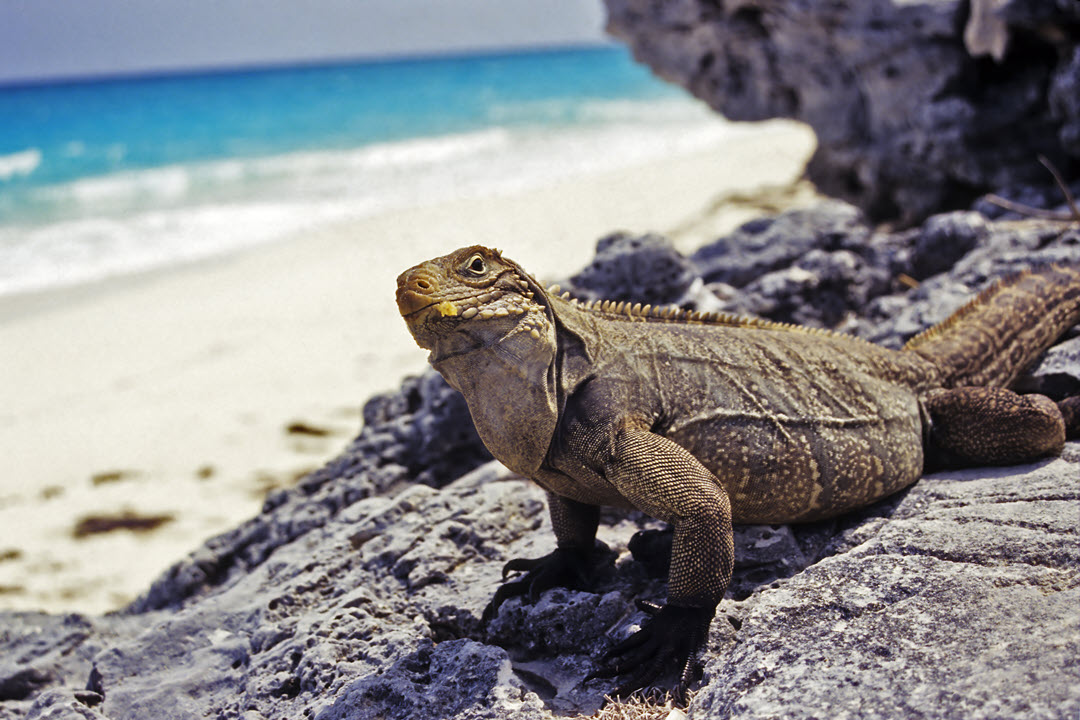
Animal geography looks at where animals are found around the world and the geographic features that help shape their distribution. Continents, oceans, islands, mountains, rivers, and other physical features can influence where species live, how populations spread, and where unique wildlife communities develop.
Some animals have enormous ranges that cross continents or oceans, while others are found only in a small region or on a single island. Studying animal geography helps explain why different parts of the world support different species.
Continents
The world’s continents contain different climates, landscapes, and wildlife. Some animals occur across several continents, while others are restricted to a particular part of the world. Looking at animals by continent helps show how geography, climate, and evolutionary history influence where species are found.
Oceans
Oceans cover most of Earth’s surface and contain an enormous variety of animal life. Marine species are influenced by factors such as water temperature, depth, currents, coastlines, and distance from land. Different oceans and ocean regions support different communities of fish, marine mammals, reptiles, seabirds, and invertebrates.
Islands
Islands can develop distinctive animal communities because populations are separated from those on larger landmasses. Over time, this isolation can lead to species that are found nowhere else. Many island animals are endemic, meaning they naturally occur only in a particular geographic area.
Geographic Regions
Animals can also be studied by major geographic regions that may cross national or continental boundaries. Regions such as the Arctic, Amazon Basin, Sahara, Himalayas, and Mediterranean have distinctive combinations of climate, landforms, vegetation, and wildlife that help define the animals found there.