
Wild Cats
Image: Canada Lynx
Wild Cat Animal Family: Felidae
From the powerful tiger stalking the forests of Asia to the elusive snow leopard roaming the mountains of Central Asia, wild cats are among the most fascinating animals on Earth. Their intelligence, agility, stealth, and remarkable adaptations have allowed them to thrive in an extraordinary range of environments for millions of years.
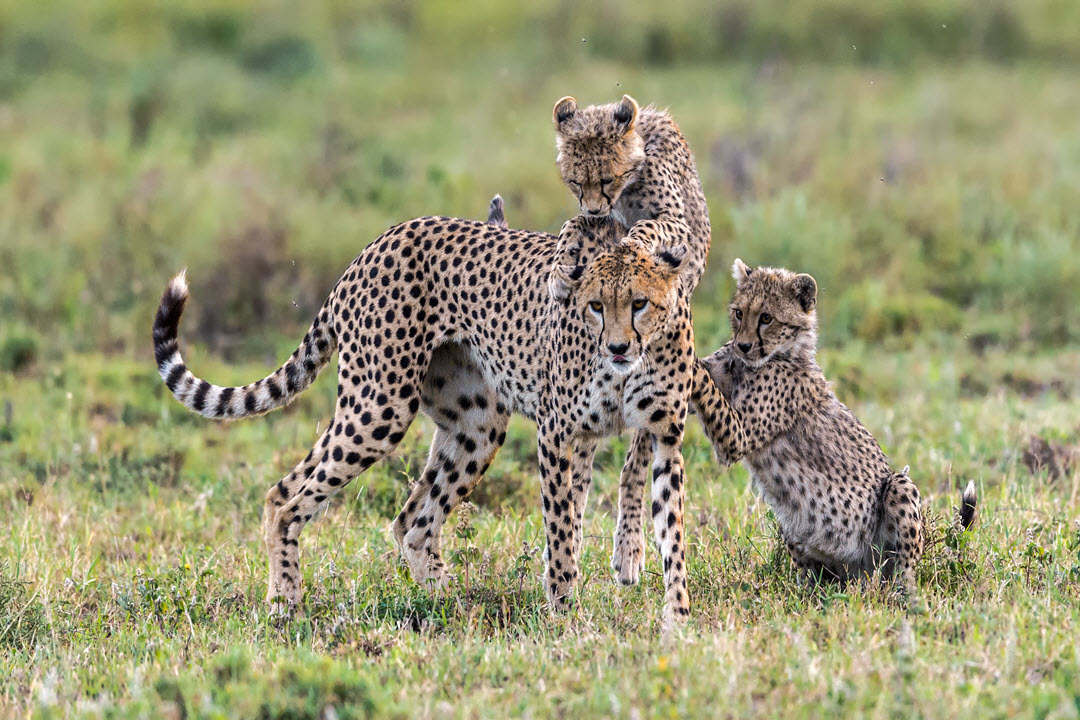
Cheetahs
MENU
These links will take you to our BigCatsWildCats.com website where you can learn more about wild cats.
What is a Wild Cat?
Wild cats belong to the family Felidae, a diverse group of highly specialized animals that evolved millions of years ago. Today they occupy an astonishing variety of habitats across Africa, Asia, Europe, North America, and South America. Some species roam open grasslands, while others spend their lives hidden within dense rainforests, high mountain ranges, deserts, wetlands, or temperate forests.
Although they differ greatly in size, appearance, and behavior, all wild cats share a distinctive set of physical traits. Excellent vision and hearing, powerful muscles, flexible bodies, specialized claws, and remarkable agility help them move, navigate, communicate, and survive in their environments.
Wild cats play important roles in the ecosystems where they live. As predators, they help regulate populations of other animals, which can influence vegetation and many other relationships within a food web. Protecting wild cats can also help protect the habitats that support thousands of other plants and animals.
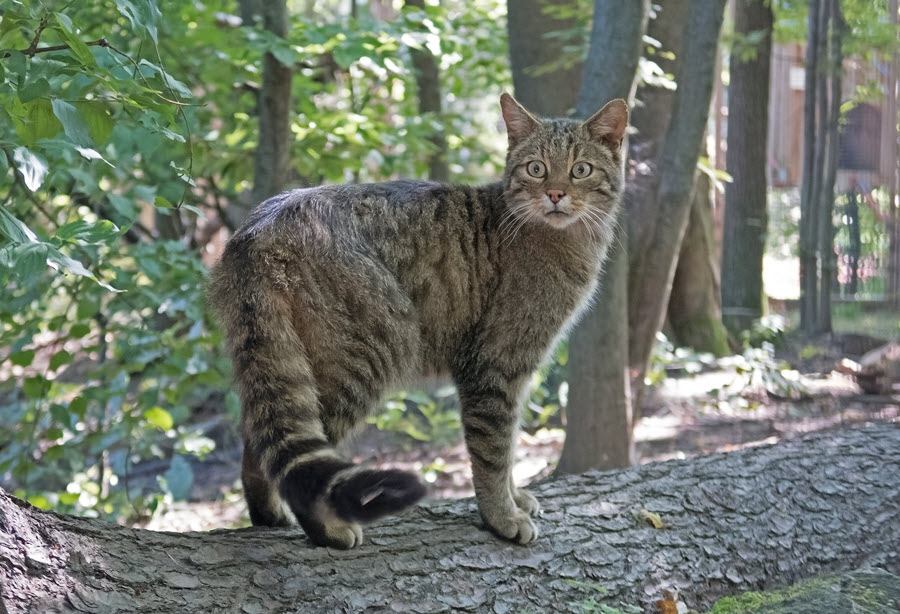
The European Wild Cat
Interesting Facts About Wild Cats
Wild cats continue to surprise scientists with their intelligence, adaptability, and remarkable biology. While many people are familiar with lions and tigers, the cat family contains dozens of lesser-known species with fascinating abilities and behaviors.
- Scientists recognize approximately 40 living species of wild cats.
- Tigers are the largest living cat species.
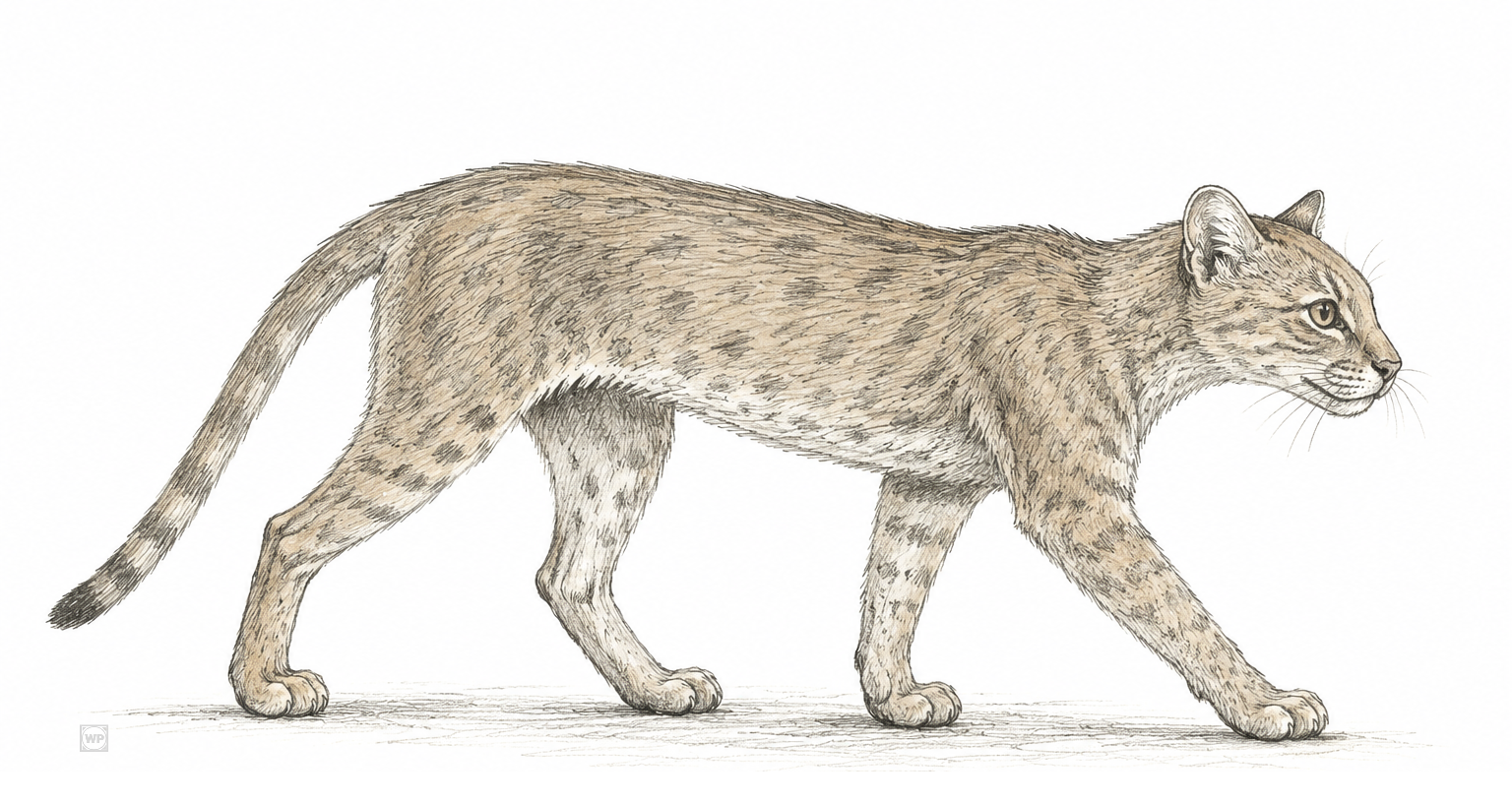
- The rusty-spotted cat is among the world’s smallest wild cats.
- Lions are the most social wild cats and are the only species that regularly lives in prides.
- Snow leopards cannot roar despite belonging to the Panthera genus.
- Cheetahs are the fastest land animals, capable of reaching speeds over 60 miles per hour during short sprints.
- Jaguars have exceptionally powerful jaws and can bite through tough materials such as turtle shells.
- Leopards are exceptional climbers and are able to carry surprisingly heavy animals into trees.
- Fishing cats have partially webbed feet and are strong swimmers well adapted to life around wetlands and waterways.
- Canada lynx have large, heavily furred paws that help them travel across deep snow.
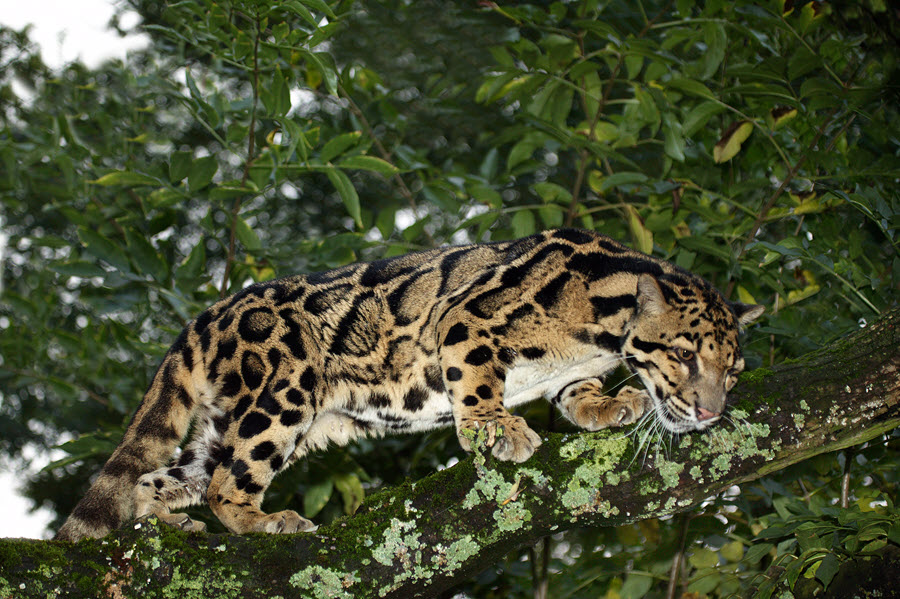
- Clouded leopards have unusually long canine teeth in proportion to the size of their skulls.
- Sand cats can survive in extremely dry desert environments and obtain much of the moisture they need from their food.
- Many small wild cats remain poorly studied because they are secretive, difficult to observe, and often live in remote or densely vegetated habitats.
- Wild cats can play important ecological roles within their food webs, influencing populations of other animals and interacting with many other species in their ecosystems.
The Wild Cat Family
Wild cats are members of the mammal family Felidae. Unlike domestic cats, they have evolved to survive entirely on their own, where they hunt, establish territories, raise young, and compete with other animals for food and space.
Scientists recognize approximately 40 living species of wild cats. They range from the mighty tiger, the largest cat in the world, to tiny species such as the rusty-spotted cat and black-footed cat, which are only slightly larger than many household pets. Despite these dramatic differences in size, every wild cat shares a common ancestry and many of the physical characteristics that distinguish members of the cat family
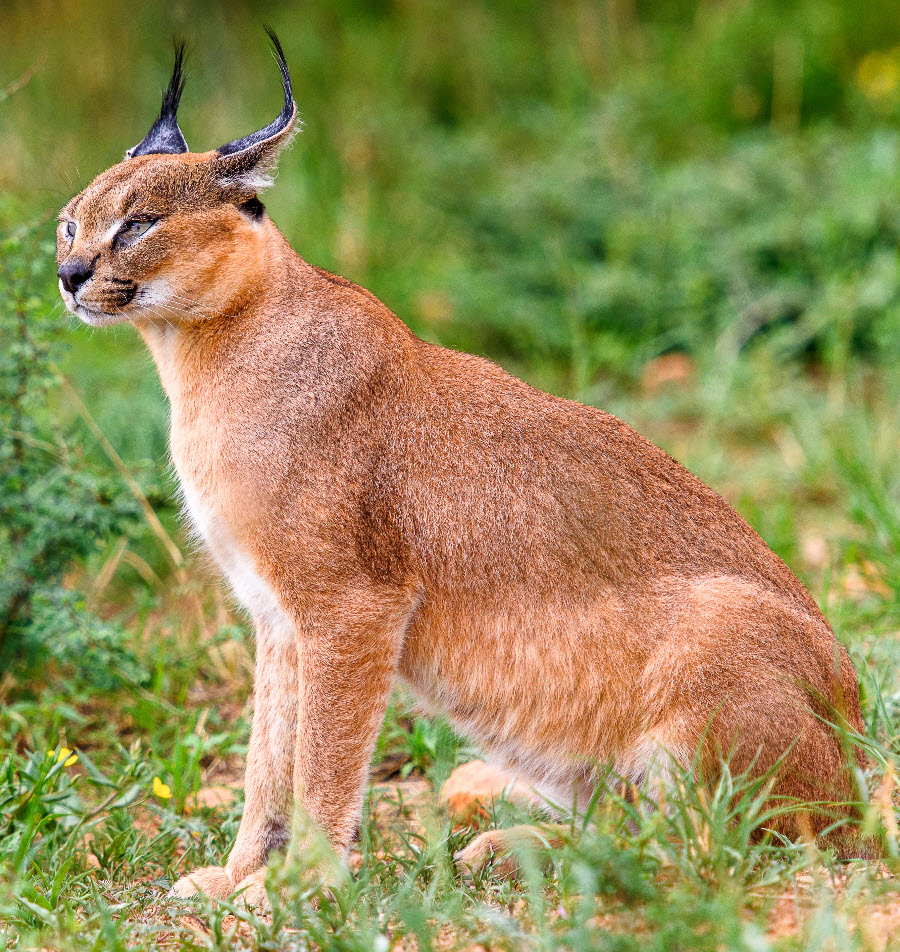
Caracal
Evolution of Wild Cats
The story of wild cats began millions of years before modern lions, tigers, leopards, and other familiar cats appeared. The cats living today are the result of a long evolutionary history shaped by changing climates, shifting habitats, competition, and adaptation to different environments.
One of the earliest known relatives of modern cats was Proailurus, a small, cat-like mammal that lived about 25 million years ago. Proailurus had several features associated with later cats, along with more primitive characteristics. Fossils from animals such as Proailurus help scientists understand the early history of the cat lineage.
As millions of years passed, new kinds of cats evolved and spread into different environments. Cat evolution was not a straight line leading from one ancient species to the cats we know today. Instead, the family tree developed many branches. Some lasted for millions of years before becoming extinct, while others eventually gave rise to the cats that survive today.
Living cats belong to two major branches of the cat family: Pantherinae and Felinae. Pantherinae includes lions, tigers, leopards, jaguars, snow leopards, and clouded leopards. Felinae includes the other living cats, including cheetahs, cougars, lynxes, servals, ocelots, fishing cats, and many of the world’s smallest wild cats.
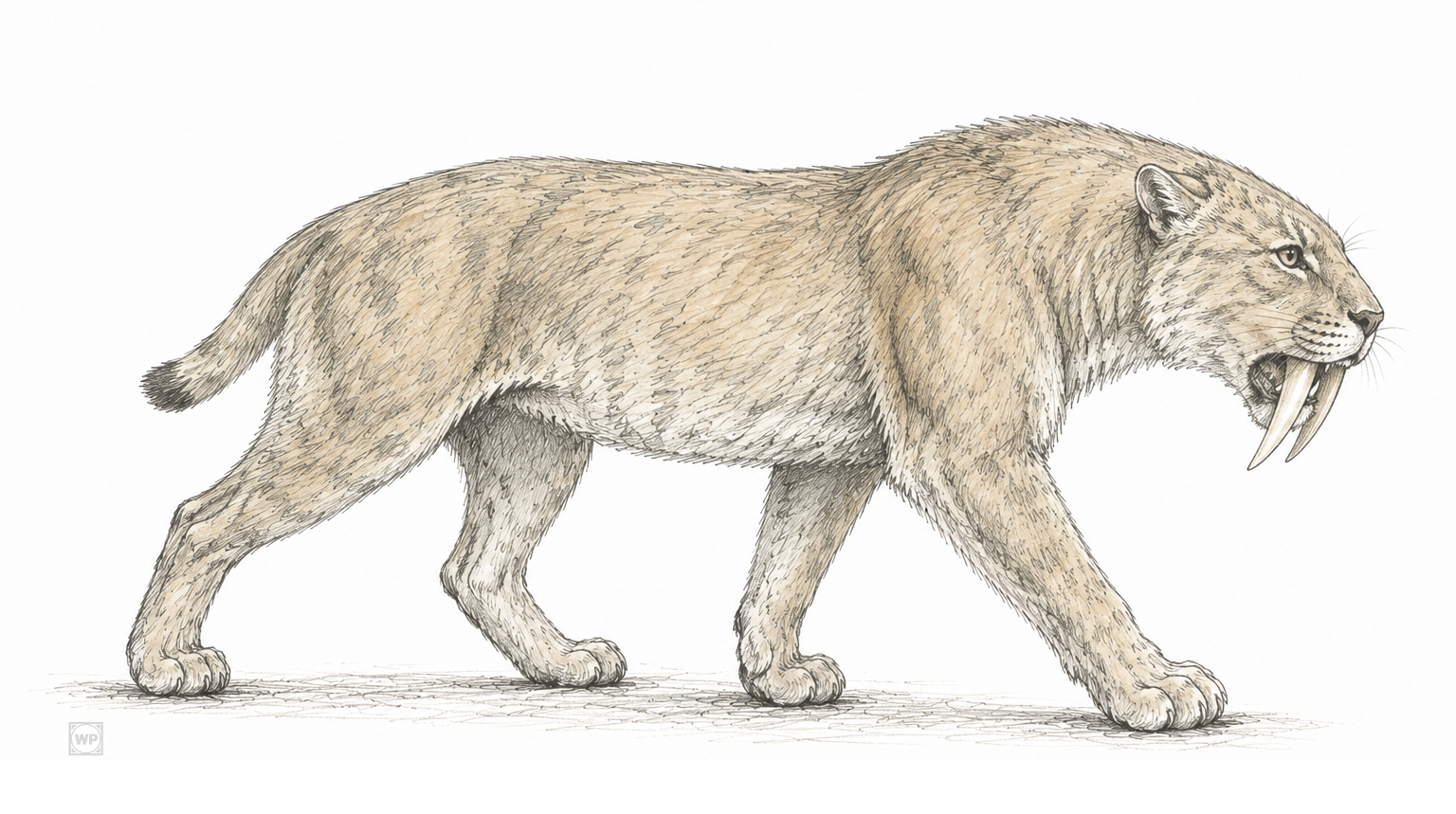
One important branch that no longer survives was Machairodontinae, the saber-toothed cats. These were true members of the cat family and included animals such as Smilodon and Homotherium. Saber-toothed cats lived in many parts of the world for millions of years, but eventually the entire branch became extinct. Their fossils provide another part of the much larger story of how the cat family changed and diversified through time.
Traits and Adaptations
Although each species has evolved adaptations suited to its particular environment, wild cats share many biological traits. Strong, flexible bodies, highly developed senses, specialized teeth and claws, and distinctive coat patterns help them move, communicate, find food, raise their young, and survive in habitats ranging from deserts and grasslands to rainforests and snowy mountains.
Vision
Wild cats have large, forward-facing eyes that provide excellent depth perception and help them judge distances accurately. Most species also see well in low light. A reflective layer behind the retina called the tapetum lucidum helps the eyes make use of available light and is responsible for the familiar glow seen when light shines into a cat’s eyes at night.
Clouded Leopard
Hearing
Wild cats have highly sensitive hearing and can detect sounds that humans cannot hear. Their ears help them locate other animals, recognize potential danger, and communicate with other cats. Many species can rotate their ears to determine where a sound is coming from.
Sense of Smell
Smell provides wild cats with important information about their surroundings and other animals. They use scent glands and urine marking to communicate, mark territories, identify neighboring cats, and signal reproductive status.
Teeth and Claws
Wild cats have sharp canine teeth and specialized carnassial teeth adapted to their carnivorous diet. Most species also have retractable claws that remain protected when not in use and can be extended for climbing, gripping, defense, and other activities. Cheetahs are a notable exception because their claws are only partially retractable.
Coat colors and patterns help wild cats blend into their surroundings. Stripes, spots, rosettes, and solid colors can make an animal more difficult to detect among grasses, forests, rocks, snow, or desert landscapes. These patterns vary among species and reflect the environments in which they evolved.
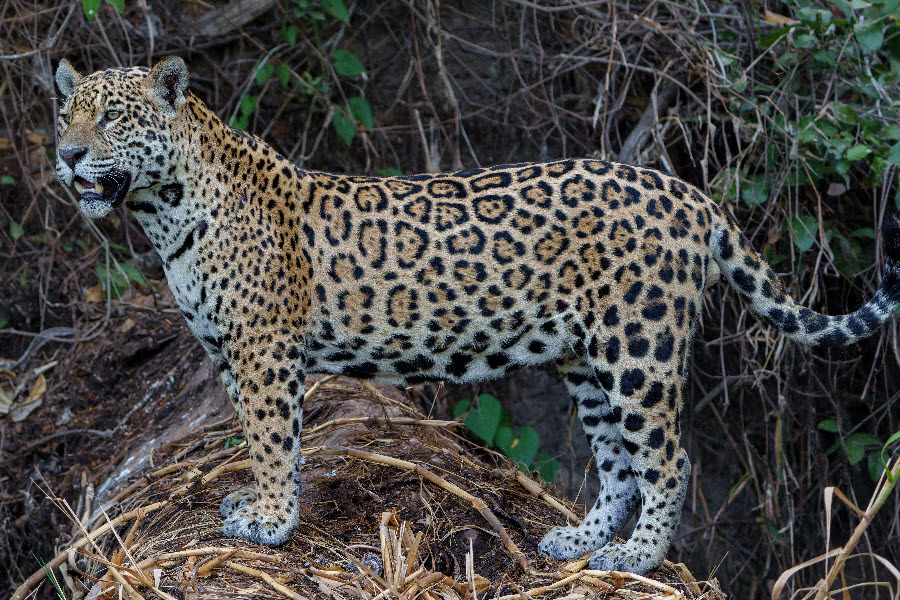
A jaguar on the hunt.
Physical Appearance
Although all wild cats belong to the same family, their appearance reflects millions of years of adaptation to different environments.
Body size varies tremendously. Adult tigers may weigh more than 600 pounds, while the smallest wild cats weigh less than 5 pounds. Despite these differences, the overall body plan remains remarkably consistent. Flexible spines, muscular shoulders, powerful hind legs, retractable claws, sharp canine teeth, and forward-facing eyes are shared by nearly every member of the cat family.
Coat colors and patterns also vary widely. Tigers wear bold vertical stripes that help them disappear among tall grasses and forest shadows. Leopards and jaguars are covered with rosettes that break up their outline beneath leaves and branches. Snow leopards blend almost perfectly with rocky mountain landscapes through their pale gray coats and dark markings. Lions, which spend much of their lives in open grasslands, rely on more uniform coloration that blends with dry vegetation.
Tail length, ear shape, body proportions, and paw size differ according to habitat. Cats that climb frequently often have long tails that help maintain balance, while species living in snowy environments possess broad, heavily furred feet that provide insulation and improve traction. Desert cats typically have large ears that help release body heat and detect small prey beneath the sand.
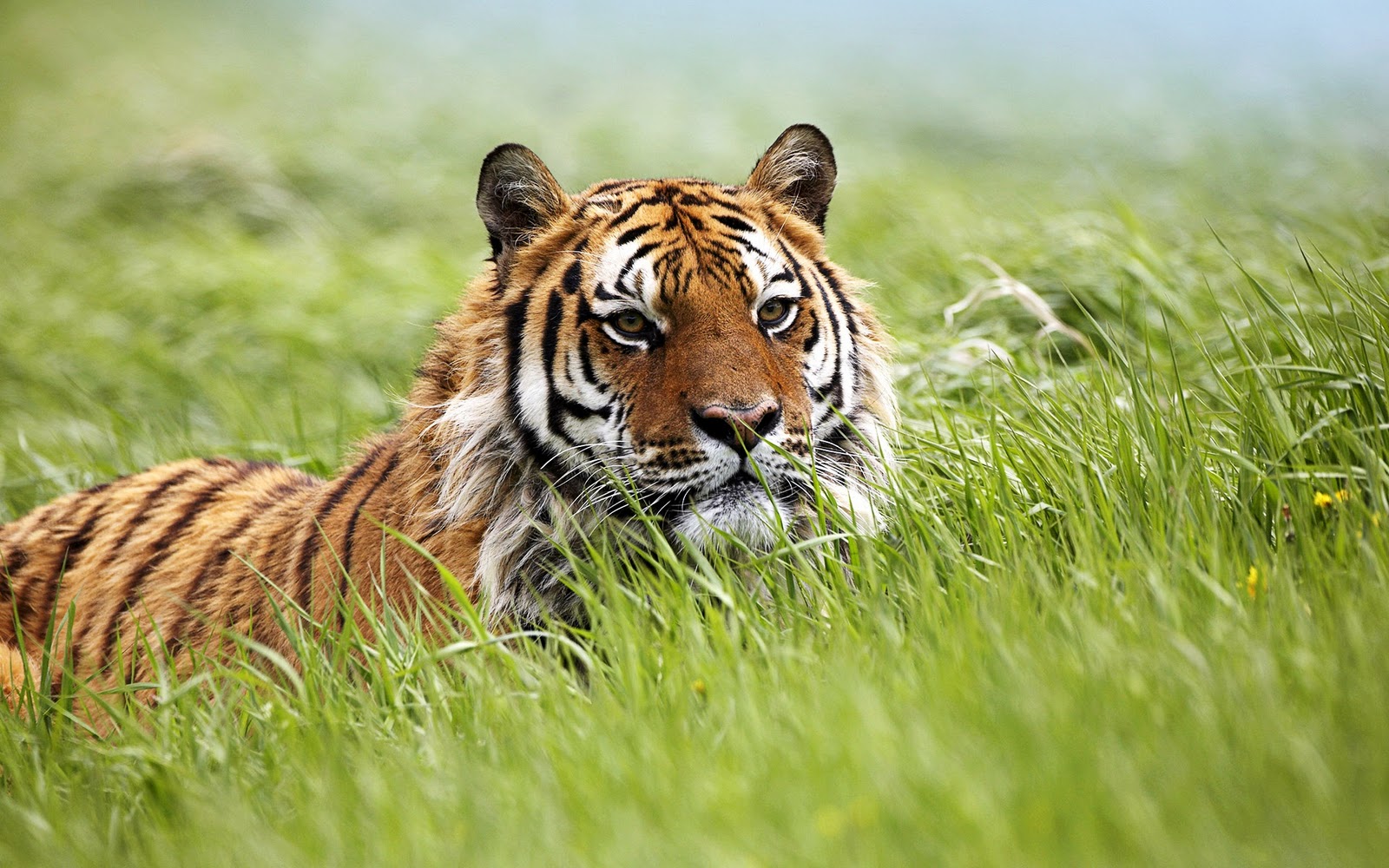
A tiger resting in the grass.
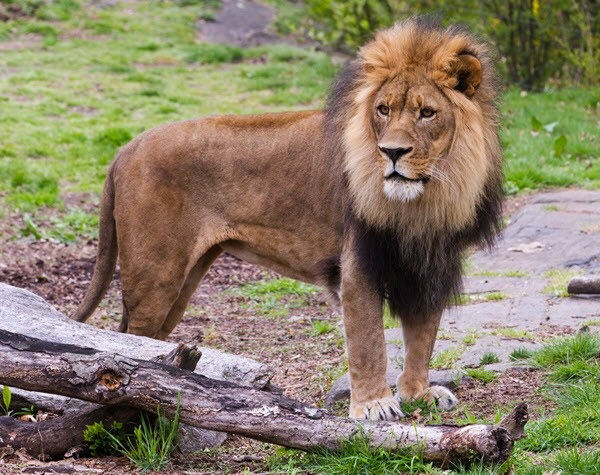
Lion
Where Wild Cats Live
Few animal families have adapted to as many different environments as wild cats. Today they occupy nearly every major terrestrial habitat except Antarctica and Australia, where no native wild cat species evolved naturally.
African savannas support lions, cheetahs, servals, and caracals. Tropical rainforests in South America are home to jaguars, ocelots, margays, and jaguarundis. Dense Asian forests provide habitat for tigers, clouded leopards, leopard cats, and fishing cats. High mountain ranges shelter snow leopards, while northern forests across Europe, Asia, and North America support several lynx species.
Some cats thrive in surprisingly harsh environments. Sand cats survive in extremely dry deserts with little available water. Pallas’s cats endure freezing winters across the grasslands and rocky plateaus of Central Asia. Canada lynx have evolved to travel efficiently through deep snow, while fishing cats hunt along rivers, wetlands, and mangrove forests.
Each species depends on habitats that provide three essential resources:
- Reliable food sources
- Safe places to rest and raise young
- Sufficient territory with limited disturbance
As human development expands, many of these habitats have become fragmented into smaller isolated areas. Roads, farms, cities, and other development can make it increasingly difficult for wild cats to find food, locate mates, and maintain healthy populations. Protecting connected landscapes has therefore become one of the most important goals of modern wildlife conservation.


Wild Cat Behavior
Social Life
Most wild cats are solitary, spending much of their adult lives on their own. They establish home ranges or territories where they find food, rest, and raise their young. Cats often use scent markings, scratches, and vocalizations to communicate their presence to other cats without meeting face to face.
Lions are the major exception. They regularly live in social groups called prides, usually made up of related females, their young, and one or more adult males. Pride members may rest, travel, defend territory, and hunt together.
Other wild cats can also show social behavior. Male cheetahs sometimes form long-lasting groups called coalitions, and individuals of several species may tolerate or interact with other cats under certain circumstances. Wild cat social behavior is therefore more varied than a simple division between “social” and “solitary.”
The amount of space a wild cat uses also varies widely. It depends on the species, habitat, availability of food and water, presence of other cats, and whether the animal is male or female. In some environments a cat may use a relatively small area, while in others it may travel across a very large home range.
How Wild Cats Hunt
Wild cats are masters of stealth. Rather than chasing prey over long distances, they depend on patience, camouflage, and precise timing.
Most hunting begins long before the attack. A cat first identifies suitable prey, then carefully uses vegetation, rocks, shadows, or changes in terrain to remain hidden while moving closer. Every step is deliberate. The animal pauses frequently, watches carefully, and waits for the perfect opportunity.
When the distance is short enough, the attack happens with remarkable speed. Powerful hind legs launch the cat forward in only a fraction of a second. Sharp claws grip the prey while strong jaws deliver a bite designed to end the struggle quickly.
Different species have developed specialized hunting techniques. Leopards frequently ambush prey from dense cover before dragging their meal into trees to protect it from scavengers. Jaguars possess exceptionally powerful jaws capable of biting through the shells of turtles and even the skulls of some prey species. Cheetahs rely less on stealth during the final moments of a hunt, using explosive acceleration and incredible speed to overtake fast-running antelope. Fishing cats often wait patiently beside rivers before striking fish with lightning-fast paws.
Lions are unique among wild cats because they often hunt cooperatively. Members of a pride may surround prey from multiple directions, increasing their chances of capturing large animals that would be difficult for a single cat to overpower.
Regardless of the method used, successful hunts require extraordinary coordination between vision, hearing, smell, balance, strength, and instinct. These abilities have made wild cats among the world’s most efficient predators for millions of years.
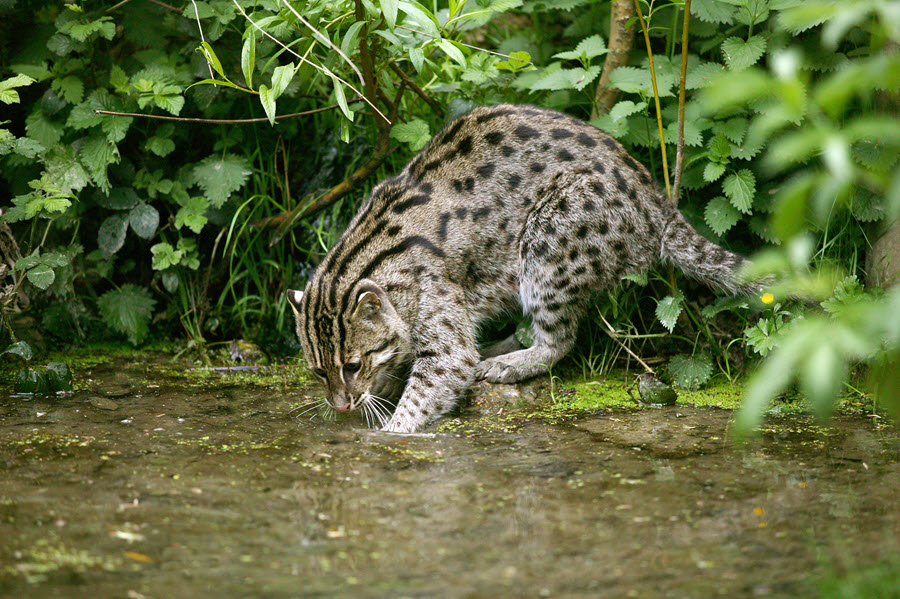
Fishing Cat
What Wild Cats Eat
Wild cats are carnivores, meaning they survive by eating other animals. Their diets vary considerably depending on where they live, their body size, and the types of prey available within their habitat.
Large species often hunt hoofed mammals such as deer, antelope, wild pigs, buffalo, and elk. Jaguars may also prey on caimans, turtles, and large reptiles, while tigers are capable of hunting animals as large as gaur and water buffalo. Lions frequently cooperate to capture zebras, wildebeest, and other large herbivores on the African savanna.
Medium-sized cats consume a wider variety of prey. Leopards may hunt monkeys, antelope, porcupines, birds, and reptiles, while clouded leopards often specialize in tree-dwelling animals. Fishing cats are unusual because fish, frogs, and aquatic animals form an important part of their diet.
Smaller wild cats primarily feed on rodents, rabbits, birds, insects, reptiles, and other small animals. Because these prey species are abundant, many small cats can survive in habitats that would not support larger predators.
Although diets differ, all wild cats share similar hunting principles:
- They rely on stealth rather than endurance.
- They approach prey as closely as possible before attacking.
- Powerful jaws and sharp canine teeth deliver a quick, efficient kill.
- Most consume fresh prey rather than scavenging.
By regulating herbivore and small mammal populations, wild cats help maintain healthy ecosystems and balanced food webs.
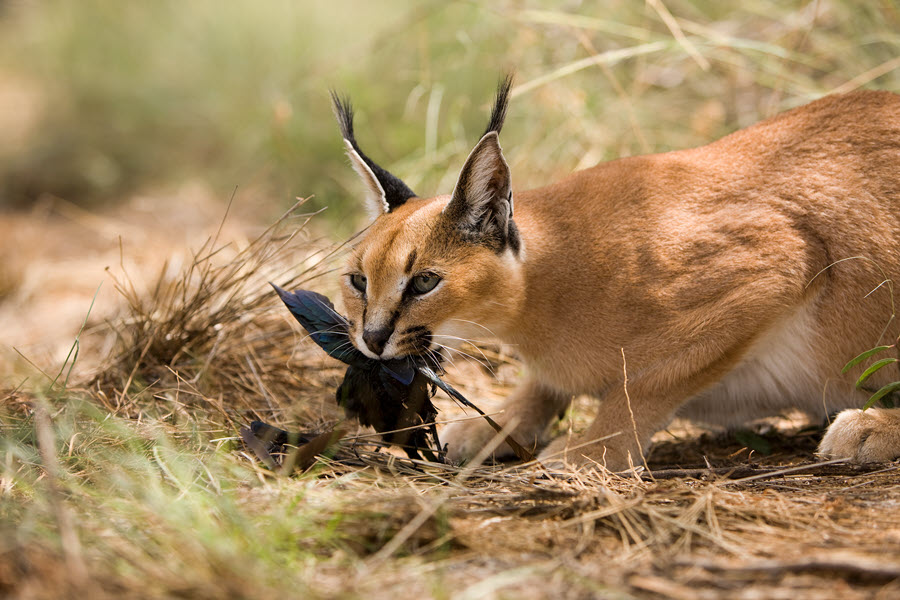
Caracal
Reproduction and Life Cycle
Most wild cats lead solitary lives, meeting only during the breeding season. Courtship may last several days as males and females travel together before mating. Afterward, females usually raise their young without assistance from males.
Pregnancy length varies among species, but mothers generally give birth to litters ranging from one to several kittens. Newborn kittens are blind, helpless, and completely dependent upon their mother for warmth, protection, and food.
During the first weeks of life, mothers keep their kittens hidden inside dens located among rocks, hollow logs, caves, dense vegetation, or other sheltered locations. As the kittens grow, they gradually begin exploring the surrounding habitat while learning essential survival skills.
Young cats spend months practicing stalking, climbing, pouncing, and hunting through play. These activities strengthen muscles while teaching the coordination necessary for independent life. Eventually they accompany their mother on real hunts before leaving to establish territories of their own.
Life expectancy varies considerably among species and habitats. Wild cats generally live longer in protected environments than in areas where habitat loss, human conflict, disease, or food shortages increase mortality. Large cats often require several years to reach full maturity, making stable populations especially dependent upon successful reproduction and habitat protection.
Why Wild Cats Are Important
Wild cats are more than beautiful and fascinating animals. They are important parts of the ecosystems where they live. From tigers and lions to small cats weighing only a few pounds, wild cats help shape the communities of animals and plants around them.
They Help Keep Ecosystems in Balance
By hunting other animals, wild cats help keep prey populations from becoming too large. This can affect an entire ecosystem. When populations of plant-eating animals are kept in balance, vegetation has a better chance to grow and recover, providing food and shelter for many other species.
Large cats can have especially important roles as top predators. Lions, tigers, leopards, jaguars and other large predators influence where prey animals move, feed and gather. Their presence can affect many different relationships within a food web.
Small Wild Cats Matter, Too
A predator doesn’t have to be large to be important. Small wild cats hunt rodents, birds, reptiles, insects and other small animals. By controlling these populations, they become part of the natural balance of forests, grasslands, deserts, mountains and wetlands.
Small cats are also prey for larger animals in some ecosystems. This means they can occupy more than one place in a food web—both hunting other animals and providing food for other predators.
Wild Cats Can Tell Us About the Health of a Habitat
Wild cats need healthy places to live. They need enough prey, suitable shelter, clean water and space to hunt and raise their young. When wild cat populations are doing well, it can be a sign that many of the resources they depend upon are still present.
When wild cats disappear, it can also warn scientists that an ecosystem is changing. Habitat loss, declining prey populations, pollution, conflict with people and other pressures can affect cats as well as many of the species that share their habitats.
Protecting Wild Cats Can Protect Other Wildlife
Many wild cats require large or specialized habitats. Protecting those places can benefit far more than the cats themselves.
A protected tiger forest, jaguar landscape or snow leopard mountain habitat can also provide space for thousands of other species—from plants and insects to birds and large mammals. Conservationists sometimes call animals whose protection benefits many other species umbrella species.
They Are Part of Our Culture
For thousands of years, wild cats have appeared in human stories, art, beliefs and traditions. Today, they continue to inspire curiosity about the natural world.
But their greatest importance is not what they mean to us. Wild cats are part of Earth’s living systems. Each species has evolved to occupy its own place in nature, and protecting wild cats helps preserve the complex relationships that make ecosystems work.
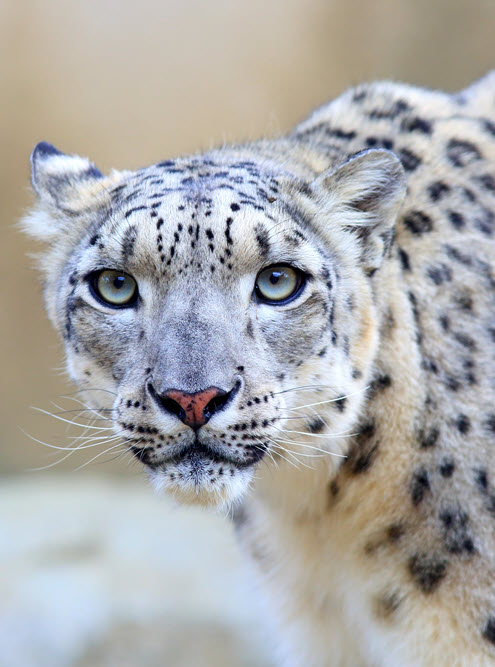
Snow Leopard
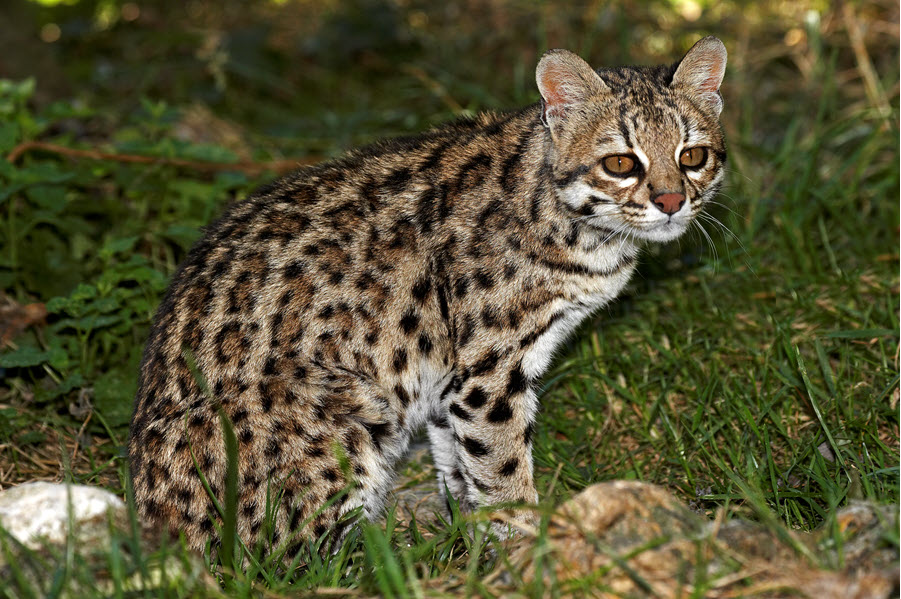
Tiger Cat
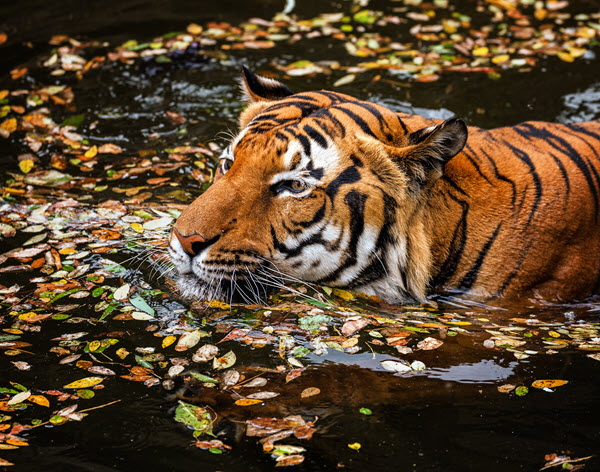
Sumatran Tiger
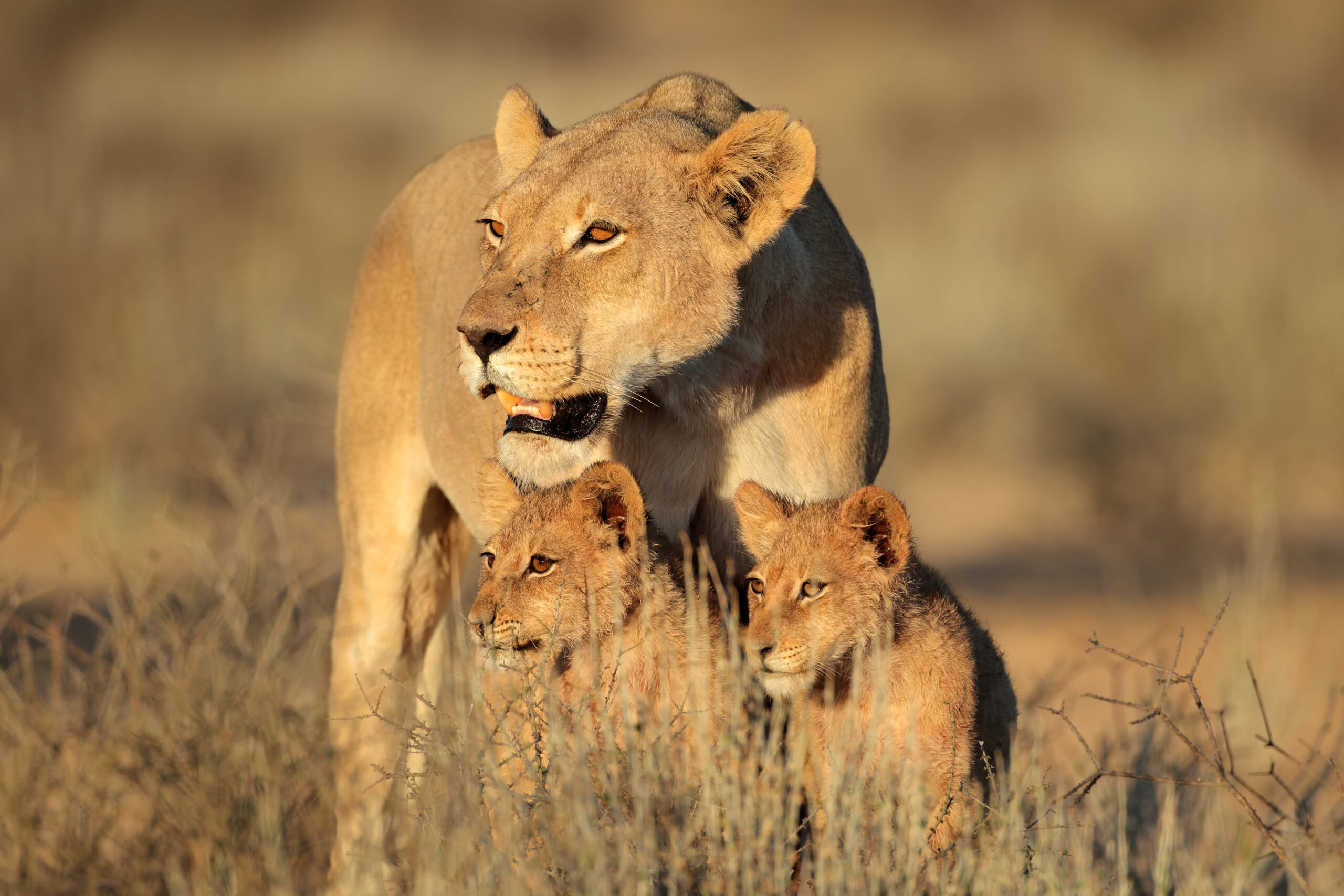
Lioness and her cubs
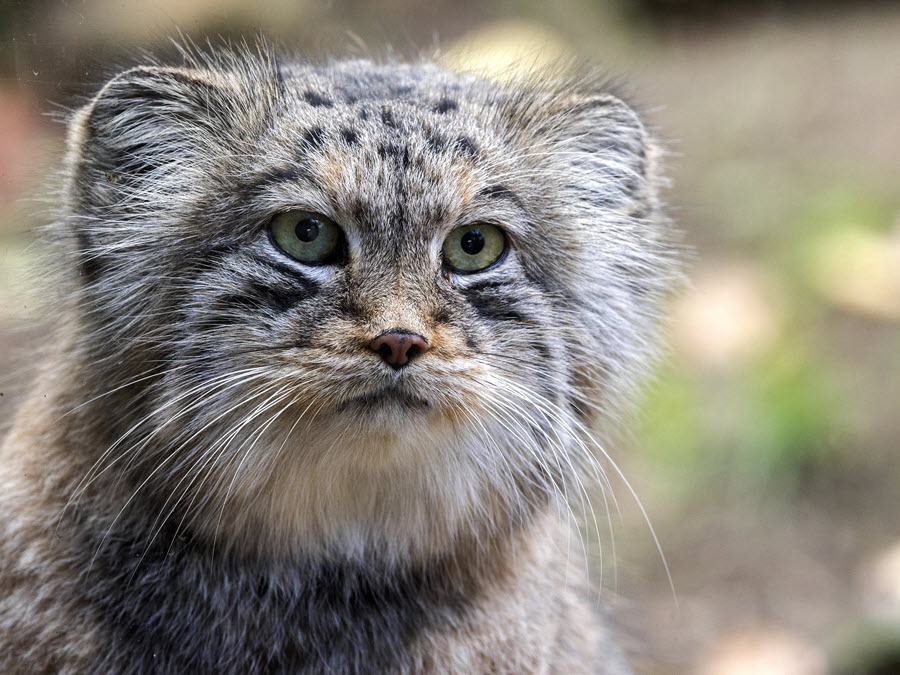
Pallas’s Cat
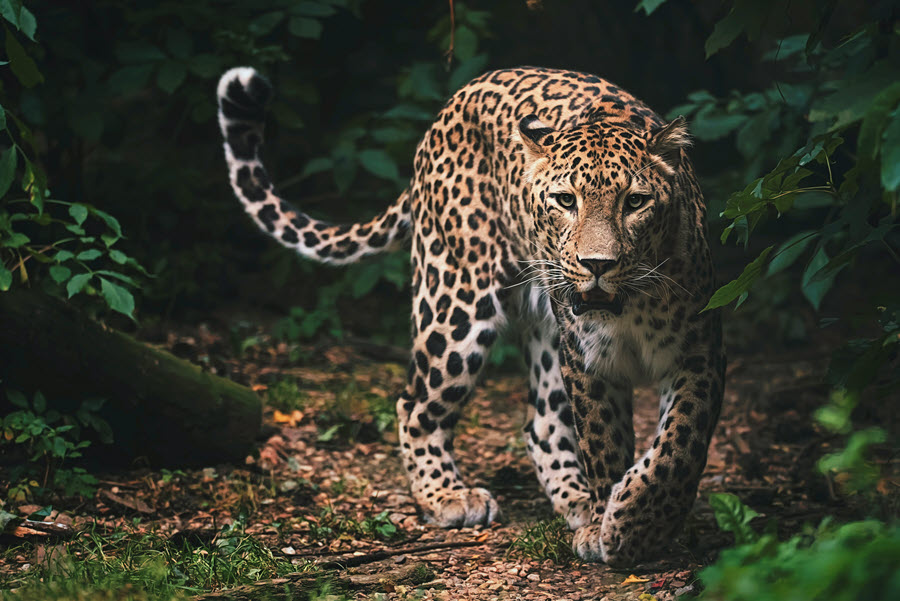
Persian Leopard
Wild Cat Conservation & Protection
Many wild cat species now face unprecedented challenges created by human activity. Habitat destruction, declining prey populations, illegal wildlife trade, climate change, and conflict with people have placed increasing pressure on cat populations across the globe.
Habitat Loss
Expanding agriculture, logging, mining, roads, and urban development continue to reduce and fragment natural habitats. As forests, grasslands, and wetlands disappear, wild cats lose access to hunting areas, breeding sites, and migration corridors.
Human-Wildlife Conflict
When natural prey becomes scarce, some wild cats attack livestock, creating conflict with nearby communities. In retaliation, cats may be trapped, poisoned, or shot. Finding ways for people and wildlife to coexist has become an important conservation priority.
Illegal Wildlife Trade
Despite international protections, illegal trade in skins, bones, teeth, claws, and other body parts continues to threaten several species. Law enforcement and international cooperation remain essential for reducing wildlife trafficking.
Declining Prey
Healthy predator populations depend on healthy prey populations. Overhunting, habitat degradation, and ecosystem changes can reduce the availability of prey, making it more difficult for wild cats to survive and reproduce.
Climate Change
Changing temperatures and weather patterns are altering habitats around the world. Mountain species such as snow leopards and cold-adapted lynx may face additional challenges as suitable habitat shifts over time.
Conservation Success
Protected national parks, wildlife reserves, habitat restoration projects, anti-poaching patrols, scientific research, community conservation programs, and international cooperation have helped stabilize or improve several wild cat populations.
Modern conservation increasingly focuses on protecting entire ecosystems rather than individual species. By preserving forests, grasslands, wetlands, and mountain habitats, conservationists also protect countless other plants and animals that share those environments.
Research & Quotes
Wild cat research continues to reveal new insights into the behavior, genetics, ecology, and conservation of these remarkable predators. Advances in satellite tracking, camera traps, DNA analysis, artificial intelligence, and remote sensing now allow scientists to study species that were once extremely difficult to observe in the wild.
Recent research has improved our understanding of population sizes, migration corridors, predator-prey relationships, and the importance of maintaining connected habitats. Scientists are also using genetic studies to better understand how isolated populations can remain healthy over the long term.
“Poaching, habitat loss and human wildlife conflict are driving wild cat populations toward a tipping point. Without action, we risk losing not only some of the world’s most iconic species, but also the ecosystems, cultures and communities that have long coexisted with them.” – Panthera Impact Report 2025
“We are facing the very real possibility of seeing these titans of nature go extinct in the wild in our lifetime, on our watch.” IUCN World Wildlife Day 2018
2025 Wild Cat Update
Highlights from recent wild cat research and conservation include:
- Continued expansion of camera trap surveys in remote habitats.
- Improved satellite tracking of several endangered cat populations.
- Ongoing efforts to reduce human-wildlife conflict through community conservation programs.
- New habitat restoration projects designed to reconnect fragmented landscapes.
- Continued international cooperation to combat illegal wildlife trafficking.
- Advances in genetic research helping conservationists manage vulnerable populations.
As research continues, scientists gain a better understanding of how wild cats interact with their ecosystems and how conservation efforts can become even more effective.


Cat-like guardian figure, Bali, Indonesia
The Tyger
William Blake, 1794
Tyger! Tyger! burning bright
In the forests of the night,
What immortal hand or eye
Could frame thy fearful symmetry?
Full poem:
https://poets.org/poem/tyger
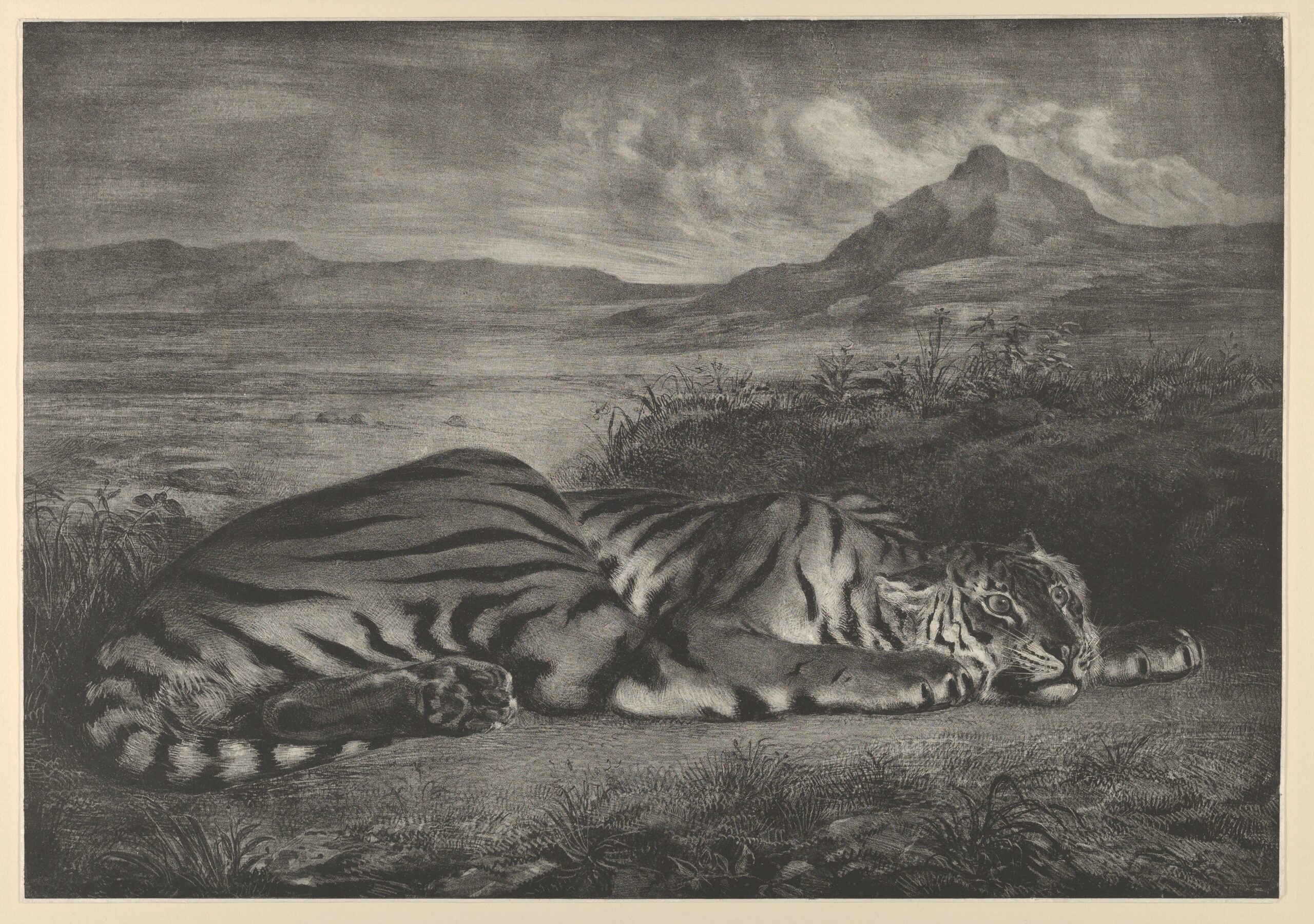
Royal Tiger – Eugene Delacroix 1829
Wild Cats in Culture
For thousands of years, wild cats have captured the human imagination. Their strength, independence, beauty, and mystery have inspired stories, artwork, religious beliefs, and cultural traditions across the globe.
In Ancient Egypt, cats were deeply respected for their ability to control rodents and protect food supplies. The goddess Bastet was often portrayed with the head of a cat and symbolized protection, fertility, and the home. Although Bastet was inspired primarily by domestic cats, large wild cats also appeared in Egyptian art and mythology as symbols of power.
Across many African cultures, lions have long represented courage, leadership, and royalty. Their image appears in traditional stories, national symbols, coats of arms, and modern conservation campaigns. Lions continue to symbolize strength throughout much of the world.
In Asia, tigers occupy a special place in folklore and religion. They are often associated with bravery, protection, and authority. In Chinese tradition, the tiger is one of the twelve animals of the zodiac and represents confidence and determination. Throughout India and Southeast Asia, tigers appear in mythology, literature, and traditional artwork.
Jaguars held enormous spiritual significance for many Indigenous civilizations of Central and South America. The Maya and Aztec peoples viewed the jaguar as a powerful symbol connected with leadership, warriors, and the natural world. Jaguar imagery appears throughout ancient temples, sculptures, and ceremonial objects.
Today, wild cats continue to influence modern culture through books, films, documentaries, photography, sports teams, conservation organizations, and educational programs. They remain some of the most recognizable and admired animals on Earth, inspiring people to learn about wildlife and support efforts to protect the natural world.
Learn More
For detailed species profiles, photographs, educational resources, and additional learning materials, visit our companion website, BigCatsWildCats.com.