
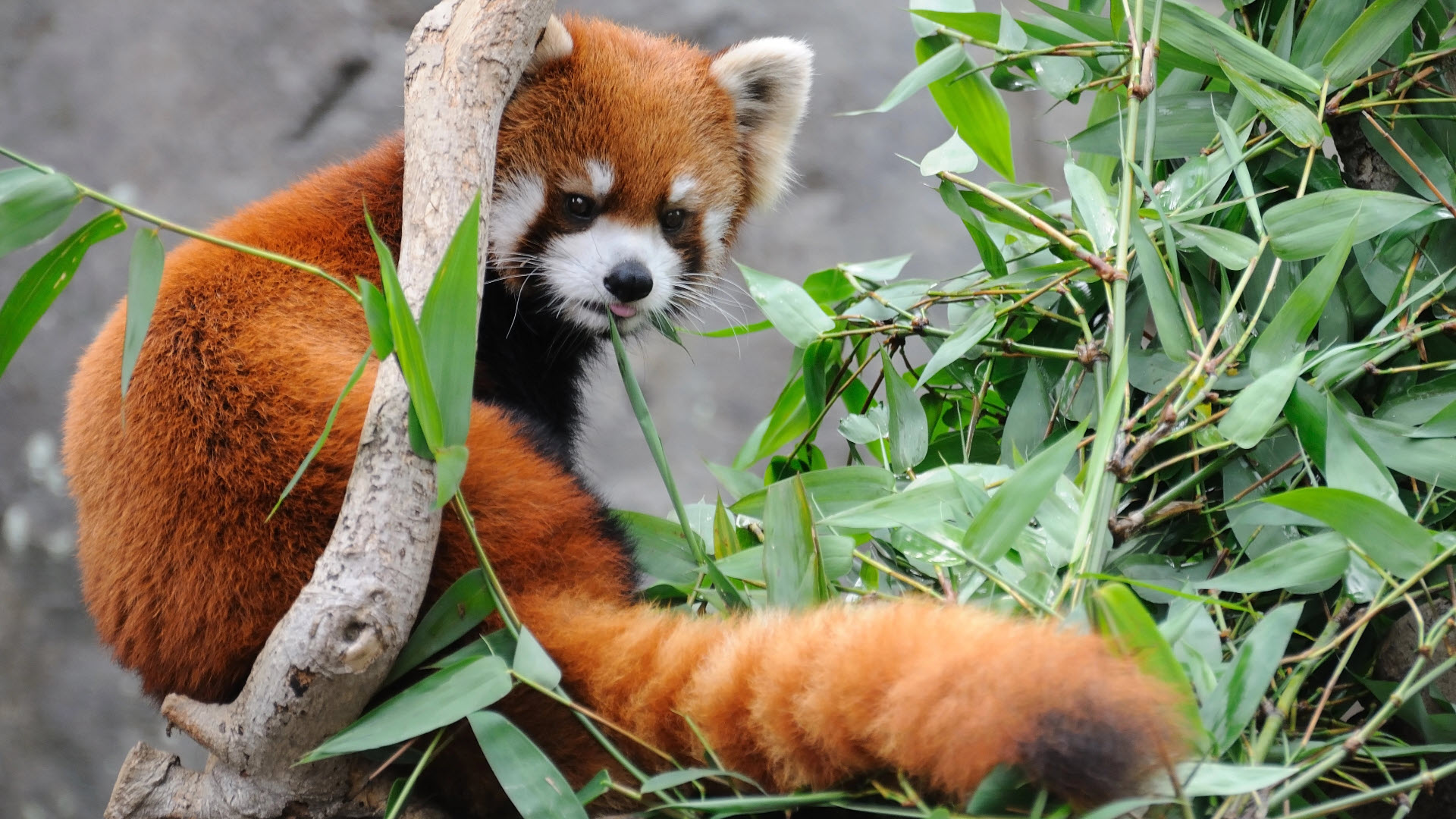
Mammals are found in nearly every environment on Earth, from tropical rainforests and high mountains to rivers and oceans. But many mammal species are declining because of habitat loss, hunting, illegal wildlife trade, fishing, pollution and other threats.
Some are now among the rarest animals on the planet. The Vaquita survives only in a small part of Mexico’s Gulf of California. The Javan Rhino is restricted to a single population in Indonesia. Other threatened mammals, including tigers, elephants and orangutans, still occupy larger ranges but face continuing pressure across much of their habitat.
Conservation status helps scientists track these species and identify those facing the greatest risk of extinction. Understanding which mammals are threatened, where they live and what threatens them is an important first step toward protecting them.
What Does Endangered Mean?
The word endangered is commonly used to describe animals that are in danger of disappearing. Scientists use more specific categories to describe different levels of extinction risk.
The International Union for Conservation of Nature (IUCN) Red List classifies threatened species in three main categories:
- Vulnerable: A species facing a high risk of extinction in the wild.
- Endangered: A species facing a very high risk of extinction in the wild.
- Critically Endangered: A species facing an extremely high risk of extinction in the wild.
The mammals in this guide include species from all three threatened categories. Their individual IUCN status is shown below.
20 Endangered Mammals
These 20 mammals represent only a small sample of the threatened mammals found around the world. They include large predators, primates, elephants, rhinoceroses, marine mammals and lesser-known species that are rarely seen in the wild.
Amur Leopard
Panthera pardus orientalis
IUCN Status: Critically Endangered
Where Found: Russia and China
Main Threats: Habitat loss, prey depletion and poaching.
Javan Rhino
Rhinoceros sondaicus
IUCN Status: Critically Endangered
Where Found: Indonesia
Main Threats: Extremely small population, habitat limitations and poaching.
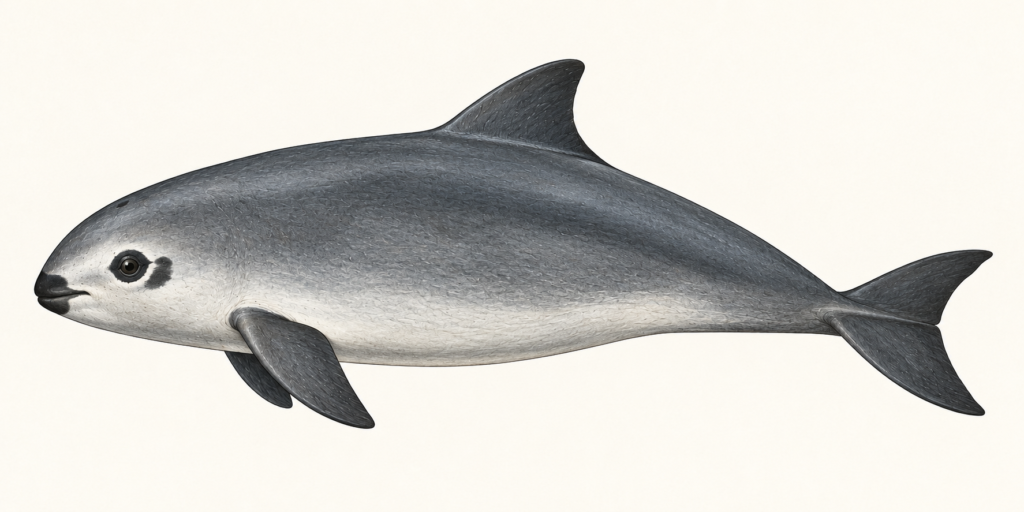 Vaquita
Phocoena sinus
IUCN Status: Critically Endangered
Where Found: Northern Gulf of California, Mexico
Main Threats: Entanglement in fishing gillnets.
Sumatran Orangutan
Pongo abelii
IUCN Status: Critically Endangered
Where Found: Sumatra, Indonesia
Main Threats: Forest loss, fragmentation and hunting.
Mountain Gorilla
Gorilla beringei beringei
IUCN Status: Endangered
Where Found: Central Africa
Main Threats: Habitat pressure, disease and its small, restricted population.
African Forest Elephant
Loxodonta cyclotis
IUCN Status: Critically Endangered
Where Found: Forests of Central and West Africa
Main Threats: Ivory poaching and habitat loss.
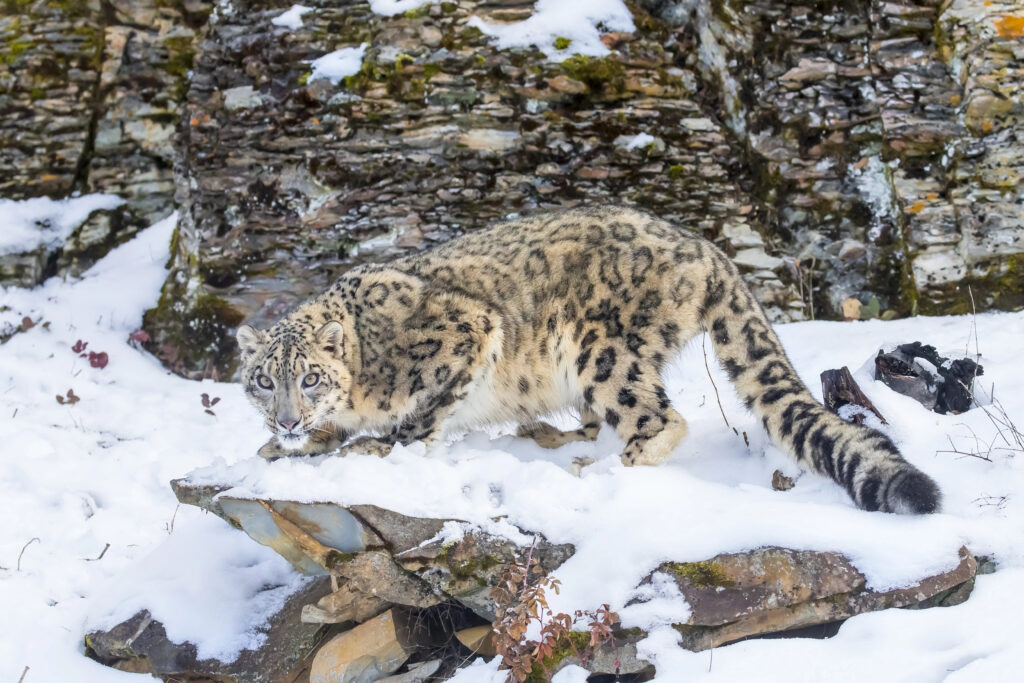 Snow Leopard
Panthera uncia
IUCN Status: Vulnerable
Where Found: Mountain regions of Central and South Asia
Main Threats: Habitat and prey loss, poaching and conflict with people.
Red Panda
Ailurus fulgens
IUCN Status: Endangered
Where Found: Himalayan and southwestern Chinese forests
Main Threats: Habitat loss and fragmentation.
Ethiopian Wolf
Canis simensis
IUCN Status: Endangered
Where Found: Ethiopian highlands
Main Threats: Habitat loss, disease and interactions with domestic dogs.
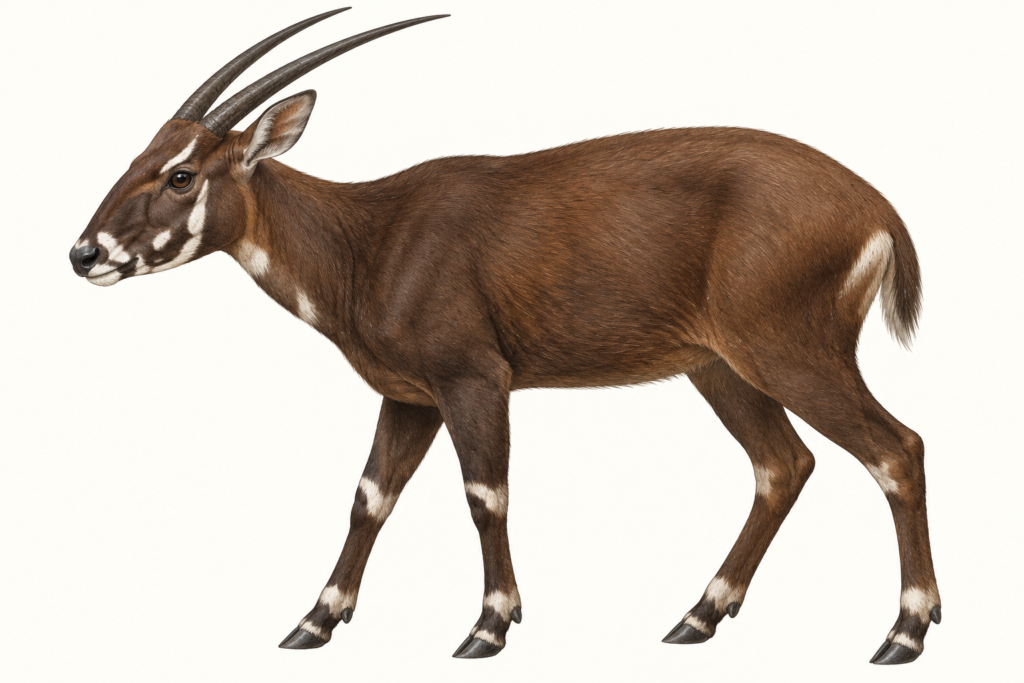 Saola
Pseudoryx nghetinhensis
IUCN Status: Critically Endangered
Where Found: Annamite Mountains of Laos and Vietnam
Main Threats: Hunting and wire snares.
Bornean Orangutan
Pongo pygmaeus
IUCN Status: Critically Endangered
Where Found: Borneo
Main Threats: Forest loss, fragmentation and hunting.
Black Rhinoceros
Diceros bicornis
IUCN Status: Critically Endangered
Where Found: Eastern and southern Africa
Main Threats: Poaching for rhino horn.
Asian Elephant
Elephas maximus
IUCN Status: Endangered
Where Found: South and Southeast Asia
Main Threats: Habitat loss, fragmentation and human-elephant conflict.
Blue Whale
Balaenoptera musculus
IUCN Status: Endangered
Where Found: Oceans worldwide
Main Threats: Ship strikes, fishing-gear entanglement, underwater noise and other human activities.
Tiger
Panthera tigris
IUCN Status: Endangered
Where Found: Asia
Main Threats: Habitat loss, poaching, prey depletion and conflict with people.
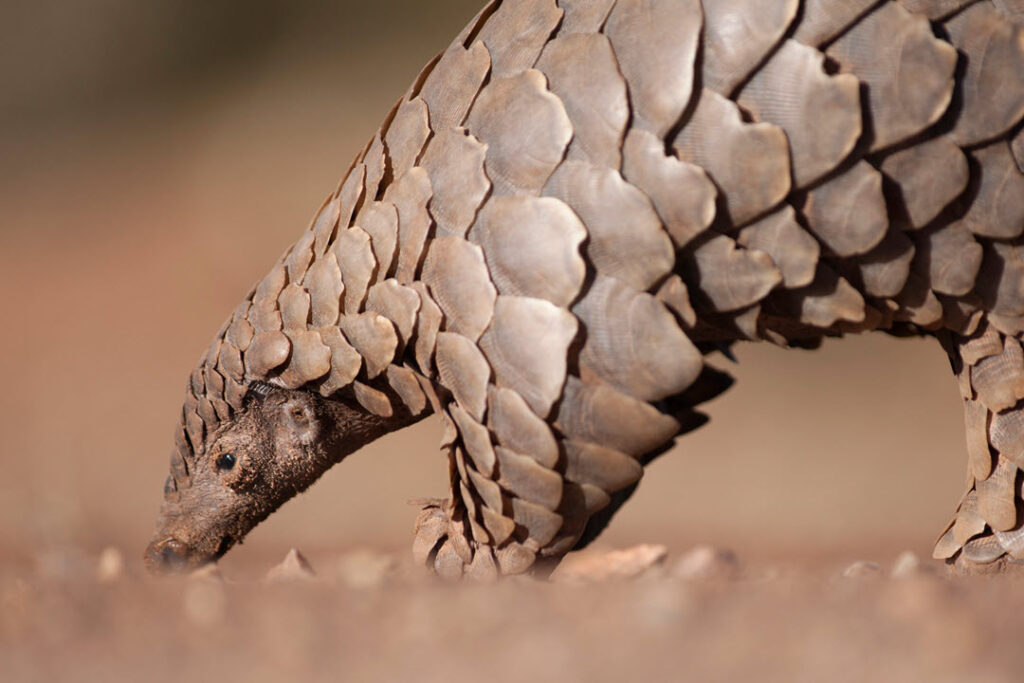 Giant Pangolin
Smutsia gigantea
IUCN Status: Endangered
Where Found: Central and West Africa
Main Threats: Hunting and illegal wildlife trade.
Indus River Dolphin
Platanista minor
IUCN Status: Endangered
Where Found: Indus River system, primarily in Pakistan
Main Threats: Altered river flows, fishing-gear entanglement and habitat fragmentation.
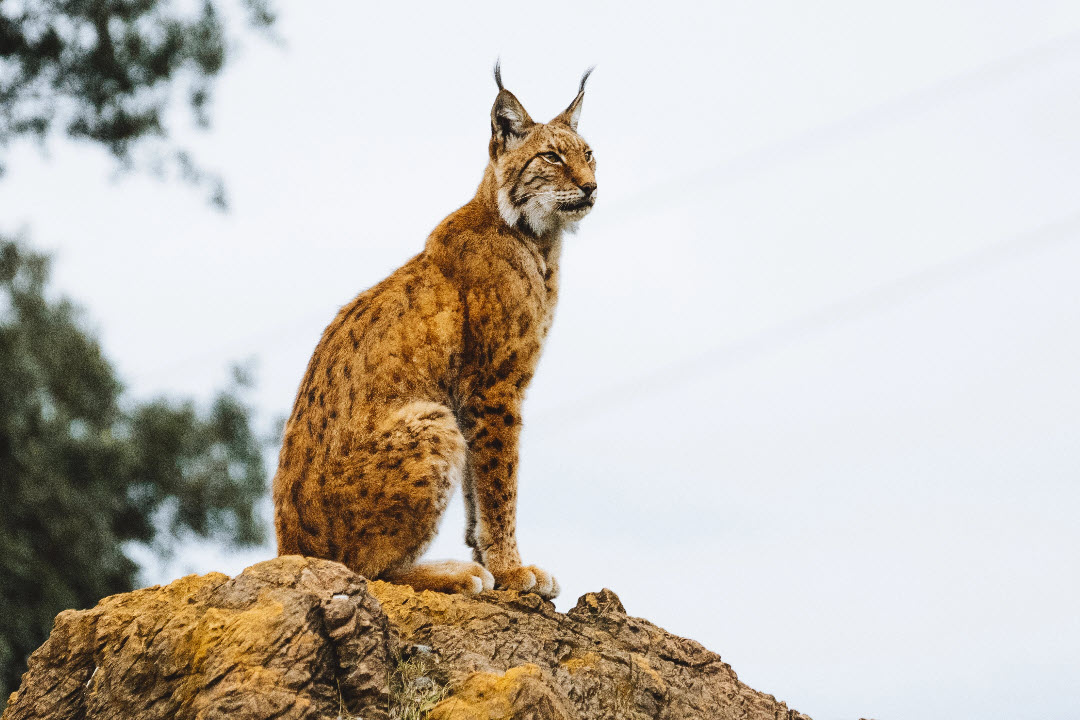 Iberian Lynx
Lynx pardinus
IUCN Status: Vulnerable
Where Found: Spain and Portugal
Main Threats: Habitat pressures and human-caused mortality. The species is recovering following long-term conservation efforts.
Golden-crowned Flying Fox
Acerodon jubatus
IUCN Status: Endangered
Where Found: Philippines
Main Threats: Forest loss and hunting.
Ganges River Dolphin
Platanista gangetica
IUCN Status: Endangered
Where Found: River systems of India, Bangladesh and Nepal
Main Threats: River modification, pollution and fishing activity.
Why Are Mammals Becoming Endangered?
There is no single reason mammals become endangered. Different species face different combinations of threats, and those threats can change over time.
Habitat Loss
Habitat loss is one of the most widespread problems facing wildlife. Forests are cleared, grasslands are converted to agriculture, wetlands are altered and roads and other development divide once-connected habitats into smaller areas.
For mammals that need large territories or specialized habitats, fragmentation can be especially damaging. Animals may have less food, fewer places to reproduce and greater difficulty moving between populations.
Hunting, Poaching and Wildlife Trade
Some mammals are deliberately hunted for meat, skins, horns, scales or other body parts. Others are captured for the wildlife trade.
Rhinos, pangolins, elephants and big cats are among the mammals affected by illegal hunting and trade. For species that reproduce slowly, the loss of even a relatively small number of adults can have serious consequences for a population.
Fishing and Bycatch
Marine and freshwater mammals face a different set of dangers. Dolphins, porpoises and whales can become entangled in fishing gear, collide with boats or be affected by changes to rivers and coastal habitats.
The Vaquita is an extreme example. This small porpoise lives only in the northern Gulf of California and has been pushed close to extinction primarily because animals become entangled and drown in gillnets.
Human-Wildlife Conflict
As human communities and wildlife increasingly share the same landscapes, conflict can occur. Elephants may enter agricultural areas, while predators may attack livestock. Animals can then be injured or killed in retaliation.
Conservation programs increasingly look for ways to protect wildlife while also helping people safely live alongside large mammals.
Disease and Small Populations
Species with very small populations face additional risks. Disease outbreaks, natural disasters or the loss of only a few breeding animals can have a much greater effect when few individuals remain.
Small, isolated populations can also lose genetic diversity, potentially making long-term recovery more difficult.
Can Endangered Mammals Recover?
Becoming endangered does not necessarily mean that extinction is inevitable. Mammal populations can recover when threats are reduced and conservation programs are maintained over long periods.
The Iberian Lynx provides an important example. Once one of the world’s most threatened wild cats, it has increased dramatically through habitat restoration, protection, captive breeding, reintroduction and efforts to rebuild populations of its primary prey, the European rabbit.
Its recovery led the IUCN to change the Iberian Lynx from Endangered to Vulnerable. It still faces conservation challenges, but its improvement shows that a species can move away from extinction when sustained conservation efforts succeed.
Mountain Gorillas have also increased in number following decades of habitat protection, veterinary care, anti-poaching work and cooperation among governments, conservation organizations and local communities.
Protecting Endangered Mammals
Protecting endangered mammals often requires more than protecting individual animals. Conservation can include preserving and reconnecting habitats, reducing poaching, controlling illegal wildlife trade, changing fishing practices, restoring prey populations and reducing conflict between wildlife and people.
Scientists also need reliable information. Wildlife surveys, camera traps, satellite tracking, genetic research and long-term population monitoring help researchers understand where animals live, how populations are changing and which conservation measures are working.
Some endangered mammals will require protection for many decades. Others may eventually recover enough to move into a lower-risk conservation category. Tracking those changes helps scientists determine where conservation is succeeding and where additional action is needed.
Endangered Mammals Quick Reference Guide
Download the WildE Planet Endangered Mammals Quick Reference Guide for a printable version of the 20 mammals, their scientific names, conservation status, range and major threats.