
Word Origin
The word “bird” comes from the Old English term brid, which originally referred to a young bird or chick rather than all birds. Over time, the meaning expanded to include all feathered, winged animals.
As the English language developed, brid gradually replaced earlier terms used for adult birds, becoming the standard word used today. Similar words appear in other Germanic languages, reflecting shared linguistic roots.
The evolution of the word reflects how people historically observed and categorized animals, often focusing first on familiar or easily recognized life stages before applying names more broadly.
Scientific Name
Aves
Class
Aves
Species
With more than 10,700 known species, birds are one of the most diverse and widespread groups of animals on Earth. Here is a breakout of the number of estimated species in some of the major bird groups:
- Perching birds (Order: Passeriformes) – 6,500 species
- Waterfowl (Order: Anseriformes) – 180 species
- Birds of prey (Orders: Accipitriformes & Falconiformes) – 500 species
- Parrots (Order: Psittaciformes) – 400 species
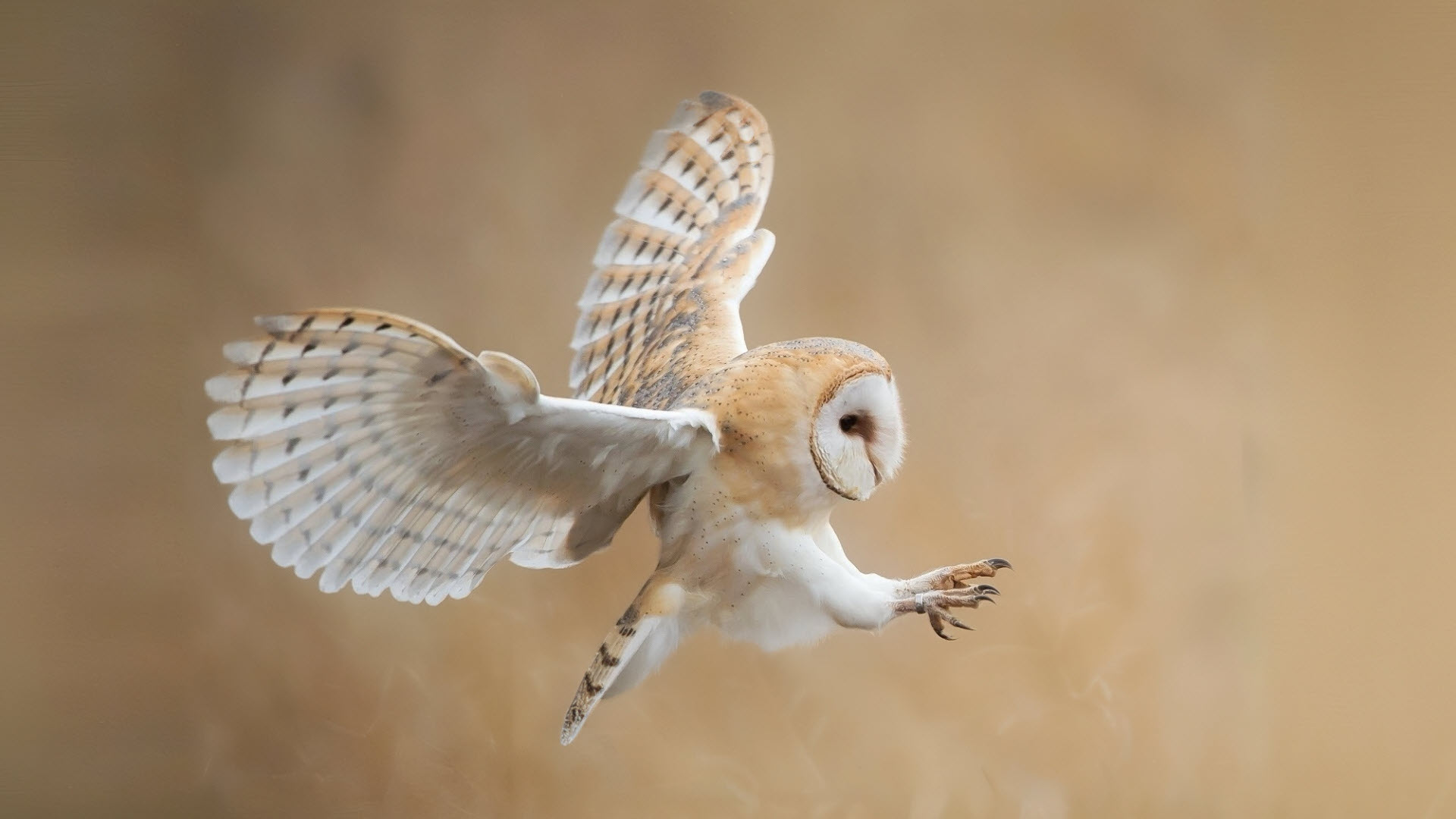
- Owls (Order: Strigiformes) – 250 species
- Seabirds (multiple orders) – 350 species
- Flightless birds (multiple orders) – 60 species
New species are still being identified, and classification continues to evolve as scientists learn more about relationships between different groups.
Conservation Status
Across the world, bird populations show a wide range of conservation statuses. While many species remain common and adaptable, others are experiencing steady declines due to changing environmental conditions. Scientists track these trends to better understand which species are most at risk.
Habitat loss is one of the most significant challenges affecting birds today. Forest clearing, wetland drainage, and urban development reduce the spaces birds need to feed, nest, and migrate. Climate change is also shifting habitats and altering migration patterns, making survival more difficult for some species.
Conservation efforts focus on protecting habitats, restoring ecosystems, and monitoring populations over time. Protected areas, wildlife laws, and community awareness all play important roles in supporting bird populations. Even small changes, such as preserving local green spaces, can help maintain healthy environments for many species.
Interesting Bird Facts
- The peregrine falcon is the fastest animal on Earth, reaching speeds over 200 miles per hour during a dive
- Many birds can see ultraviolet (UV) light, allowing them to detect patterns invisible to humans
- Some species navigate using Earth’s magnetic field during long-distance migration
- Birds have a highly efficient respiratory system with air sacs that allow continuous airflow through the lungs
- Certain birds, such as crows and parrots, demonstrate problem-solving skills and tool use
Types of Birds
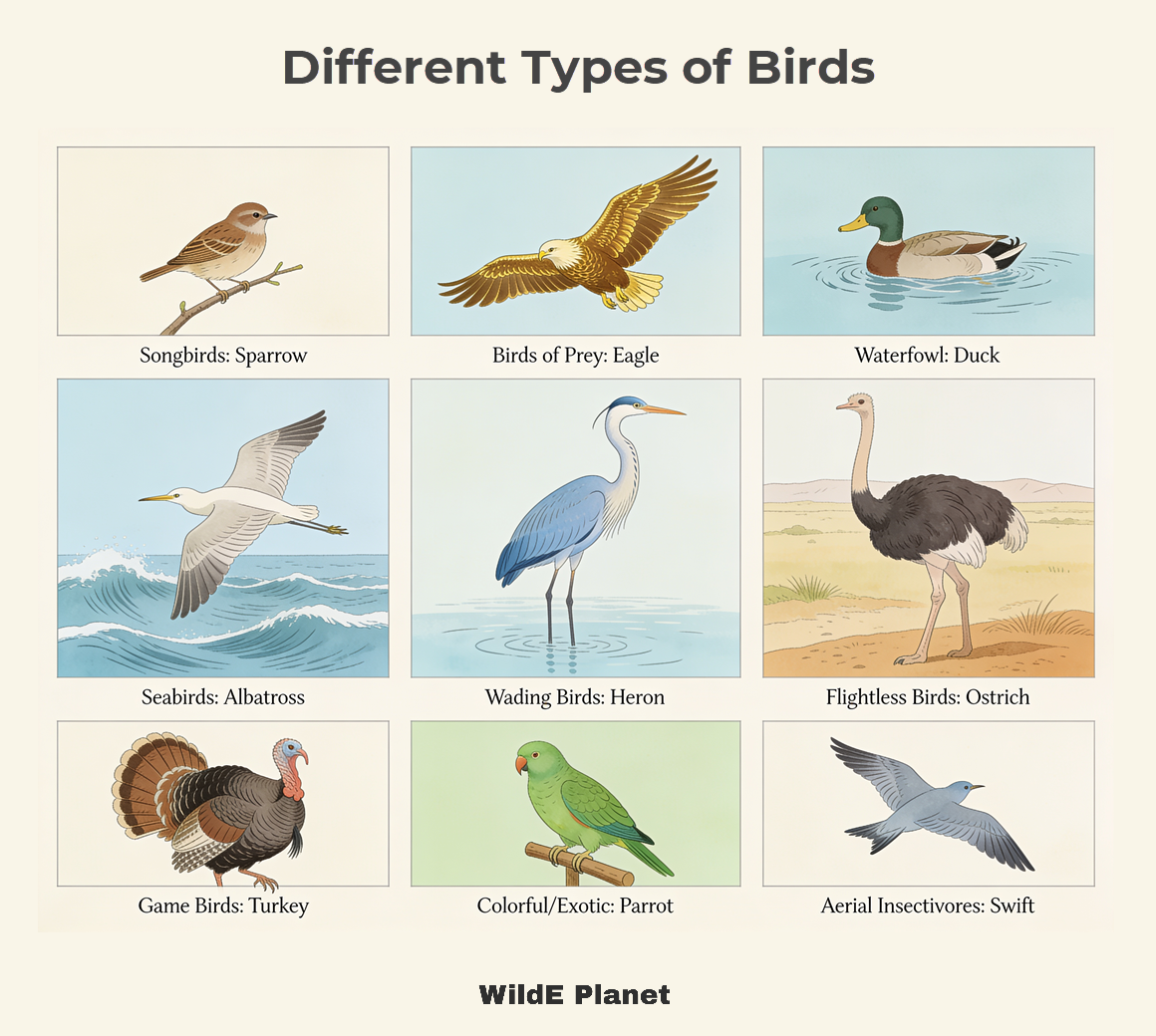
There are many different types of birds. They can be grouped based on their habitats, behaviors, and how they have adapted to their environment. The examples below represent some of the major types of birds found around the world.
- Songbirds – Small birds known for their vocalizations and songs. Example: Sparrow
- Birds of Prey – Predatory birds with sharp talons and excellent eyesight used for hunting. Example: Eagle
- Waterfowl – Birds adapted for swimming and life on lakes, rivers, and wetlands. Example: Duck
- Seabirds – Birds that spend much of their lives near oceans and coastal environments. Example: Albatross
- Wading Birds – Long-legged birds that feed in shallow water. Example: Heron
- Flightless Birds – Birds that have evolved to live without flight. Example: Ostrich
- Game Birds – Ground-dwelling birds often found in forests, grasslands, and agricultural areas. Example: Turkey
- Colorful or Exotic Birds – Birds known for their bright colors, intelligence, or tropical habitats. Example: Parrot
- Aerial Insectivores – Birds that catch insects while flying. Example: Swift
History & Evolution
Birds evolved from small theropod dinosaurs more than 150 million years ago. Fossil evidence shows a gradual transition, including the development of feathers and changes in skeletal structure.
Early birds shared features with both reptiles and modern birds. Over time, adaptations such as lighter bones and stronger flight muscles supported new forms of movement.
This evolutionary connection provides one of the clearest links between modern animals and prehistoric life.
- Evolved from theropod dinosaurs
- Fossils show feather development over time
- Adaptations supported flight and mobility
- Strong link between modern birds and dinosaurs
Bird Characteristics
Birds not only have many different characterstics, they are among the most visible and familiar animals in the world. They can be seen flying overhead, perched in trees, swimming in water, or moving through urban environments. Their presence is often noticed through movement, color, or sound.
Birds are warm-blooded vertebrates characterized by feathers, beaks, and egg-laying reproduction. While many species can fly, others are adapted for running, swimming, or diving. These differences reflect the wide range of environments birds inhabit.
Birds include more than 10,700 species and are found on every continent. They play important roles in ecosystems, from pollination and seed dispersal to controlling insect populations.
- Found on every continent, including Antarctica
- Over 10,700 known species
- Occupy a wide range of habitats
- Play key roles in ecosystems
Appearance - What Birds Look Like
Birds are built for movement and energy efficiency. Their bodies are generally lightweight, allowing for flight or other specialized movement such as swimming or running.
Feathers are one of the most important features of birds. They provide insulation, protection, and play a central role in flight and display. Beak shape varies depending on diet and feeding behavior.
Vision is often highly developed, and many species rely heavily on sight to locate food and navigate their surroundings.
- Hollow or lightweight bones
- Feathers for insulation, flight, and display
- Beaks adapted to diet
- Strong vision and coordination
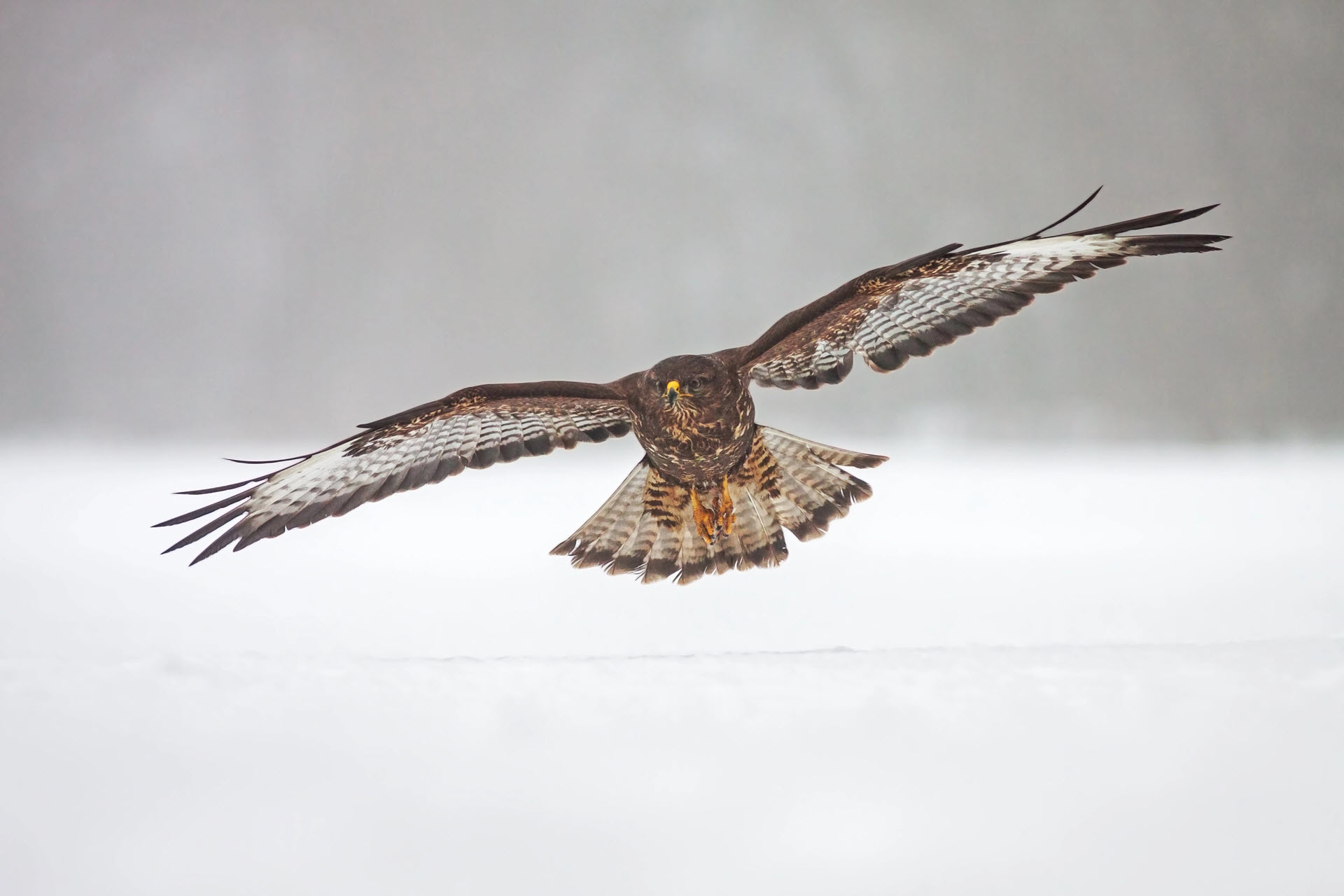
Image: A flying hawk
Habitat & Range
Birds are found in nearly every habitat on Earth, from dense forests and grasslands to deserts, wetlands, and oceans. Their ability to move over long distances allows them to occupy a wide geographic range.
Some birds live in very specific environments, while others are highly adaptable and can thrive in human-altered landscapes such as cities and farmland.
Migration expands their range even further, allowing birds to take advantage of seasonal resources.
- Forests, grasslands, deserts
- Wetlands and freshwater systems
- Coastal and marine environments
- Urban and suburban areas
Bird Behavior
Bird behavior includes communication, migration, feeding, and reproduction. Many species use vocalizations and visual displays to interact with others.
Migration is one of the most notable behaviors in birds. Some species travel thousands of miles each year between breeding and feeding grounds.
Social behavior varies widely, from solitary species to those that live in flocks or colonies.
- Migration across long distances
- Nest building and parental care
- Communication through song and calls
- Territorial behavior
What Birds Eat
Bird diets vary widely depending on species and habitat. Some birds specialize in a particular food source, while others are more adaptable.
Beak shape often reflects diet and feeding behavior, allowing birds to access different types of food.
Diet can also change seasonally depending on availability.
The Life Cycle of Birds
Most birds reproduce by laying eggs, usually in nests that provide protection and support development.
Many species provide care for their young, feeding and protecting them until they can survive independently.
Development varies by species, with some young birds requiring significant care and others becoming independent more quickly.
- Egg-laying reproduction
- Nest building for protection
- Parental care in many species
- Variation in development stages
How Birds Have Adapted
Birds have evolved specialized adaptations that support survival in different environments. These include physical, behavioral, and physiological traits.
Flight is one of the most well-known adaptations, as well as:
- Lightweight skeletons
- Strong flight muscles
- Efficient respiratory systems
- Feathers for multiple functions
Where to See Birds in the Wild
Birds can be found in nearly every environment where people live or travel, making them one of the most accessible animal groups to observe. Their visibility, movement, and vocal behavior make them easier to notice than many other types of wildlife.
Different habitats support different bird communities. Wetlands and coastal areas attract waterfowl and wading birds, while forests and grasslands are home to songbirds and raptors. Urban areas also provide habitat for adaptable species that nest on buildings and feed in parks or gardens.
Seasonal changes can affect where birds are seen. Migration periods often bring species into areas where they are not present year-round, creating opportunities to observe a greater variety of birds over time.
- Backyards and urban environments
- Forests, parks, and nature reserves
- Lakes, rivers, and wetlands
- Coastal areas and open ocean regions
The Bird's Role in Nature
Birds play an important role in maintaining balanced ecosystems. Their daily activities influence plant growth, insect populations, and the movement of nutrients through the environment.
Many birds contribute to seed dispersal by eating fruits and spreading seeds across different areas. Others help control insect populations, reducing the impact of pests on plants and crops. Some species also act as pollinators, transferring pollen between flowers as they feed.
Birds are also part of larger food webs. They serve as both predators and prey, helping regulate populations of other animals while supporting higher-level predators. Because they respond quickly to environmental change, birds are often used as indicators of ecosystem health.
- Seed dispersal across habitats
- Control of insect and pest populations
- Pollination in certain species
- Participation in food webs as predators and prey
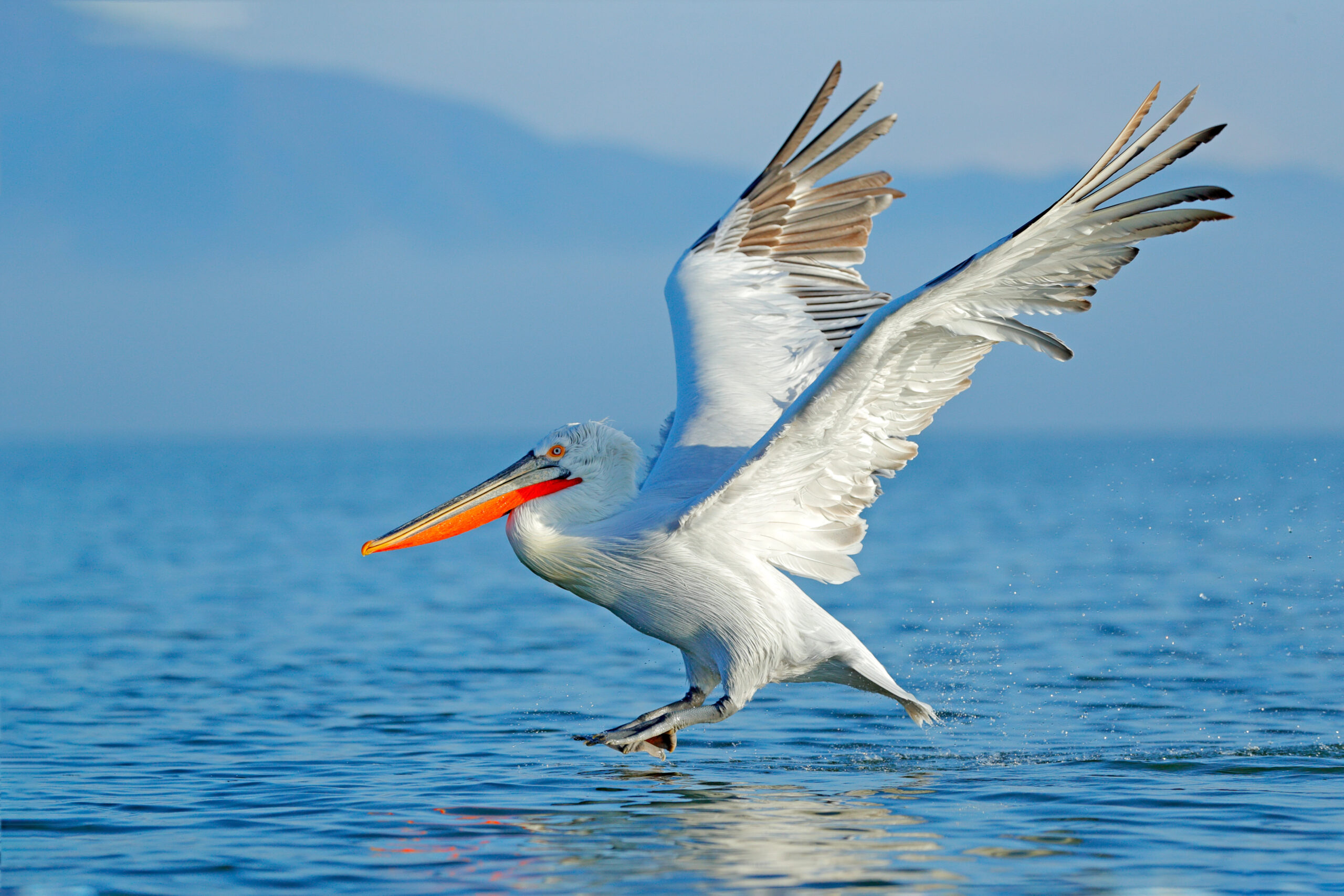
Image: Pelican over the water.
Unique Bird Traits
Birds possess several traits that distinguish them from all other animal groups. These characteristics support their ability to survive in a wide range of environments and adapt to different ecological roles.
Feathers are unique to birds and serve multiple functions, including flight, insulation, waterproofing, and display. No other living animals have developed a structure with the same range of uses. Birds also have a specialized respiratory system that supports high energy demands, especially during flight.
Another defining feature is their ability to communicate through a combination of vocalizations and visual signals. Songs, calls, and physical displays are used for mating, territory defense, and social interaction. These traits contribute to the complexity and diversity seen across bird species.
- Feathers unique among living animals
- Efficient respiratory system with air sacs
- Advanced vocal communication
- High energy metabolism supporting movement and flight
Bird Conservation
Birds face a range of conservation challenges, many of which are linked to human activity. Habitat loss is one of the most significant threats, as forests, wetlands, and grasslands are altered or removed for development and agriculture.
Climate change is also affecting bird populations by shifting habitats, altering migration timing, and disrupting food availability. In addition, pollution, collisions with buildings and vehicles, and invasive species can impact survival rates, particularly for species with limited ranges.
Efforts to protect birds focus on preserving habitats, reducing environmental impact, and monitoring populations over time. Conservation programs often involve a combination of scientific research, policy protection, and community awareness.
- Habitat loss from development and land use changes
- Climate change affecting migration and breeding
- Pollution and environmental contamination
- Collisions with buildings, vehicles, and infrastructure
- Invasive species competing with native birds
Sources
-
U.S. Fish & Wildlife Service (USFWS) – Species Profiles and Conservation
- National Geographic
- Encyclopdia Britannica