
Sharks for Kids
Explore the World of Sharks
READING LEVEL: Grades 4-5 & Above
A shark is a type of fish that lives in the ocean. Sharks have a skeleton made of strong, flexible cartilage instead of bone. They breathe underwater through gills.
Word Origin
The word “shark” has been used in English for hundreds of years, but no one knows for sure where it came from. It could come from an old German word meaning “scoundrel” or “villain,” but the true origin of the name is still unknown.
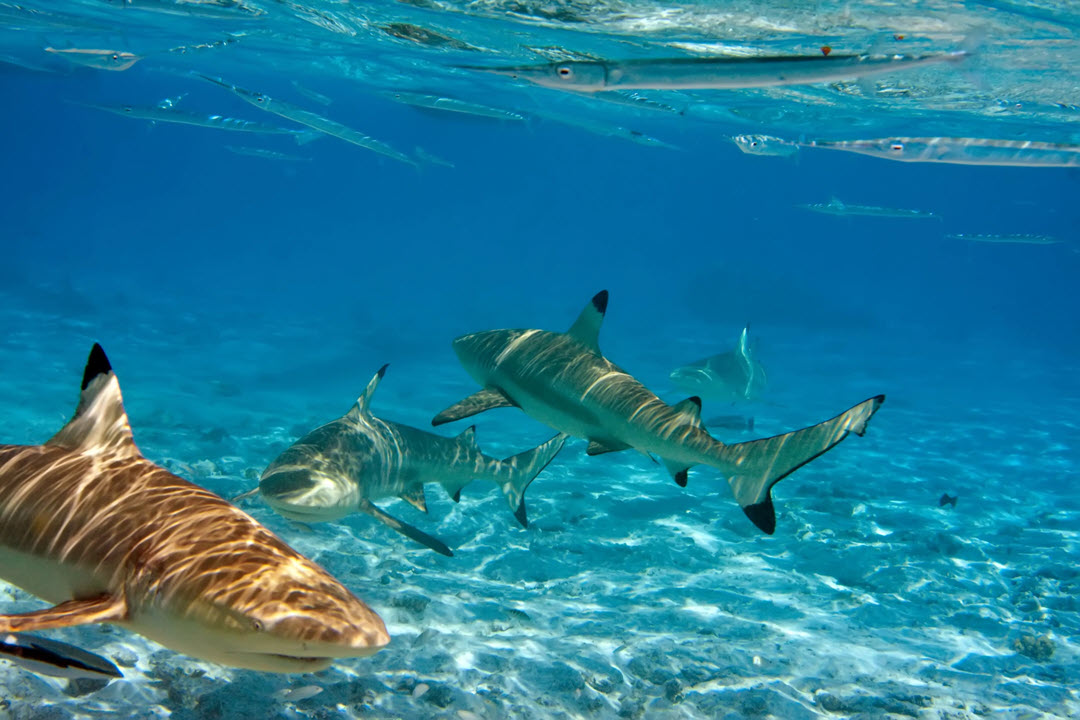
Blacktip Reef Sharks
What is a Shark?
A shark is a type of fish. It lives in water, breathes through gills, has fins, and has a backbone.
There are more than 500 different kinds of sharks. They come in an amazing variety of shapes and sizes. Some are small enough to fit in your hand.
The enormous Whale Shark can grow longer than a school bus.
Some sharks are fast swimmers that travel through the open ocean, while others spend much of their time close to the seafloor.
What Makes a Shark a Fish?
- Sharks breathe through gills.
Water passes over a shark’s gills. The gills take oxygen from the water. Sharks do not have to come to the surface to breathe air the way whales and dolphins do. - Sharks have fins.
A shark’s fins help it move and control its body in the water. Different fins help with swimming, steering, turning, and balance. - Sharks have a backbone.
Sharks are vertebrates, which means they have a backbone. Their backbone is made of cartilage instead of bone. - The body temperature of most sharks is like the water around them. When the water gets warmer or colder, their bodies do too. A few sharks, including some mako and white sharks, can keep parts of their bodies warmer than the water.
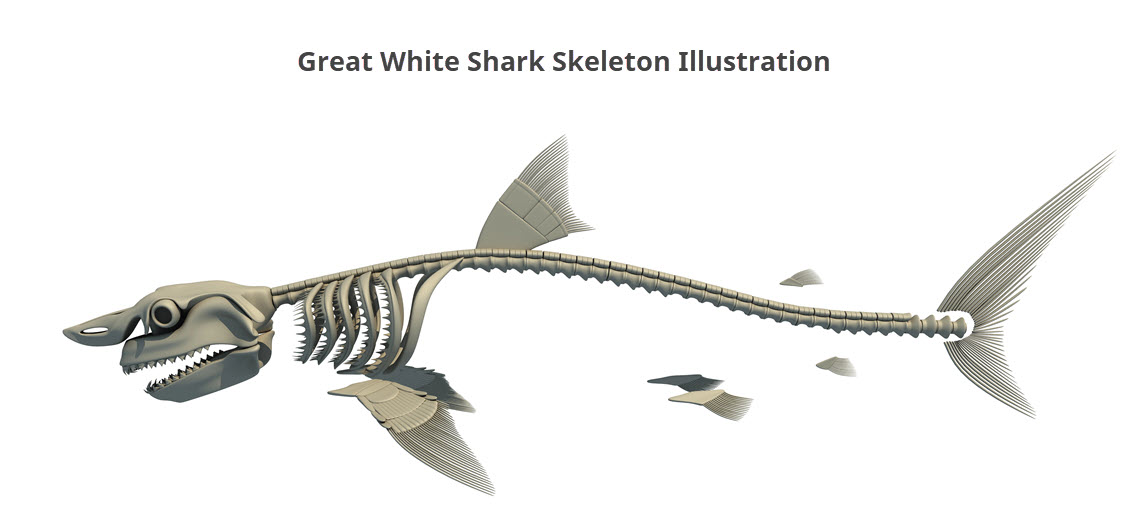
How Are Sharks Different Than Most Fish?
- Sharks have dermal denticles.
A shark’s skin is covered with tiny, tooth-like scales called dermal denticles. They make the skin feel rough and help water flow smoothly over the shark’s body. - Sharks continually replace their teeth.
Many sharks grow new teeth throughout their lives. When a tooth is lost, another can move forward to replace it. Different sharks have different kinds of teeth depending on what they eat. - Sharks do not have swim bladders.
Many bony fish have a gas-filled organ called a swim bladder. It helps them control their position in the water. Sharks do not have one. Instead, their large, oily liver helps them stay buoyant. Their fins also help control their movement.
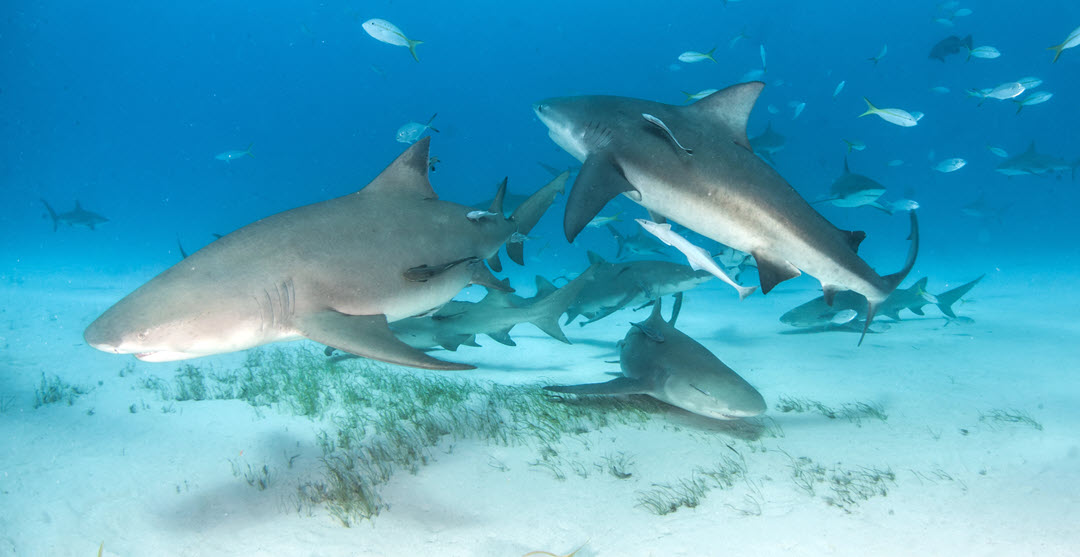
Caribbean Reef Sharks
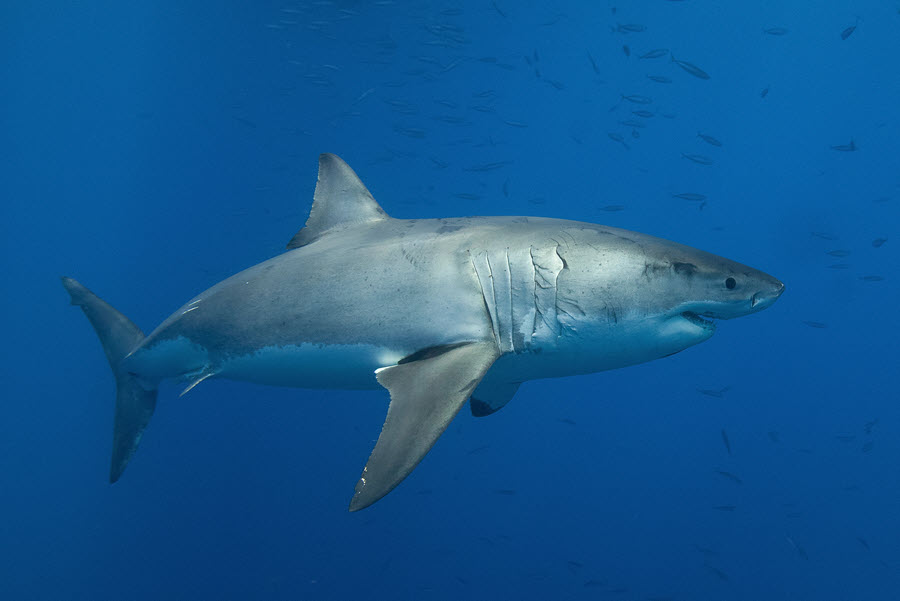
Great White Shark
Shark Pages Menu
Words to Know
Adaptation — a body feature or behavior that helps an animal survive
Ampullae of Lorenzini — special organs that help sharks sense tiny electrical signals made by other animals
Behavior — the things an animal does and the way it acts
Bioluminescence — light made by a living thing
Bycatch — animals caught accidentally while people are fishing for something else
Camouflage — colors, patterns, shapes, or behaviors that make an animal harder to see
Cartilage — the strong, flexible material that makes up a shark’s skeleton instead of bone
Caudal Fin — a shark’s tail fin, which helps push the shark through the water
Conservation — protecting wildlife and the places where it lives
Dermal Denticles — tiny, tooth-like scales that cover a shark’s skin
Dorsal Fin — a fin on a shark’s back that helps keep it stable in the water
Ecosystem — living things and the environment around them
Electroreception — the ability to sense tiny electrical signals
Endangered — at very high risk of disappearing from the wild
Estuary — a coastal area where freshwater from rivers mixes with saltwater from the ocean
Evolution — the way groups of living things change over many generations
Extinction — when a species no longer exists anywhere on Earth
Fossil — preserved evidence of a living thing from long ago
Gills — body parts that take oxygen from water so a shark can breathe
Habitat — the place where an animal lives and finds what it needs
Lateral Line — a sensory system that helps sharks detect movement and vibrations in the water
Migration — regular movement from one area to another
Nutrients — substances that living things need to grow and survive
Pectoral Fins — the large fins on the sides of a shark that help with lift and control
Plankton — tiny living things that drift in the water
Predator — an animal that hunts and eats other animals
Prey — an animal that is hunted and eaten by another animal
Scoundrel — A person who behaves badly or dishonestly and cannot be trusted.
Seafloor — the bottom of the ocean
Species — a group of similar living things that can reproduce with one another
Vertebrate — an animal with a backbone
Villain — A bad or harmful character in a story, often someone who causes trouble for others or works against the hero.
What Do Sharks Look Like?
Sharks come in many different shapes and sizes. They do not all look the same. Different sharks have adapted to different habitats and ways of finding food.
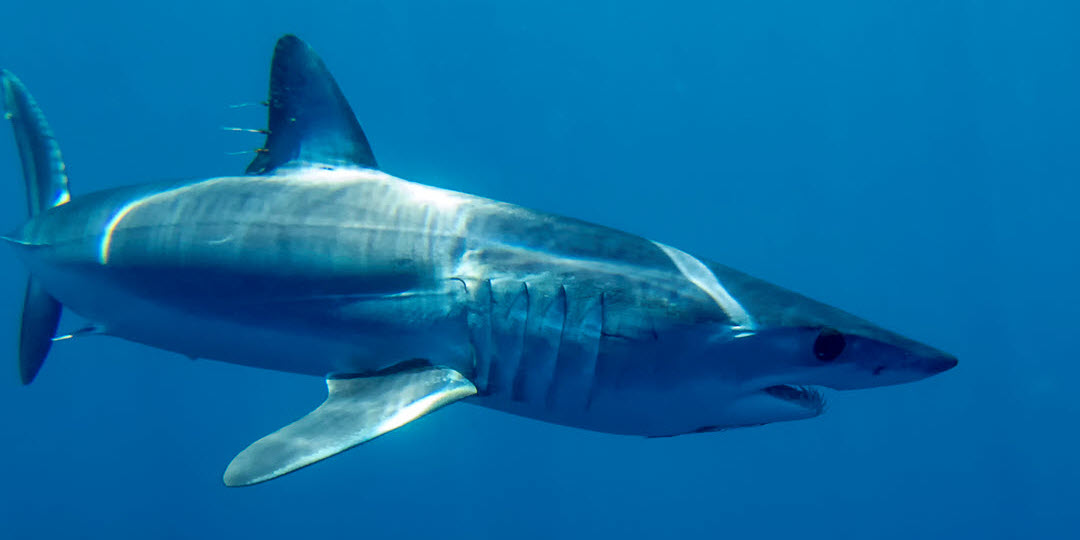
A typical fast-swimming shark has a smooth, streamlined body. It has a pointed or rounded snout, fins, and a strong tail. This body shape helps the shark move easily through the water.
But not every shark looks like this. Angel sharks have flat bodies that help them rest on the seafloor. Hammerhead sharks have wide heads shaped like hammers. Sawsharks have long snouts lined with tooth-like structures. Wobbegongs have flat bodies, patterns, and skin flaps that help them hide on the seafloor.
Why Do Sharks Have Fins?
Sharks use different fins for different jobs. The tail fin, or caudal fin, provides much of the power for swimming. Pectoral fins on the sides help with lift and control. Dorsal fins on the back help keep the shark from rolling.
Fins can also tell us something about how a shark lives. Fast-swimming sharks may have long or stiff fins that help them travel. Sharks that live near the bottom may have broad fins. These fins can help them move and rest near the seafloor.
Why Do Sharks Have So Many Different Teeth?
A shark’s teeth match the way it eats. Sharks that catch fish may have narrow, pointed teeth for holding slippery prey. Sharks that bite larger animals may have broad, sharp-edged teeth for cutting. Sharks that eat hard-shelled animals may have flatter teeth for crushing.
Whale Sharks and Basking Sharks are different. They are filter feeders that collect tiny organisms from the water. They do not need large cutting teeth to eat.
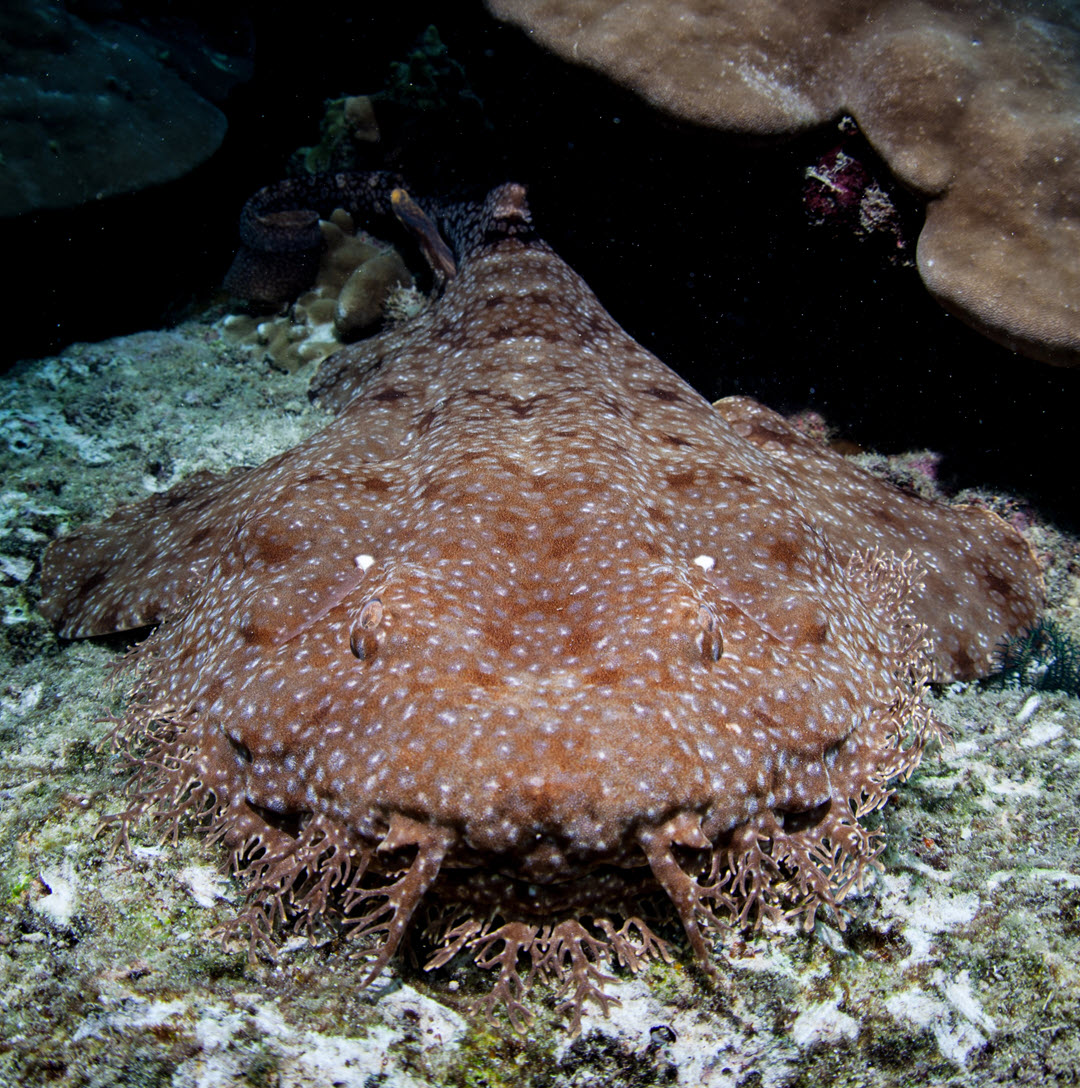
Wobbegong Shark
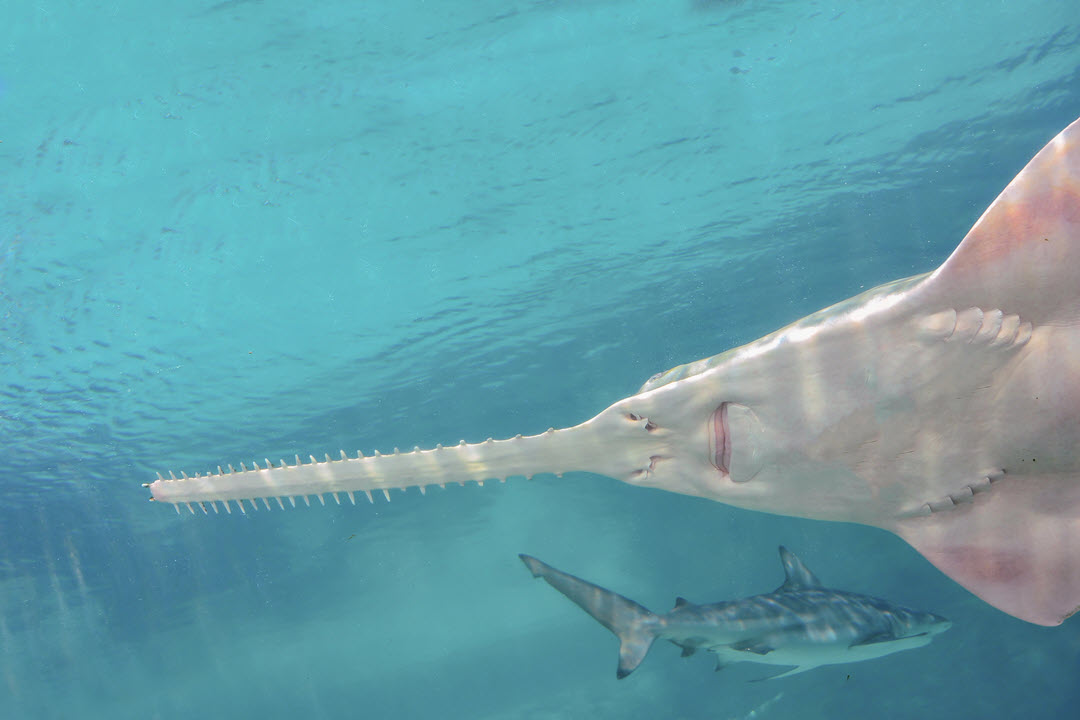
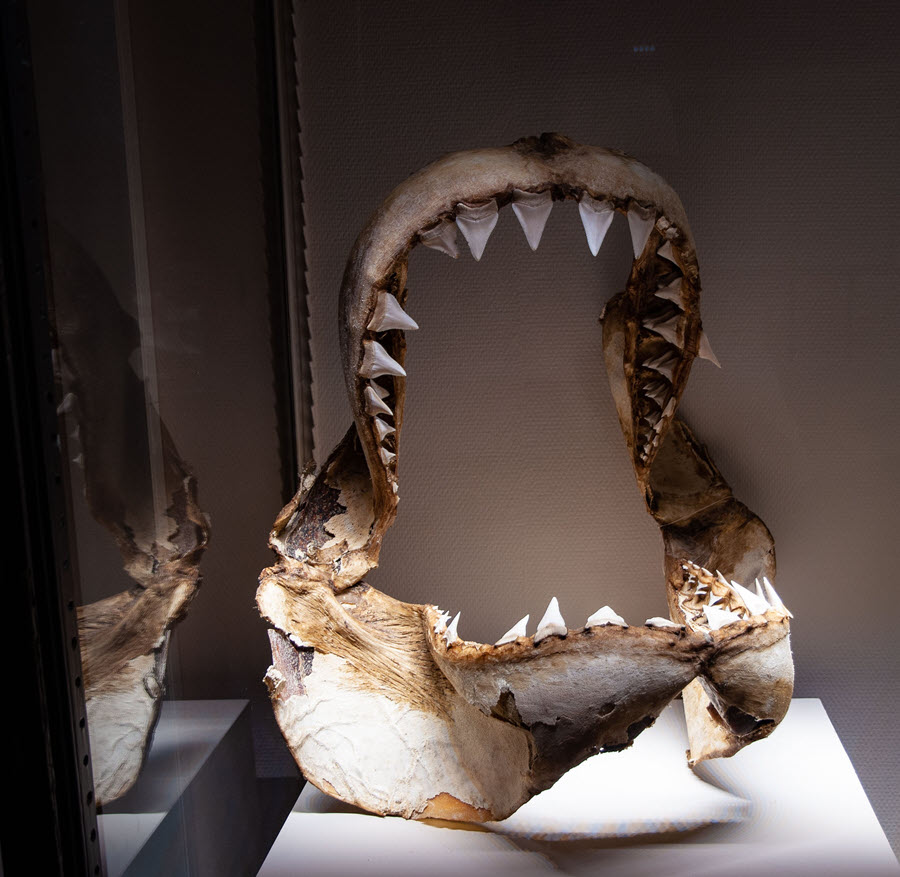
Cette photo a été prise par André ALLIOT., CC0, via Wikimedia Commons

Types of Sharks
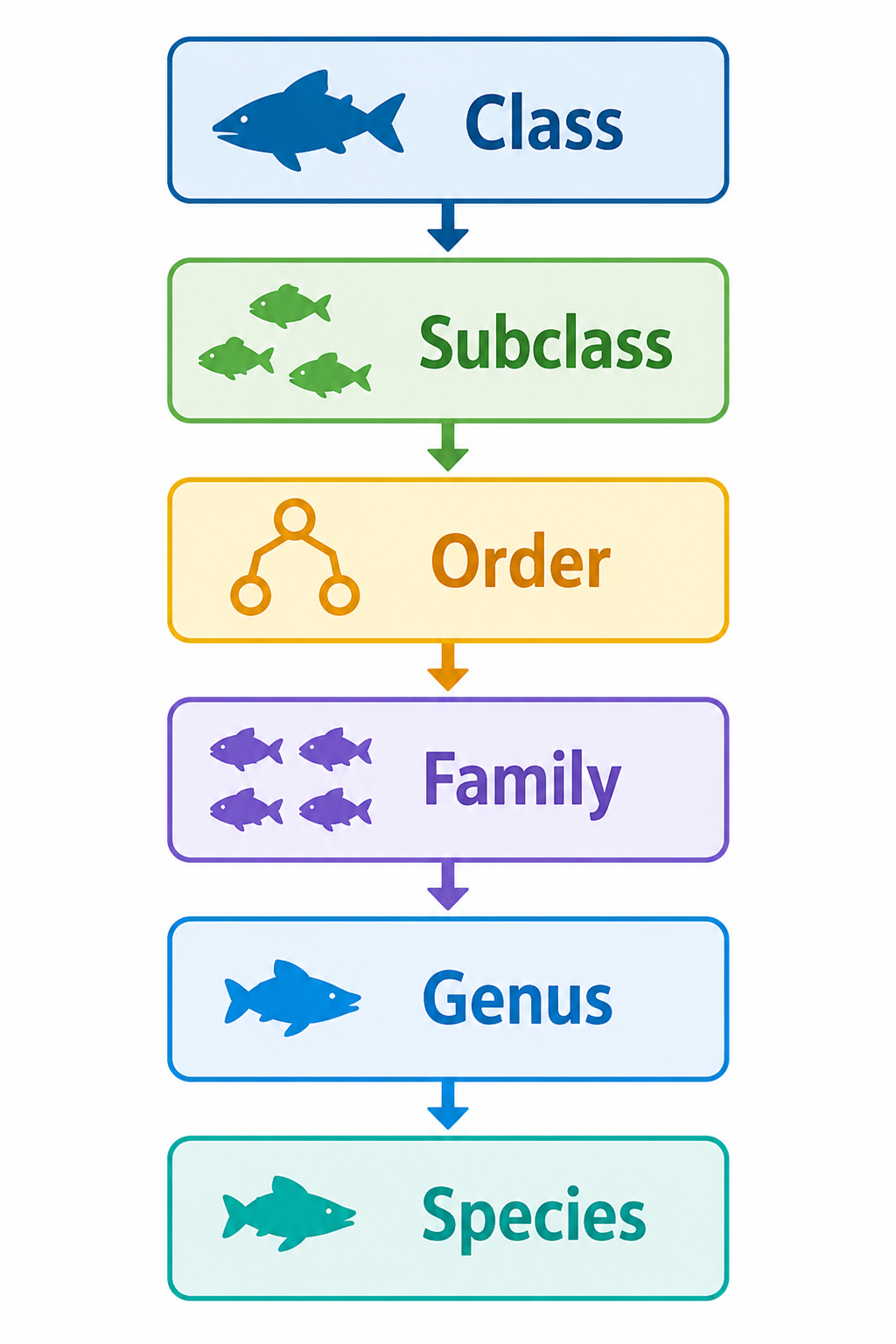
Scientists use classification to organize living things into groups. Sharks belong to a scientific group called a class, which is divided into smaller groups called orders. Living sharks are divided into 9 orders. In the classification system, order comes after class and before family.
| Shark Group | Description | Examples |
|---|---|---|
| Ground Sharks | Ground sharks are the largest and most varied group of sharks. They live in many habitats, from coastal waters to the open ocean and deep sea. | Tiger Shark, Bull Shark, Lemon Shark, Blue Shark, Hammerhead Shark |
| Mackerel Sharks | Many mackerel sharks have strong, streamlined bodies built for swimming. This group includes some of the fastest and largest sharks. | Great White Shark, Shortfin Mako, Longfin Mako, Basking Shark, Porbeagle |
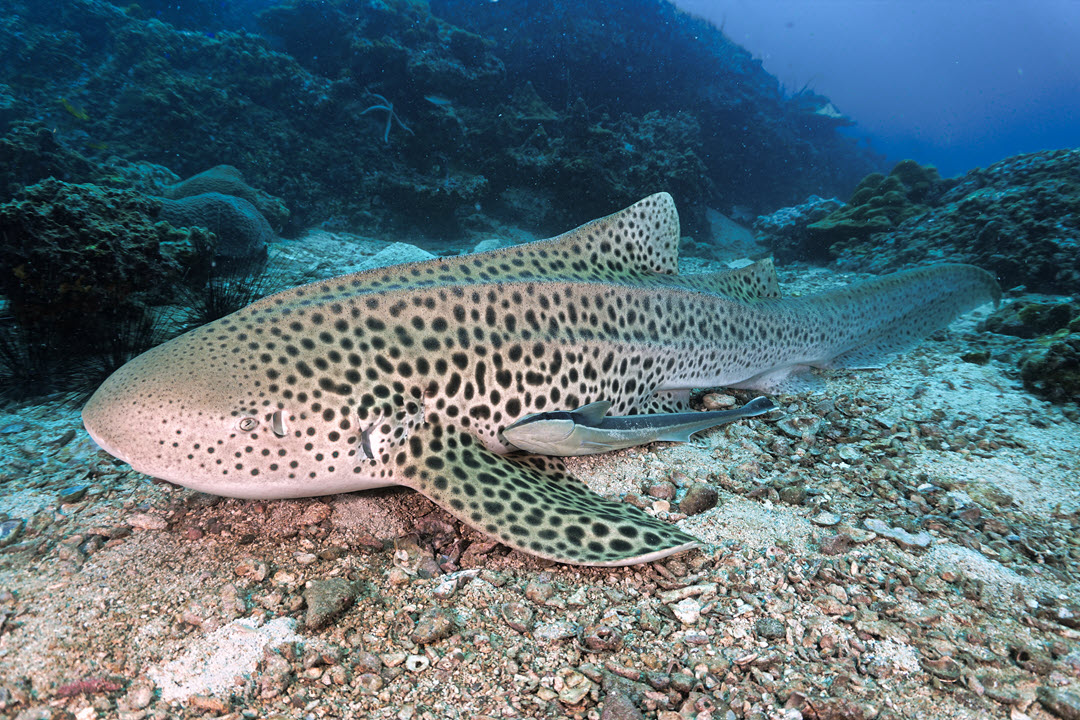
| Carpet Sharks | Many carpet sharks live near the seafloor in warm waters. Some have flat bodies or patterns that help them blend into their surroundings. | Whale Shark, Nurse Shark, Zebra Shark, Wobbegong, Bamboo Shark |
| Dogfish Sharks | Many dogfish sharks live in cold or deep water. Some have sharp spines, and others have special adaptations for living in the dark ocean. | Spiny Dogfish, Greenland Shark, Cookiecutter Shark, Lanternshark, Gulper Shark |
| Bullhead Sharks | Bullhead sharks have broad heads and raised ridges above their eyes. Their strong teeth can crush hard-shelled animals such as crabs and sea urchins. | Horn Shark, Port Jackson Shark, Zebra Bullhead Shark, Japanese Bullhead Shark, Mexican Hornshark |
| Cow & Frilled Sharks | These unusual sharks have six or seven pairs of gill openings. Most other sharks have five pairs. | Bluntnose Sixgill Shark, Bigeye Sixgill Shark, Broadnose Sevengill Shark, Sharpnose Sevengill Shark, Frilled Shark |
| Angel Sharks | Angel sharks have wide, flat bodies that look a little like rays. They often rest or hide on the seafloor. | Angelshark, Pacific Angel Shark, Australian Angelshark, Japanese Angelshark, Argentine Angelshark |
| Sawsharks | Sawsharks have long snouts with tooth-like structures along the sides. They use their unusual snouts to help find and catch prey. | Common Sawshark, Longnose Sawshark, Shortnose Sawshark, Sixgill Sawshark, Tropical Sawshark |
| Bramble Sharks | Bramble sharks are a small group of deep-water sharks. They have thick bodies and rough skin covered with large, thorn-like denticles. | Bramble Shark, Prickly Shark |
How Sharks Are Classified
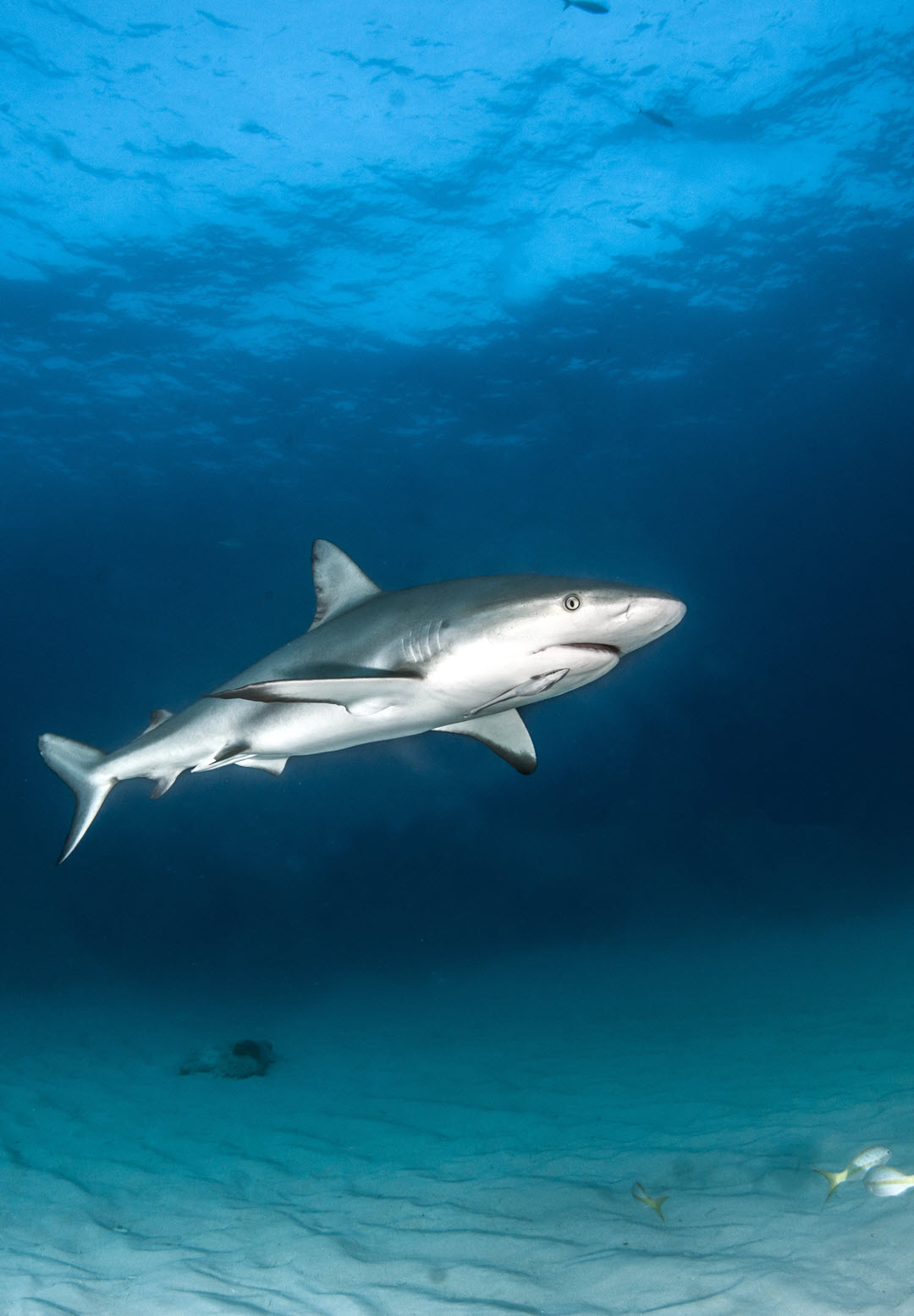
Caribbean Reef Shark
Ground Shark
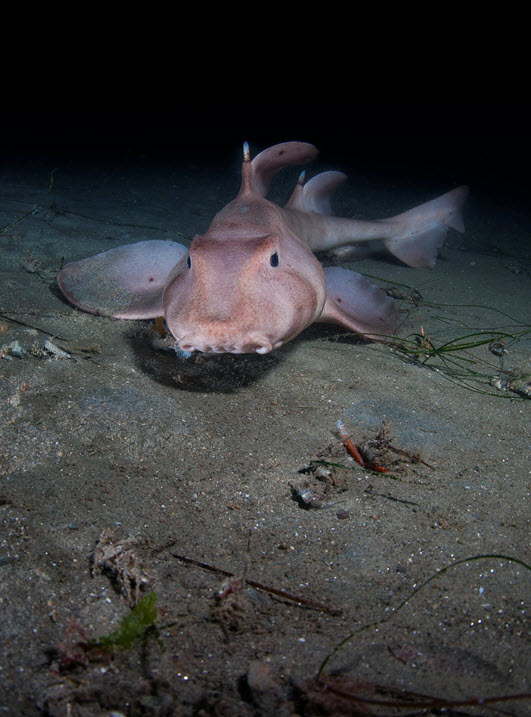
Horn Shark
Bullhead Shark
History of Sharks
Shark-like fishes appeared hundreds of millions of years ago, long before the first dinosaurs walked on land.
The earliest sharks did not look exactly like the sharks swimming in the ocean today. Over millions of years, different shark groups appeared, changed, and disappeared. Some ancient sharks had body shapes, teeth, or spines that would look very unusual to us now.
Studying shark fossils can be difficult because a shark’s skeleton is made mostly of cartilage. Cartilage usually breaks down after an animal dies instead of becoming a fossil. Shark teeth are much harder, so they are among the most common shark fossils scientists find.
Teeth can reveal a lot. Their shape can help scientists identify different kinds of ancient sharks and sometimes give clues about what those sharks ate.
Sharks also survived several major extinction events that changed life on Earth. The sharks living today are the result of this very long history of change and survival.
Shark Timeline
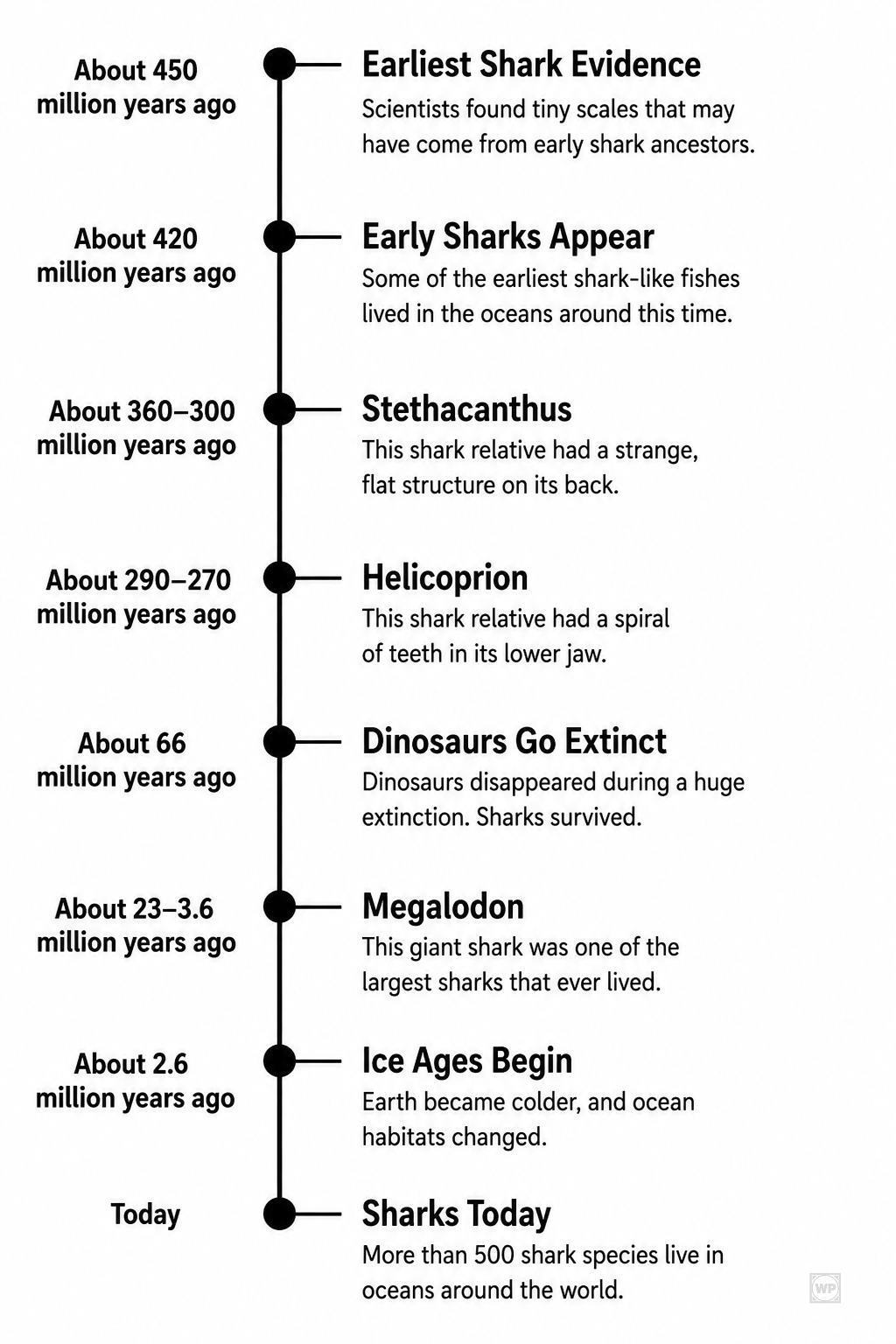
Helicoprion
Permian Period — about 290–270 million years ago
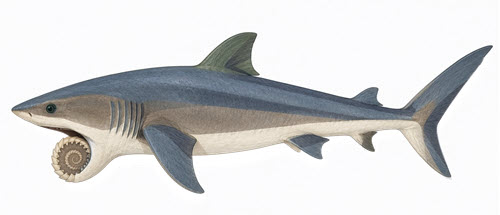
Helicoprion was a strange shark relative with a spiral of teeth in its lower jaw that looked like a circular saw. As new teeth grew, the older teeth remained in the spiral. Although it looked shark-like, Helicoprion was more closely related to chimaeras than to true sharks.
Stethacanthus
Late Devonian to Carboniferous — about 360–300 million years ago
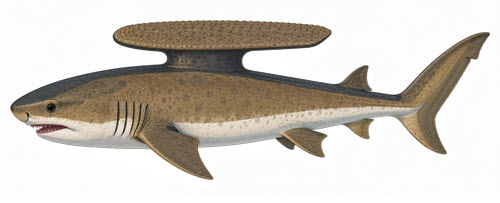
Stethacanthus was a small prehistoric shark relative with a very unusual body. Males had a strange, flat-topped structure on their backs. It is sometimes compared to an ironing board because of its shape. Scientists are not sure exactly what this structure was used for.
Megalodon
Miocene to Pliocene — about 20–3.6 million years ago
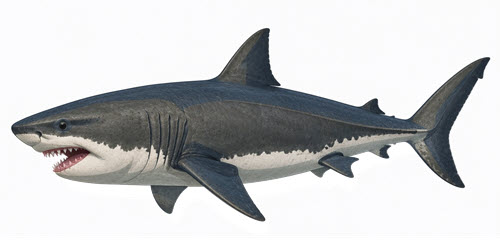
Megalodon was one of the largest sharks that ever lived. It had huge, triangular teeth with sharp edges for cutting. Megalodon hunted whales and other large marine animals. Scientists have found its fossil teeth in many parts of the world. These fossils help scientists learn about this enormous prehistoric shark.
Where Do Sharks Live?
Sharks live in waters around the world. Some are coastal sharks that live near land, while others are ocean sharks that live farther out at sea. A few sharks can even live in freshwater rivers.
Sharks also live in many different habitats. A habitat is the place where an animal lives and finds what it needs to survive.
Coastal Waters
Coastal waters include areas near beaches, bays, islands, and shorelines. These waters often have plenty of food. Some young sharks also use sheltered coastal areas as safe places to grow.
Coral Reefs
Coral reefs are busy habitats filled with fish and other animals. Sharks may hunt around the reef, rest in sheltered areas, or swim along its edges.
Mangroves and Seagrass Meadows
Mangroves and seagrass meadows grow in shallow coastal waters. They provide food and shelter for many animals. Some young sharks use these protected habitats while they grow.
Open Ocean
The open ocean stretches far beyond the coast. Sharks that live here may travel enormous distances searching for food, mates, or suitable water conditions.
Deep Sea
The deep sea is cold, dark, and under great pressure. Sharks that live here have special adaptations that help them survive in this difficult environment.
Water Depth
The ocean has many different depths. Scientists use the term water column to describe the water from the surface all the way down to the ocean floor.
Sharks can be found at different places in the water column. Some sharks spend much of their time near the surface, while others swim in deeper water or stay close to the ocean floor. Some sharks also move between different depths during the day or while searching for food.
As the water gets deeper, it becomes darker, colder, and the pressure increases. Sharks that live in deep water have special adaptations that help them survive there.
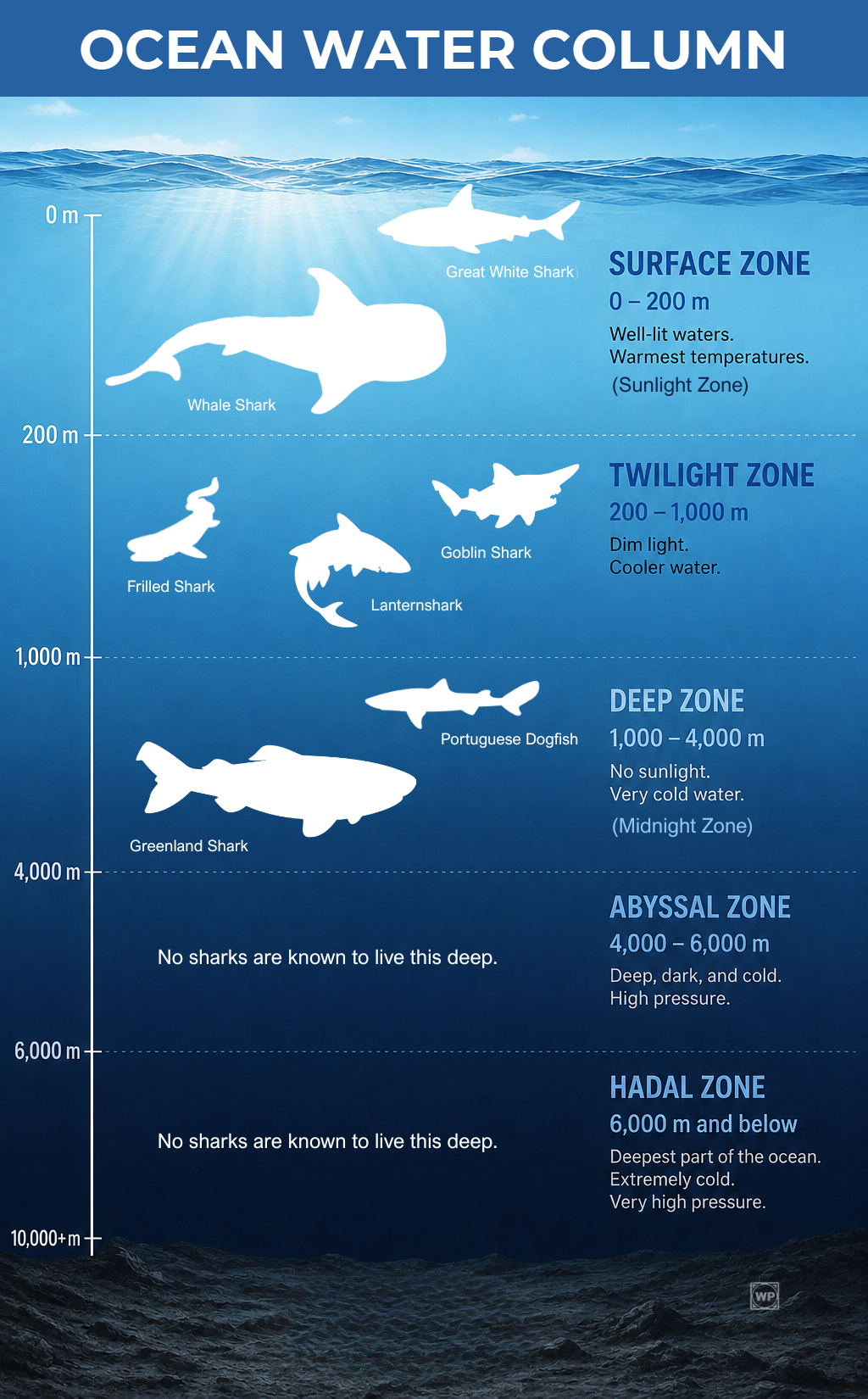
Coastal waters and rivers have different water depths and water columns than the open ocean.
Shark Behavior
Sharks do much more than swim around looking for food. They rest, travel, avoid danger, find mates, and respond to what is happening around them.
Different sharks behave in different ways. Some stay in the same general area, while others travel hundreds or even thousands of miles. Some sharks migrate during certain seasons to find food, reach suitable waters, or return to places where they mate or give birth.
Sharks are also active at different times. Nurse Sharks often rest during the day and become more active at night. Other sharks are active during the day, and some move between shallow and deeper water at different times.
Some sharks usually live alone, while others gather in groups. Scalloped Hammerheads can form large schools. Sharks may also gather where food is plentiful or at resting, mating, or nursery areas.
Sharks use their senses to understand what is happening around them. They can see, hear, smell, detect movement in the water, and sense tiny electrical signals made by other animals. These senses help them find food, avoid danger, and move through their environment.
What Do Sharks Eat?
Sharks eat many different kinds of food. What a shark eats depends on its species, size, habitat, and the food available where it lives.
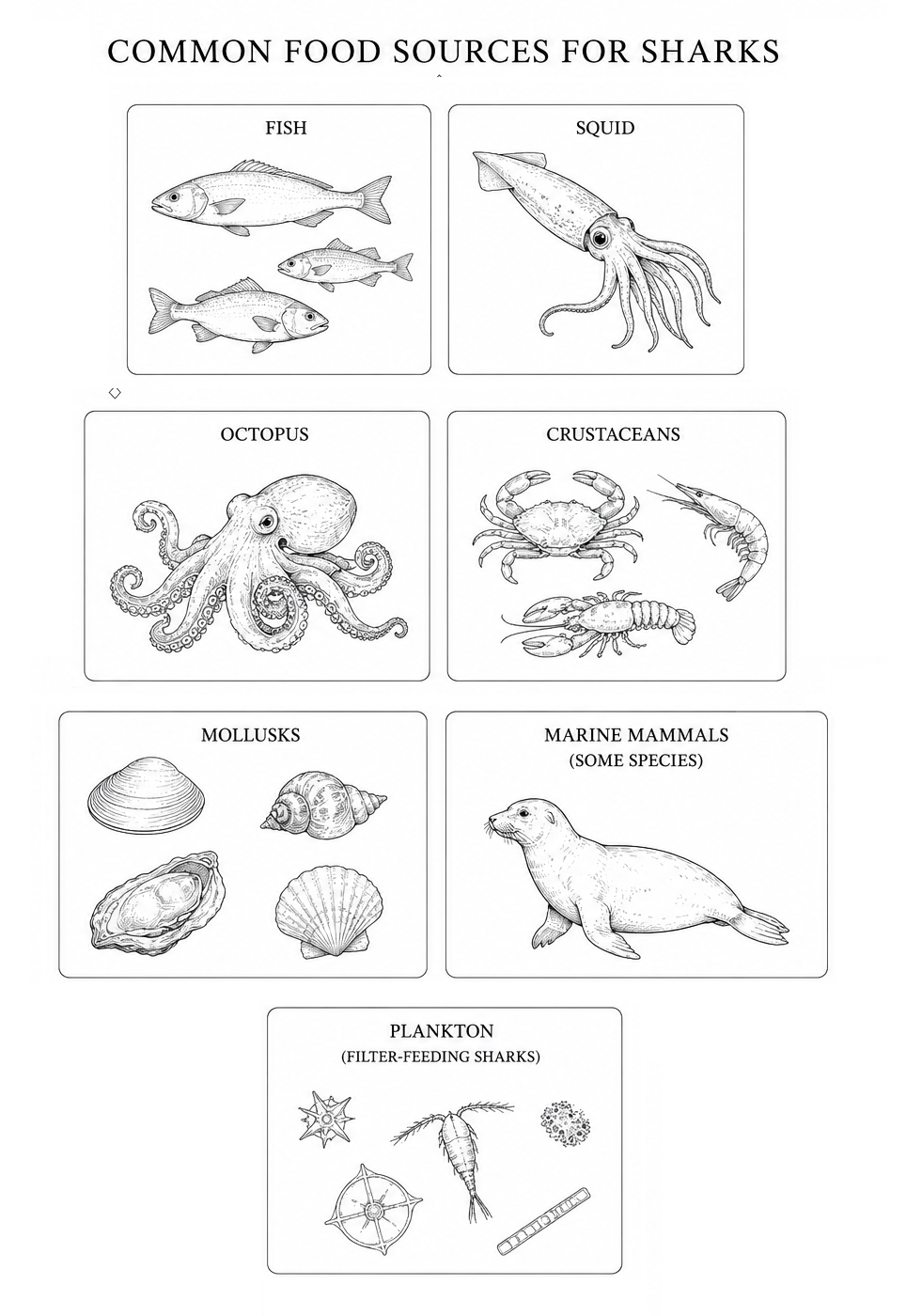
Many sharks eat fish, squid, crabs, shrimp, and other ocean animals. Larger sharks may also eat rays, sea turtles, seabirds, seals, and other marine mammals. Some sharks have very specialized diets. Whale Sharks and Basking Sharks feed mainly on tiny animals called plankton, which they filter from the water.
A shark’s teeth often give clues about what it eats. Sharks that catch fish may have narrow, pointed teeth for gripping slippery prey. Sharks that eat hard-shelled animals may have flatter teeth for crushing shells. Great White Sharks have broad, sharp-edged teeth that help them bite into larger prey.
Shark Reproduction and Life Cycle
Sharks reproduce in several different ways. Unlike most fishes, shark eggs are fertilized inside the mother’s body.
Some sharks lay eggs. The young shark develops inside a tough egg case until it is ready to hatch. In many other species, the young develop inside the mother and are born alive.
Sharks usually produce far fewer young than many other fishes. Depending on the species, a shark may have only a few pups at a time, while others can have much larger litters. Some young sharks spend their early lives in nursery areas, where shallow or sheltered water provides food and some protection.
Young sharks must survive on their own after they are born or hatch. As they grow, they learn to find food and move through their habitat. Many sharks grow slowly and take several years to become adults. Some species live for many decades, and a few can live for more than a century.
How Do Sharks Find Food?
Sharks have many different ways of finding and catching food. There is no single way that all sharks hunt.
Some sharks chase fast-moving fish through open water. Others slowly search along the seafloor. Angel Sharks hide beneath the sand and wait for prey to come close before quickly striking. Hammerhead Sharks sweep their wide heads over the seafloor, using their senses to help find hidden prey.
Sharks have several powerful senses that help them find food. They can detect smells and sounds, see in different light conditions, and feel vibrations and movement in the water. Sharks can also detect the weak electrical signals produced by other animals. This ability can help them find prey even when it is hidden beneath the sand.
Not every shark hunts for its food. Filter-feeding sharks, such as Whale Sharks and Basking Sharks, swim through areas rich in plankton and filter tiny animals from the water.
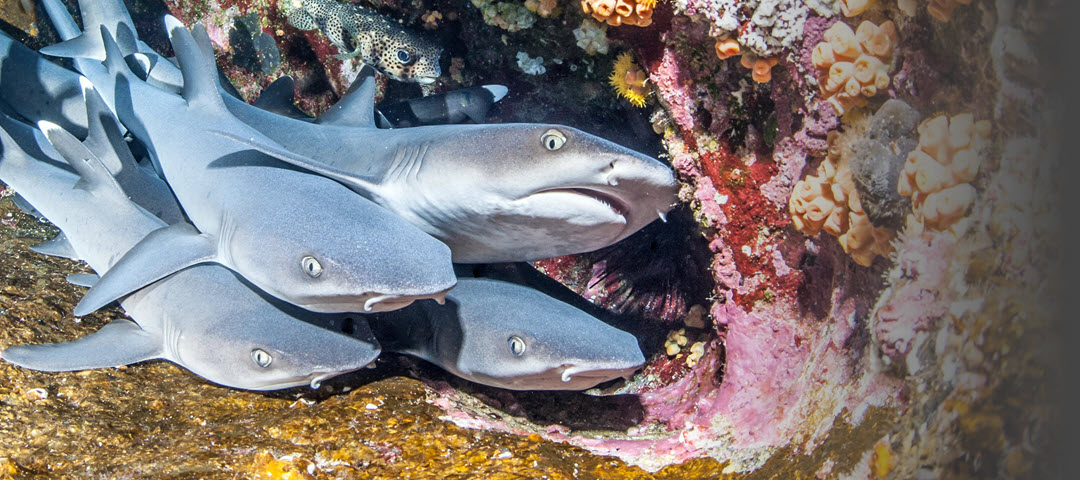
Whitetip baby sharks
Amazing Shark Abilities
Sharks have some abilities that may seem almost like superpowers. These abilities are adaptations that developed over many generations and help different sharks survive in their environments.
They Can Sense Electricity
Every living animal produces tiny electrical signals when its muscles and nerves work. Sharks can detect these signals using special sense organs. This can help a shark find prey even when it is hidden beneath the sand.
Some Sharks Glow
Several deep-sea sharks can produce their own light. This ability is called bioluminescence. Depending on the species, glowing can provide camouflage, help sharks recognize one another, or serve other purposes.
Some Sharks Can Warm Parts of Their Bodies
Most sharks have body temperatures close to the temperature of the surrounding water. But some sharks, including mako sharks and white sharks, can keep parts of their bodies warmer. This helps important muscles and organs work well in cooler water.
Some Sharks Use Camouflage
Sharks use camouflage in different ways. Wobbegongs have patterns and skin flaps that help them blend into reefs and the seafloor. Angel Sharks can partly bury themselves in sand. Many open-ocean sharks have dark backs and pale bellies that make them harder to see from above or below.
Sharks Can Replace Lost Teeth
Sharks continually grow new teeth throughout their lives. New teeth develop behind older teeth and move forward to replace teeth that are lost.
Sharks Have Very Different Body Designs
A Hammerhead Shark, Whale Shark, Sawshark, Angel Shark, and Lanternshark may look very different, yet all of them are sharks. Their unusual features are adaptations to the different ways they live.
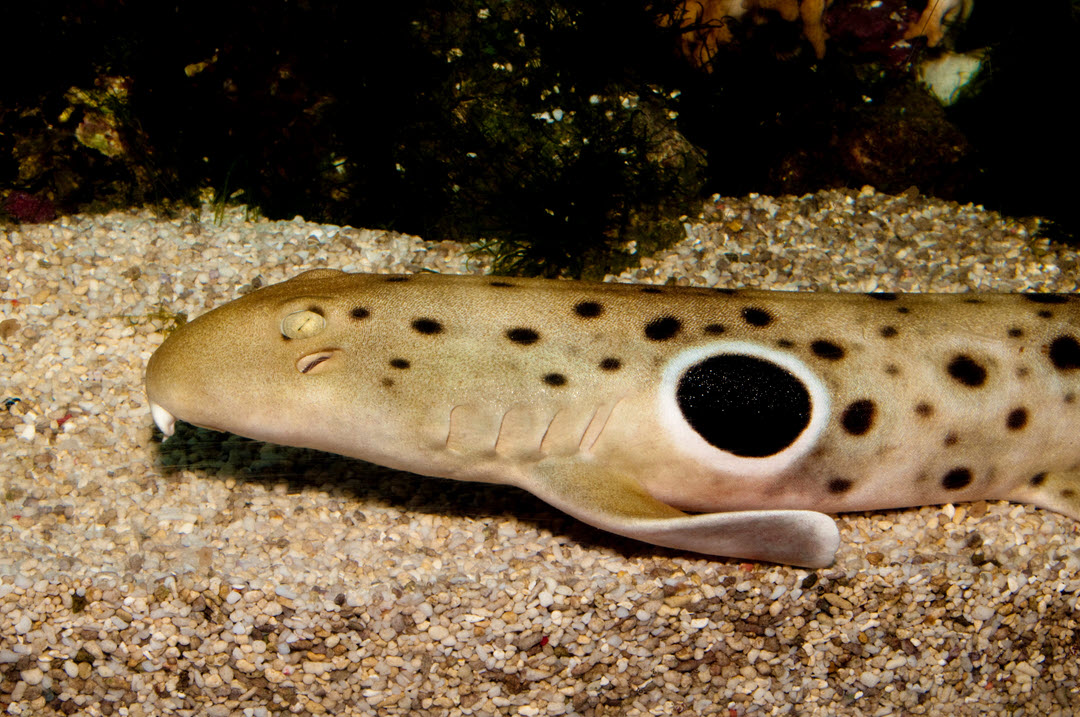
The Incredible Swell Shark
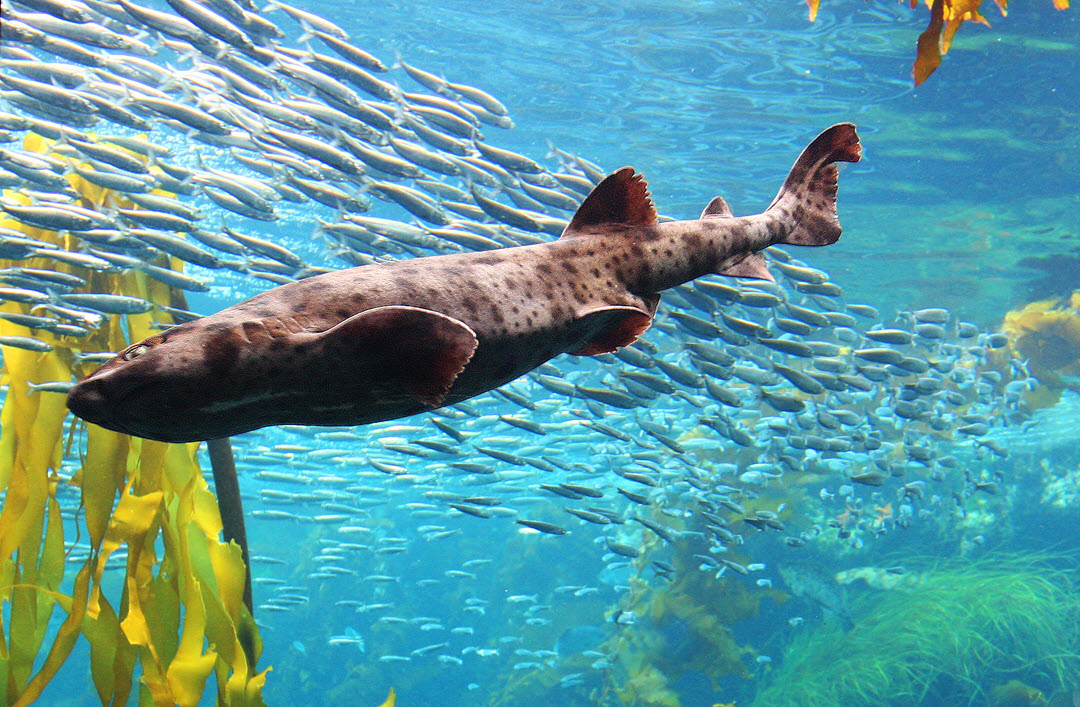
Rennett Stowe from USA, CC BY 2.0, via Wikimedia Commons

The Swell Shark: A Shark That Glows and Grows
The Swell Shark has an unusual way of protecting itself. When it feels threatened, it can bend its body into a U-shape, grab its tail with its mouth, and swallow large amounts of water. Its stomach expands, making the shark look much larger than it did before.
This ability is especially useful because Swell Sharks often rest in rocky cracks and crevices. If a predator tries to pull one out of its hiding place, the shark can swell up and wedge itself tightly between the rocks. Its larger size can also make it more difficult for a predator to swallow.
Swell Sharks have another surprising ability: they glow. Their skin can absorb blue light from the ocean and give off a green glow. This is called biofluorescence. The glow is difficult for humans to see without special equipment, but other Swell Sharks can see this glowing pattern. Scientists think it may help the sharks recognize or communicate with one another.
Why Sharks Are Important
Sharks are an important part of ocean ecosystems, and different kinds of sharks have different roles within them.
Many sharks are predators. By eating other animals, they can help shape which animals live in an area and how many there are. Some sharks also eat weak, injured, or dead animals.
Other sharks have very different roles. Whale Sharks and Basking Sharks eat tiny organisms called plankton. Sharks that live near the seafloor may eat crabs, shellfish, fish, octopuses, and other animals. Each kind of shark is connected to the other living things in its habitat.
Sharks can also help move nutrients through the ocean. When sharks eat in one place and travel to another, they carry nutrients with them. Those nutrients eventually return to the environment, where they can be used by other living things.
Scientists study sharks to learn more about ocean ecosystems. Changes in where sharks live, what they eat, or how many are found in an area can give scientists clues about changes happening in the ocean.
Sharks are not important because they all do the same thing. With hundreds of different species, sharks are connected to ocean life in many different ways.
Why Sharks Need Protection
Many shark populations around the world are decreasing. Sharks have survived enormous changes on Earth, but today many species face dangers caused by human activities.
Fishing is one of the greatest threats. Some sharks are caught on purpose for their meat, fins, and other products. Others are caught accidentally on hooks or in nets meant for other kinds of fish. This accidental capture is called bycatch.
Many sharks grow slowly, take years to become adults, and produce only a small number of young. This means that when too many sharks are caught, it can take a long time for their populations to recover.
Sharks can also be harmed when important habitats are damaged. Coral reef decline, the loss of mangroves and seagrass beds, pollution, and coastal development can change the places sharks use to find food, rest, and raise their young.
People can help protect sharks in many ways. Fishing rules can limit how many sharks are caught, and changes in fishing equipment and methods can reduce bycatch. Protecting important habitats gives sharks safer places to live and raise their young. Scientists also study and track sharks to learn which species and habitats need the most protection.

Shark tagging during a NOAA research survey. Photo: NOAA Fisheries