Basking Shark
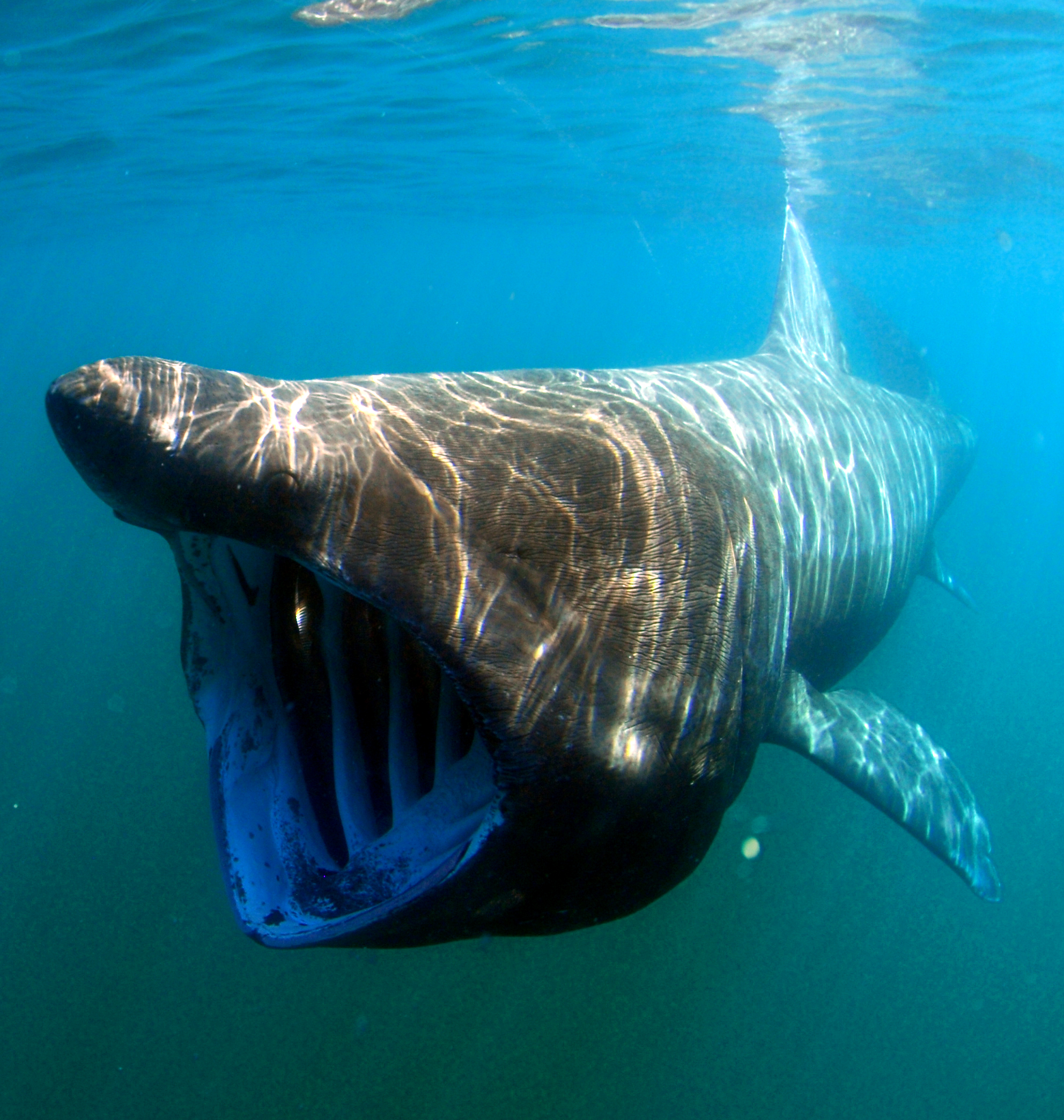
Greg Skomal / NOAA Fisheries Service, Public domain, via Wikimedia Commons

The basking shark is the second-largest fish in the world. Only the whale shark grows larger.
A feeding basking shark is an amazing sight. It swims with its enormous mouth wide open, collecting tiny animals from the water.
What Is a Basking Shark?
A basking shark is a very large shark that lives in oceans around the world. Its scientific name is Cetorhinus maximus.
Basking sharks are filter feeders. Instead of hunting large animals, they feed mostly on tiny drifting animals called zooplankton.
Adult basking sharks are often about 20 to 26 feet long. Some can grow even larger.
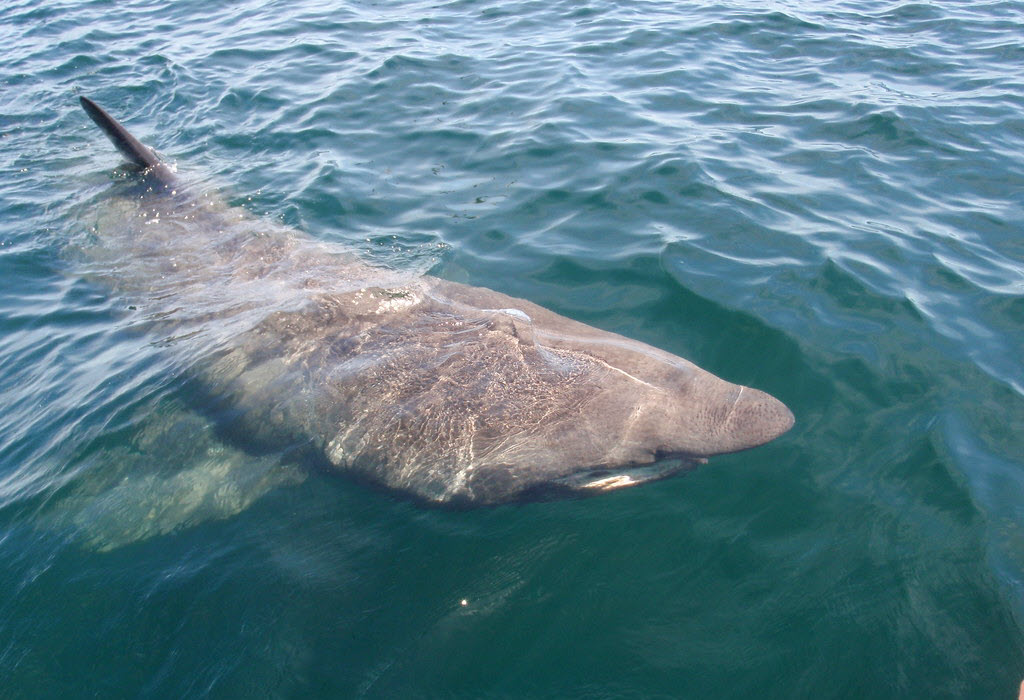
The name “basking shark” comes from the way these sharks are sometimes seen swimming slowly near the ocean’s surface. Long ago, people thought the sharks were basking in the sun.
What Do Basking Sharks Look Like?
Basking sharks have long, heavy bodies. They are usually grayish-brown, gray, or almost black on top, with a lighter underside.
Their most noticeable feature is their enormous mouth. When a basking shark feeds, it opens its mouth very wide as it swims through the water.
Basking sharks also have five very large gill openings on each side of the head. The gill openings almost circle the head.
Inside the gills are structures called gill rakers. These help the shark collect tiny food from the water.
Basking sharks have many small teeth, but they do not use them to catch large prey.
The History of Basking Sharks
Sharks have lived in Earth’s oceans for hundreds of millions of years. Basking sharks are part of this long shark history.
The basking shark belongs to the same shark order as great white sharks and mako sharks. But basking sharks have developed a very different way of feeding.
Instead of chasing large prey, basking sharks are filter feeders. Their huge mouths and special gill structures allow them to collect tiny animals from the water.
Scientists study living sharks, fossils, and DNA to learn how basking sharks and other sharks are related.
Where Do Basking Sharks Live?
Basking sharks live in cooler and mild ocean waters. They are found in parts of the Atlantic and Pacific Oceans and in other waters around the world.
They can live near coasts and far out in the open ocean.
Basking sharks often appear near the surface when large amounts of food are available. At other times, they may travel into deeper water.
These sharks can make long journeys. Some travel hundreds or thousands of miles as they move between different ocean areas.
Basking Shark Behavior
Basking sharks are usually slow, steady swimmers. They may spend hours swimming near the surface while feeding.
They are often seen alone, but several basking sharks may gather in the same area when there is plenty of food.
Basking sharks do not spend all their time near the surface. Scientists have tracked them diving into deep water and traveling across large areas of ocean.
They may move to different places as seasons change and food becomes more plentiful in other areas.
What Do Basking Sharks Eat?
Basking sharks mostly eat tiny drifting animals called zooplankton.
Zooplankton includes many tiny animals and the young stages of some larger animals. Large groups of them can be carried through the ocean by currents.
A huge basking shark can survive by eating tiny food because it filters large amounts of water as it swims.
How Do Basking Sharks Feed?
Basking sharks are filter feeders.
A feeding basking shark swims forward with its huge mouth open. Water enters the mouth and moves toward the gills.
Special gill rakers help trap tiny animals in the water. The water passes out through the gill openings, while the food is swallowed.
Unlike a whale shark, a basking shark does not actively suck water into its mouth. It depends on swimming forward to move water through its mouth and across its gills.
Reproduction and Life Cycle
Basking sharks give birth to live young called pups.
The young develop inside their mother’s body before they are born.
Scientists still have many questions about basking shark reproduction. Mating and birth are rarely seen, so much of this part of their lives remains a mystery.
It is believed that basking shark pups could be up to 5 feet long when they are born, but it hasn’t been observed.
Basking sharks grow slowly and take many years to become adults.
Basking Shark Traits & Abilities
- The basking shark is the second-largest fish in the world. Only the whale shark grows larger.
- Its mouth can look enormous. A feeding basking shark swims with its mouth wide open to collect tiny animals from the water.
- A giant shark can live on tiny food. Basking sharks feed mainly on zooplankton instead of large animals.
- They are long-distance travelers. Basking sharks can move across large areas of ocean during the year.
- They can dive deep. Although basking sharks are famous for appearing near the surface, they also spend time far below it.
- Much of their life is still a mystery. Scientists are still learning where basking sharks mate, where they give birth, and where they travel during different parts of their lives.
Why Basking Sharks Are Important
Basking sharks are part of ocean communities around the world.
As filter feeders, they eat huge numbers of tiny drifting animals. This makes them part of the flow of food and nutrients through the ocean.
Basking sharks also help scientists learn about the open ocean. Researchers can track the sharks to discover where they travel and which areas are important for feeding.
Studying basking sharks can also teach us more about how ocean animals respond to changes in seasons, water temperature, and food.
Why Basking Sharks Need Protection
For many years, people hunted basking sharks for their large fins, liver oil, meat, and other products. Their numbers dropped greatly in some areas.
Basking sharks can also become caught by accident in fishing gear. This is called bycatch.
Because basking sharks grow slowly and take many years to become adults, their populations can take a long time to recover.
Boats can also be dangerous to basking sharks when the sharks are swimming or feeding near the surface.
People can help protect basking sharks by reducing bycatch, protecting important feeding areas, preventing boat strikes, and learning more about where these giant sharks travel.
The basking shark is one of the giants of the ocean. Protecting it can help make sure future generations still have a chance to see this amazing shark swimming with its enormous mouth open.
READING LEVEL: Grades 4-5 & Above
Shark Pages
Words to Know
Bycatch — an animal caught by accident while people are fishing for something else
Filter Feeder — an animal that collects tiny food from the water
Gill Rakers — structures near the gills that help a basking shark collect tiny food from the water
Habitat — the place where an animal lives
Open Ocean — the huge area of ocean away from the coast
Plankton — tiny living things that drift in the water
Pup — a baby shark
Zooplankton — tiny animals that drift in the water and are an important food for basking sharks